Instituto de Ciencias de la Educación

El Instituto de Ciencias de la Educación (ICEd) de la Universidad de O’Higgins es un espacio de investigación multidisciplinario dedicado al ámbito de la Educación. La misión del ICEd es contribuir al mejoramiento de la Educación tanto en la Región de O’Higgins como a nivel nacional e internacional, aportando al desarrollo de la calidad de la educación y, en especial, a la solución de problemas de la realidad educativa.

Quienes trabajan en pos de esta misión son investigadores e investigadoras provenientes de áreas diversas como Pedagogía, Lingüística, Literatura, Matemática y Sociología. Los miembros del ICEd cuentan con experiencia en colaboración interdisciplinaria para el desarrollo de investigación educativa, siendo éste un sello distintivo de la investigación que se desarrolla en el Instituto.

Áreas de Investigación

Esta área concentra investigación cuyo foco es la educación de niñas y niños en etapa inicial, considerando diversos factores familiares y socioculturales. Especial relevancia tiene el enfoque de derechos para la primera infancia, el aprendizaje a través del juego, los entornos de crianza y los procesos de socialización.

Esta área tiene como foco de investigación las políticas públicas y educativas considerando tanto las distintas etapas de su ciclo (diseño, implementación y evaluación), como la institucionalidad, representaciones y apropiaciones de dichas políticas por parte de los actores en el sistema educativo. A su vez, se consideran los distintos ámbitos educativos dentro y fuera del sistema educativo formal así como la educación inicial, escolar y superior. Un objetivo central del área es la producción de conocimiento basado en la evidencia que contribuya a la calidad, a la justicia educativa y a la cohesión social.

Políticas públicas y educación

Esta área busca indagar en las prácticas, dinámicas y procesos sociales y culturales que se desarrollan en contextos educativos. Estos fenómenos son abordados con enfoque crítico,  considerando las perspectivas de diversos actores sociales: niños, niñas, jóvenes, educadores/as y docentes en formación y en ejercicio, familias y directivos, entre otros.

Esta área realiza investigación y desarrollo tecnológico relacionados con fenómenos propios de la enseñanza, el aprendizaje y la evaluación desde perspectivas emocionales, cognitivas, socioafectivas, socioculturales y creativas. Para ello se vincula con actores clave de diversas comunidades de aprendizaje y utiliza múltiples metodologías, tales como observación e intervención dentro y fuera del aula, modelización cuantitativa, estudios de casos, análisis y desarrollo de materiales didácticos, y metodologías visuales participativas, entre otras.

Esta área genera investigación y desarrollo sobre procesos y características de la formación inicial, el trabajo y el desarrollo profesional del profesorado. Su misión incluye aportar al desarrollo de las políticas y los dispositivos de formación inicial y continua. Se consideran temáticas como la contribución y el estado de la formación a los futuros profesores, conocimiento profesional y creencias, dominio afectivo, interacciones dentro y fuera del aula e identidad docente, entre otras. Esta área utiliza múltiples metodologías, tales como análisis documental, observaciones de clases, club de video, modelización estadística, investigación basada en el diseño, self-study, entre otras.

Proyectos

  • Abril 2026
AdjudicadoAgencia Nacional de Investigación y Desarrollo - ANID

Language and interculturality: An examination of mediated practices in the conceptualization and implementation of interculturality in the Spanish, Ancestral Languages, and English as a foreign language school subjects

[vc_section el_class="container mx-auto align-items-center circle--pattern" css=".vc_custom_1648956589196{padding-top: 3rem !important;}"][vc_row el_class="pb-5"][vc_column][vc_wp_custommenu nav_menu="6"][uoh_breadcrumb_component automatic_breadcrumb="true"][uoh_title_component title_dropdown="big" title_decorator="true"]{{title}}[/uoh_title_component][vc_column_text css=""]The rapid increase in immigration and the presence of different Indigenous peoples in the country have resulted in culturally diverse classrooms in Chile. Cultural differences are significant for communication (Otten & Geppert, 2009) and teaching processes (Liddicoat & Scarino, 2013). Hence, intercultural interactions correspond to embodied culture discourses (Carbaugh, 2017; Shi-xu, 2023), which entail the communication practices that take place at institutional levels (i.e., top-down) and language classrooms (i.e., bottom-up). However, some tensions have been identified in these processes, particularly because they seem to maintain cultural and linguistic hierarchies that do not necessarily promote the social mobility or acceptance of minoritized groups (Flores & Rosa, 2015; Unamuno, 2016; Zavala, 2017). Against this backdrop, discursive practices are at the core of how these raciolinguistic hierarchies are maintained, negotiated, and/or challenged by educational communities. Consequently, the main objective of this research proposal is to examine how language and interculturality are discursively conceptualized and implemented in culturally diverse Chilean schools, specifically within three language subjects: Spanish, Ancestral Languages, and English as a Foreign Language. This objective is articulated through the following research question: How are language and interculturality discursively conceptualized and implemented in culturally diverse Chilean schools across the subjects of Spanish, Ancestral Languages, and English as a Foreign Language? To address this question, the project outlines four specific objectives (SOs): SO1) To examine how interculturality is discursively constructed in educational policies and the national curriculum on language subjects (i.e., Spanish, Ancestral Languages, and English as a Foreign Language); SO2) To assess how language teachers understand and implement intercultural practices in Chile, highlighting areas of convergence and divergence; SO3) To analyze how school communities discursively construct interculturality on their schoolscapes; and SO4) To analyze how language teachers’ actions and decisions address interculturality in the language classroom. The proposed research is a mixed-methods study (Creswell & Plano, 2018). First, we will analyze a corpus of institutional pedagogical discourses to examine how interculturality is discursively constructed in educational policies and the national curriculum (SO1). To this end, the data will be examined from a Corpus-Assisted Approach to Discourse Studies (CADS) (Partington et al., 2013) following the guidelines proposed by Jaworska and Kinloch (2018, p. 116) for a thorough and systematic examination of multiple datasets in CADS. The first quantitative stage considers the analysis of frequency, concordance lines, collocations, and keywords. The second qualitative stage is informed by Bacchi's (2012) model, What's the Problem Represented to be? (or WPR) and the Discourse-Historical Approach (Reisigl, 2017; Reisigl & Wodak, 2016). Second, we will conduct a questionnaire to identify how language teachers understand interculturality and intercultural practices in their classrooms (SO2). The sampling considers a disproportionate stratification to enable similar sample sizes for Spanish and EFL teachers, and Traditional Educators, ensuring the representation of Traditional Educators, who are the smallest population (CEM Mineduc, 2024). Third, we will analyze how school communities discursively construct interculturality on their school grounds (SO3) through the examination of schoolscapes (Gorter & Cenoz, 2015). To this end, three schools across three regions will be selected (i.e., Tarapacá, Metropolitan, and Araucanía) to ensure geographic representativeness. The data will be analyzed in light of Ledin and Machin’s multimodality framework (2017, 2018, 2019) as it incorporates the materiality of the semiotic signs, the ideologies and beliefs behind the creation of multimodal texts, and the recontextualization of social actors and practices (van Leeuwen, 2008). Finally, we analyze the actions and decisions language teachers take to address interculturality in the language classroom (SO4) through classroom observation (minimum 48 pedagogical hours in total; four hours per language subject) in the same schools. These observations will be analyzed using the synopsis technique (Dolz et al., 2018; Schneuwly & Dolz, 2009), which allows us to both hierarchize central pedagogical sequences and examine teachers' actions and students' reactions in detail. In turn, it enables data reduction and serves as heuristic support for analysis. Expected results seek to enlighten how educators co-create language and interculturality in culturally diverse schools. It examines how these social actors recontextualize and mediate top-down policies to their daily realities, thus illuminating the negotiation and resemiotization of hegemonic understandings of interculturality in line with the needs of their own communities (bottom-up practices).[/vc_column_text][/vc_column][/vc_row][/vc_section][vc_section css=".vc_custom_1649209804184{background-color: #f6faff !important;}" el_class="p-md-0 pt-md-5"][vc_row el_class="container mx-auto align-items-center p-md-0 pt-5"][vc_column el_class="p-0"][/vc_column][/vc_row][/vc_section][vc_section css=".vc_custom_1649210787516{background-color: #f6faff !important;}" el_class="p-md-0 pt-md-5 pb-md-5"][vc_row el_class="container mx-auto align-items-center"][vc_column][/vc_column][/vc_row][/vc_section]
Investigador/a Responsable
  • Abril 2026
AdjudicadoAgencia Nacional de Investigación y Desarrollo - ANID

Language and interculturality: An examination of mediated practices in the conceptualization and implementation of interculturality in the Spanish, Ancestral Languages, and English as a foreign language school subjects

[vc_section el_class="container mx-auto align-items-center circle--pattern" css=".vc_custom_1648956589196{padding-top: 3rem !important;}"][vc_row el_class="pb-5"][vc_column][vc_wp_custommenu nav_menu="6"][uoh_breadcrumb_component automatic_breadcrumb="true"][uoh_title_component title_dropdown="big" title_decorator="true"]{{title}}[/uoh_title_component][vc_column_text css=""]The rapid increase in immigration and the presence of different Indigenous peoples in the country have resulted in culturally diverse classrooms in Chile. Cultural differences are significant for communication (Otten & Geppert, 2009) and teaching processes (Liddicoat & Scarino, 2013). Hence, intercultural interactions correspond to embodied culture discourses (Carbaugh, 2017; Shi-xu, 2023), which entail the communication practices that take place at institutional levels (i.e., top-down) and language classrooms (i.e., bottom-up). However, some tensions have been identified in these processes, particularly because they seem to maintain cultural and linguistic hierarchies that do not necessarily promote the social mobility or acceptance of minoritized groups (Flores & Rosa, 2015; Unamuno, 2016; Zavala, 2017). Against this backdrop, discursive practices are at the core of how these raciolinguistic hierarchies are maintained, negotiated, and/or challenged by educational communities. Consequently, the main objective of this research proposal is to examine how language and interculturality are discursively conceptualized and implemented in culturally diverse Chilean schools, specifically within three language subjects: Spanish, Ancestral Languages, and English as a Foreign Language. This objective is articulated through the following research question: How are language and interculturality discursively conceptualized and implemented in culturally diverse Chilean schools across the subjects of Spanish, Ancestral Languages, and English as a Foreign Language? To address this question, the project outlines four specific objectives (SOs): SO1) To examine how interculturality is discursively constructed in educational policies and the national curriculum on language subjects (i.e., Spanish, Ancestral Languages, and English as a Foreign Language); SO2) To assess how language teachers understand and implement intercultural practices in Chile, highlighting areas of convergence and divergence; SO3) To analyze how school communities discursively construct interculturality on their schoolscapes; and SO4) To analyze how language teachers’ actions and decisions address interculturality in the language classroom. The proposed research is a mixed-methods study (Creswell & Plano, 2018). First, we will analyze a corpus of institutional pedagogical discourses to examine how interculturality is discursively constructed in educational policies and the national curriculum (SO1). To this end, the data will be examined from a Corpus-Assisted Approach to Discourse Studies (CADS) (Partington et al., 2013) following the guidelines proposed by Jaworska and Kinloch (2018, p. 116) for a thorough and systematic examination of multiple datasets in CADS. The first quantitative stage considers the analysis of frequency, concordance lines, collocations, and keywords. The second qualitative stage is informed by Bacchi's (2012) model, What's the Problem Represented to be? (or WPR) and the Discourse-Historical Approach (Reisigl, 2017; Reisigl & Wodak, 2016). Second, we will conduct a questionnaire to identify how language teachers understand interculturality and intercultural practices in their classrooms (SO2). The sampling considers a disproportionate stratification to enable similar sample sizes for Spanish and EFL teachers, and Traditional Educators, ensuring the representation of Traditional Educators, who are the smallest population (CEM Mineduc, 2024). Third, we will analyze how school communities discursively construct interculturality on their school grounds (SO3) through the examination of schoolscapes (Gorter & Cenoz, 2015). To this end, three schools across three regions will be selected (i.e., Tarapacá, Metropolitan, and Araucanía) to ensure geographic representativeness. The data will be analyzed in light of Ledin and Machin’s multimodality framework (2017, 2018, 2019) as it incorporates the materiality of the semiotic signs, the ideologies and beliefs behind the creation of multimodal texts, and the recontextualization of social actors and practices (van Leeuwen, 2008). Finally, we analyze the actions and decisions language teachers take to address interculturality in the language classroom (SO4) through classroom observation (minimum 48 pedagogical hours in total; four hours per language subject) in the same schools. These observations will be analyzed using the synopsis technique (Dolz et al., 2018; Schneuwly & Dolz, 2009), which allows us to both hierarchize central pedagogical sequences and examine teachers' actions and students' reactions in detail. In turn, it enables data reduction and serves as heuristic support for analysis. Expected results seek to enlighten how educators co-create language and interculturality in culturally diverse schools. It examines how these social actors recontextualize and mediate top-down policies to their daily realities, thus illuminating the negotiation and resemiotization of hegemonic understandings of interculturality in line with the needs of their own communities (bottom-up practices).[/vc_column_text][/vc_column][/vc_row][/vc_section][vc_section css=".vc_custom_1649209804184{background-color: #f6faff !important;}" el_class="p-md-0 pt-md-5"][vc_row el_class="container mx-auto align-items-center p-md-0 pt-5"][vc_column el_class="p-0"][/vc_column][/vc_row][/vc_section][vc_section css=".vc_custom_1649210787516{background-color: #f6faff !important;}" el_class="p-md-0 pt-md-5 pb-md-5"][vc_row el_class="container mx-auto align-items-center"][vc_column][/vc_column][/vc_row][/vc_section]
Investigador/a Responsable
  • Abril 2026
AdjudicadoAgencia Nacional de Investigación y Desarrollo - ANID

1260236_Language and interculturality: An examination of mediated practices in the conceptualization and implementation of interculturality in the Spanish, Ancestral Languages, and English as a foreign language school subjects

[vc_section el_class="container mx-auto align-items-center circle--pattern" css=".vc_custom_1648956589196{padding-top: 3rem !important;}"][vc_row el_class="pb-5"][vc_column][vc_wp_custommenu nav_menu="6"][uoh_breadcrumb_component automatic_breadcrumb="true"][uoh_title_component title_dropdown="big" title_decorator="true"]{{title}}[/uoh_title_component][vc_column_text css=""]The rapid increase in immigration and the presence of different Indigenous peoples in the country have resulted in culturally diverse classrooms in Chile. Cultural differences are significant for communication (Otten & Geppert, 2009) and teaching processes (Liddicoat & Scarino, 2013). Hence, intercultural interactions correspond to embodied culture discourses (Carbaugh, 2017; Shi-xu, 2023), which entail the communication practices that take place at institutional levels (i.e., top-down) and language classrooms (i.e., bottom-up). However, some tensions have been identified in these processes, particularly because they seem to maintain cultural and linguistic hierarchies that do not necessarily promote the social mobility or acceptance of minoritized groups (Flores & Rosa, 2015; Unamuno, 2016; Zavala, 2017). Against this backdrop, discursive practices are at the core of how these raciolinguistic hierarchies are maintained, negotiated, and/or challenged by educational communities. Consequently, the main objective of this research proposal is to examine how language and interculturality are discursively conceptualized and implemented in culturally diverse Chilean schools, specifically within three language subjects: Spanish, Ancestral Languages, and English as a Foreign Language. This objective is articulated through the following research question: How are language and interculturality discursively conceptualized and implemented in culturally diverse Chilean schools across the subjects of Spanish, Ancestral Languages, and English as a Foreign Language? To address this question, the project outlines four specific objectives (SOs): SO1) To examine how interculturality is discursively constructed in educational policies and the national curriculum on language subjects (i.e., Spanish, Ancestral Languages, and English as a Foreign Language); SO2) To assess how language teachers understand and implement intercultural practices in Chile, highlighting areas of convergence and divergence; SO3) To analyze how school communities discursively construct interculturality on their schoolscapes; and SO4) To analyze how language teachers’ actions and decisions address interculturality in the language classroom. The proposed research is a mixed-methods study (Creswell & Plano, 2018). First, we will analyze a corpus of institutional pedagogical discourses to examine how interculturality is discursively constructed in educational policies and the national curriculum (SO1). To this end, the data will be examined from a Corpus-Assisted Approach to Discourse Studies (CADS) (Partington et al., 2013) following the guidelines proposed by Jaworska and Kinloch (2018, p. 116) for a thorough and systematic examination of multiple datasets in CADS. The first quantitative stage considers the analysis of frequency, concordance lines, collocations, and keywords. The second qualitative stage is informed by Bacchi's (2012) model, What's the Problem Represented to be? (or WPR) and the Discourse-Historical Approach (Reisigl, 2017; Reisigl & Wodak, 2016). Second, we will conduct a questionnaire to identify how language teachers understand interculturality and intercultural practices in their classrooms (SO2). The sampling considers a disproportionate stratification to enable similar sample sizes for Spanish and EFL teachers, and Traditional Educators, ensuring the representation of Traditional Educators, who are the smallest population (CEM Mineduc, 2024). Third, we will analyze how school communities discursively construct interculturality on their school grounds (SO3) through the examination of schoolscapes (Gorter & Cenoz, 2015). To this end, three schools across three regions will be selected (i.e., Tarapacá, Metropolitan, and Araucanía) to ensure geographic representativeness. The data will be analyzed in light of Ledin and Machin’s multimodality framework (2017, 2018, 2019) as it incorporates the materiality of the semiotic signs, the ideologies and beliefs behind the creation of multimodal texts, and the recontextualization of social actors and practices (van Leeuwen, 2008). Finally, we analyze the actions and decisions language teachers take to address interculturality in the language classroom (SO4) through classroom observation (minimum 48 pedagogical hours in total; four hours per language subject) in the same schools. These observations will be analyzed using the synopsis technique (Dolz et al., 2018; Schneuwly & Dolz, 2009), which allows us to both hierarchize central pedagogical sequences and examine teachers' actions and students' reactions in detail. In turn, it enables data reduction and serves as heuristic support for analysis. Expected results seek to enlighten how educators co-create language and interculturality in culturally diverse schools. It examines how these social actors recontextualize and mediate top-down policies to their daily realities, thus illuminating the negotiation and resemiotization of hegemonic understandings of interculturality in line with the needs of their own communities (bottom-up practices).[/vc_column_text][/vc_column][/vc_row][/vc_section][vc_section css=".vc_custom_1649209804184{background-color: #f6faff !important;}" el_class="p-md-0 pt-md-5"][vc_row el_class="container mx-auto align-items-center p-md-0 pt-5"][vc_column el_class="p-0"][/vc_column][/vc_row][/vc_section][vc_section css=".vc_custom_1649210787516{background-color: #f6faff !important;}" el_class="p-md-0 pt-md-5 pb-md-5"][vc_row el_class="container mx-auto align-items-center"][vc_column][/vc_column][/vc_row][/vc_section]
Investigador/a Responsable
  • Abril 2026
AdjudicadoAgencia Nacional de Investigación y Desarrollo - ANID

1260236_Language and interculturality: An examination of mediated practices in the conceptualization and implementation of interculturality in the Spanish, Ancestral Languages, and English as a foreign language school subjects

[vc_section el_class="container mx-auto align-items-center circle--pattern" css=".vc_custom_1648956589196{padding-top: 3rem !important;}"][vc_row el_class="pb-5"][vc_column][vc_wp_custommenu nav_menu="6"][uoh_breadcrumb_component automatic_breadcrumb="true"][uoh_title_component title_dropdown="big" title_decorator="true"]{{title}}[/uoh_title_component][vc_column_text css=""]The rapid increase in immigration and the presence of different Indigenous peoples in the country have resulted in culturally diverse classrooms in Chile. Cultural differences are significant for communication (Otten & Geppert, 2009) and teaching processes (Liddicoat & Scarino, 2013). Hence, intercultural interactions correspond to embodied culture discourses (Carbaugh, 2017; Shi-xu, 2023), which entail the communication practices that take place at institutional levels (i.e., top-down) and language classrooms (i.e., bottom-up). However, some tensions have been identified in these processes, particularly because they seem to maintain cultural and linguistic hierarchies that do not necessarily promote the social mobility or acceptance of minoritized groups (Flores & Rosa, 2015; Unamuno, 2016; Zavala, 2017). Against this backdrop, discursive practices are at the core of how these raciolinguistic hierarchies are maintained, negotiated, and/or challenged by educational communities. Consequently, the main objective of this research proposal is to examine how language and interculturality are discursively conceptualized and implemented in culturally diverse Chilean schools, specifically within three language subjects: Spanish, Ancestral Languages, and English as a Foreign Language. This objective is articulated through the following research question: How are language and interculturality discursively conceptualized and implemented in culturally diverse Chilean schools across the subjects of Spanish, Ancestral Languages, and English as a Foreign Language? To address this question, the project outlines four specific objectives (SOs): SO1) To examine how interculturality is discursively constructed in educational policies and the national curriculum on language subjects (i.e., Spanish, Ancestral Languages, and English as a Foreign Language); SO2) To assess how language teachers understand and implement intercultural practices in Chile, highlighting areas of convergence and divergence; SO3) To analyze how school communities discursively construct interculturality on their schoolscapes; and SO4) To analyze how language teachers’ actions and decisions address interculturality in the language classroom. The proposed research is a mixed-methods study (Creswell & Plano, 2018). First, we will analyze a corpus of institutional pedagogical discourses to examine how interculturality is discursively constructed in educational policies and the national curriculum (SO1). To this end, the data will be examined from a Corpus-Assisted Approach to Discourse Studies (CADS) (Partington et al., 2013) following the guidelines proposed by Jaworska and Kinloch (2018, p. 116) for a thorough and systematic examination of multiple datasets in CADS. The first quantitative stage considers the analysis of frequency, concordance lines, collocations, and keywords. The second qualitative stage is informed by Bacchi's (2012) model, What's the Problem Represented to be? (or WPR) and the Discourse-Historical Approach (Reisigl, 2017; Reisigl & Wodak, 2016). Second, we will conduct a questionnaire to identify how language teachers understand interculturality and intercultural practices in their classrooms (SO2). The sampling considers a disproportionate stratification to enable similar sample sizes for Spanish and EFL teachers, and Traditional Educators, ensuring the representation of Traditional Educators, who are the smallest population (CEM Mineduc, 2024). Third, we will analyze how school communities discursively construct interculturality on their school grounds (SO3) through the examination of schoolscapes (Gorter & Cenoz, 2015). To this end, three schools across three regions will be selected (i.e., Tarapacá, Metropolitan, and Araucanía) to ensure geographic representativeness. The data will be analyzed in light of Ledin and Machin’s multimodality framework (2017, 2018, 2019) as it incorporates the materiality of the semiotic signs, the ideologies and beliefs behind the creation of multimodal texts, and the recontextualization of social actors and practices (van Leeuwen, 2008). Finally, we analyze the actions and decisions language teachers take to address interculturality in the language classroom (SO4) through classroom observation (minimum 48 pedagogical hours in total; four hours per language subject) in the same schools. These observations will be analyzed using the synopsis technique (Dolz et al., 2018; Schneuwly & Dolz, 2009), which allows us to both hierarchize central pedagogical sequences and examine teachers' actions and students' reactions in detail. In turn, it enables data reduction and serves as heuristic support for analysis. Expected results seek to enlighten how educators co-create language and interculturality in culturally diverse schools. It examines how these social actors recontextualize and mediate top-down policies to their daily realities, thus illuminating the negotiation and resemiotization of hegemonic understandings of interculturality in line with the needs of their own communities (bottom-up practices).[/vc_column_text][/vc_column][/vc_row][/vc_section][vc_section css=".vc_custom_1649209804184{background-color: #f6faff !important;}" el_class="p-md-0 pt-md-5"][vc_row el_class="container mx-auto align-items-center p-md-0 pt-5"][vc_column el_class="p-0"][/vc_column][/vc_row][/vc_section][vc_section css=".vc_custom_1649210787516{background-color: #f6faff !important;}" el_class="p-md-0 pt-md-5 pb-md-5"][vc_row el_class="container mx-auto align-items-center"][vc_column][/vc_column][/vc_row][/vc_section]
Investigador/a Responsable
  • Octubre 2025
AdjudicadoAgencia Nacional de Investigación y Desarrollo - ANID

Conocimientos 2030 Etapa 2

[vc_section el_class="container mx-auto align-items-center circle--pattern" css=".vc_custom_1648956589196{padding-top: 3rem !important;}"][vc_row el_class="pb-5"][vc_column][vc_wp_custommenu nav_menu="6"][uoh_breadcrumb_component automatic_breadcrumb="true"][uoh_title_component title_dropdown="big" title_decorator="true"]{{title}}[/uoh_title_component][vc_column_text css=""]Las regiones de O’Higgins y el Maule tienen una historia común, características y un desarrollo social similar. Ambas regiones, ubicadas en el Valle Central chileno, comparten elementos culturales, símbolos, historias y personajes que, su conjunto, reflejan la identidad chilena. La historia de estos territorios incluye conocimiento diverso sobre nuestro pasado reciente y lejano en forma de relatos, pinturas, medios de transporte, mecanismos de comercialización, oficios y manifestaciones culturales, que son comunes a ellas. Debido a las importantes similitudes territoriales, humanas y productivas que poseen las regiones de O’Higgins y el Maule, es que sus universidades estatales proponen la institucionalización de un consorcio interuniversitario para fortalecer las Humanidades, Artes y Ciencias Sociales (HACS) en el Valle Central de Chile, transformando procesos académicos y generando instancias de participación activa con la comunidad territorial. Este consorcio interuniversitario entre la Universidad de Talca y la Universidad de O’Higgins se denomina “Consorcio del Valle Central”, en su afán por ver representadas las realidades y conocimientos territoriales de la costa, del centro y de la cordillera de la VII y VI Región. La creación del Consorcio Valle Central está sustentada en el Plan Estratégico para el Fortalecimiento de las HACS, construido como producto de la etapa 1 de Conocimientos2030. Este, a su vez, está basado en un diagnóstico exhaustivo que incluyó análisis interno, territorial (de cada provincia del Valle Central) y benchmarking con instituciones de referencia. Como resultado, se identificaron una serie de dificultades en nuestras unidades que son relevantes para la transformación de los procesos académicos. Entre ellas: • Rigidez de los programas formativos y uso de metodologías encasilladas en las disciplinas, que dificultan el análisis de la realidad social y pública. • Limitada incorporación de las complejidades del territorio a la formación, afectando negativamente a la relación bidireccional y al desarrollo de iniciativas innovadoras. • Iniciativas académicas se acotan a fondos públicos y muy competitivos, siendo excepciones aquellos del sector privado o de interés público. • Desarrollo incipiente de la inter y transdisciplina (en adelante, ITD), e insuficiente transferencia de conocimientos y tecnologías. • Procesos de desarrollo académico enfatizan el crecimiento individual, poco claros para académicos.as del área de las artes o con enfoque en ITD. Existen diferencias de género favorables a hombres en jerarquización, publicaciones y proyectos obtenidos. • Gestión académica desarticulada entre las unidades, observándose repetición de procesos de gestión entre las unidades participantes. • Los miembros de la comunidad indican percibir lo que denominan “extractivismo académico”, una práctica académica en donde el vínculo con las comunidades termina con la recogida de datos. Además, el conocimiento universitario no es de fácil acceso. El análisis y discusión de las consecuencias de dichas limitaciones derivaron en el planteamiento de propuestas, que buscan generar transformación en nuestros procesos académicos, fomentando la flexibilidad curricular, la ITD, la generación de conocimientos con atención al territorio y la promoción de la equidad entre personas y la participación femenina en roles de liderazgo. Algunas de ellas son: 1. Conformar un consorcio interuniversitario en HACS de las Universidades Públicas de las Regiones VI y VII, cuya gobernanza colaborativa promueva transformaciones en los procesos formativos, de investigación y creación, vinculación con el medio (VcM) y gestión en ambas universidades. Posee sellos específicos en fomento del patrimonio, de salud mental y bienestar, equidad de género y derechos humanos y promueve la discusión y desarrollo de políticas públicas regionales y nacionales. 2. Rediseñar carreras de pregrado HACS en cada universidad, flexibles, incorporando metodologías ITD y problemáticas del Valle Central, formando así competencias de transferencia de conocimientos para la innovación social y la política pública y cultural. 3. Formular e implementar programas de estudio interuniversitarios, con un modelo equivalente a los pregrados rediseñados, con foco en formación continua y postgrado. 4. Construir micro-certificaciones al alero de los planes de estudio de pregrado, promoviendo la flexibilidad curricular y la innovación para las profesiones del futuro. 5. Crear una comisión paritaria de género, ocupada de generación consorciada de propuestas y seguimiento de datos para el logro de la equidad de género, abierto a la comunidad universitaria y del Valle Central. 6. Constituir equipos de investigación/creación con foco ITD e interuniversitario, incorporando problemáticas del Valle Central y promoviendo la discusión y generación de políticas públicas en las áreas de desarrollo. 7. Habilitar un espacio físico independiente a las facultades, donde las personas que se adscriben desarrollen ITD de manera abierta y colaborativa con otros académicos, estudiantes y/o miembros de la sociedad civil. 8. Creación de una gobernanza que involucre a la comunidad académica, estudiantil y de la comuna, para la ejecución y asesoría de las acciones programadas, enfatizando los sellos del proyecto y acercando las propuestas al desarrollo y logro de políticas públicas. 9. Presentar a las autoridades superiores universitarias un perfil de desarrollo de académicas.os HACS con énfasis en indicadores para la jerarquización, homologando con ello las trayectorias académicas en todas las disciplinas universitarias (especialmente artes) incorporando enfoque ITD. 10.Promover la democratización del conocimiento a partir del uso de herramientas de ciencia abierta, incorporándolas en el desarrollo de la formación, y a través del uso de repositorios para el almacenamiento de información de todas las disciplinas HACS. Consideramos que los conocimientos de nuestros territorios son una oportunidad para el mejoramiento de nuestros planes de formación, así como para proponer otros nuevos que articulen las capacidades de los planteles universitarios. Esta propuesta plantea que es prioritaria la capacitación docente en estrategias ITD, permitiendo con ello el abordaje de problemas relevantes para el territorio desde una perspectiva amplia. Todo lo anterior, permitirá formar profesionales capacitados para desarrollarse en entornos complejos. En el campo de la investigación la propuesta considera la creación de grupos de trabajo ITD en temáticas específicas de desarrollo para las HACS, enfatizando los temas de Patrimonio, Salud Mental y Bienestar, y Liderazgo de Mujeres. Estos grupos deberán promover el liderazgo de mujeres en sus propuestas, relacionarse con su espacio de interés e involucrar a los actores sociales de manera activa y recíproca. El objetivo es crear, en 10 años, grupos de referencia nacional en investigación básica, aplicada y artística con base en ITD permitiendo, así, sustentabilidad de las estrategias de desarrollo más allá del periodo de financiación. Construir un camino de desarrollo académico para las HACS, basado en ITD y con especial atención a las artes permitirá mayor equidad disciplinar en este proceso y orientación para el desarrollo, aumentando así el valor de los conocimientos científicos, creativos y tradicionales para la institución. Pretendemos construir una estrategia de VcM sustentada en conocimiento científico y creativo, promoviendo con ello la innovación, la transferencia y el escalamiento de productos, en donde participa de manera activa la comunidad no académica de nuestros territorios. Es nuestro interés democratizar el conocimiento y abrirlo a nuestras comunidades a través de mecanismos de ciencia abierta y, por último, una gobernanza eficiente para articular nuestros objetivos y metas, desarrollando herramientas de discusión colaborativa, seguimiento y evaluación de impacto para la mejora continua. El horizonte de desarrollo de nuestras iniciativas es de diez años, comprometiendo al sexto año de ejecución una serie de acciones que involucran, en ambas regiones, un acercamiento de cada institución a su espacio de influencia y colaboración entre ellas. Así mismo, esperamos constituir un espacio consorciado que promueve una formación profesional sensible a las necesidades del entorno y cuyos estudiantes poseen competencias para atenderlas en colaboración con sus habitantes; que capacita a académicos y profesionales en mecanismos de promoción de la ITD; que participa en la discusión y generación de políticas públicas; que desarrolla conocimiento ITD a través de grupos cuya investigación se aplica a temas específicos, siendo referentes a nivel nacional; que se relaciona con el entorno de manera cooperativa y bidireccional, cuyos conocimientos son la base de la innovación y la transferencia. Y, por último, un espacio que promueve la equidad de género, la participación de mujeres en espacios de liderazgo y la participación social de nuestros territorios. Finalmente, podremos configurarnos como un consorcio universitario con gran presencia en sus regiones y que desarrolle un trabajo virtuoso con diferentes actores del mundo universitario y de la sociedad civil, quienes asesorarán nuestro trabajo de manera que atiendan a políticas públicas y necesidades de los territorios.[/vc_column_text][/vc_column][/vc_row][/vc_section][vc_section css=".vc_custom_1649209804184{background-color: #f6faff !important;}" el_class="p-md-0 pt-md-5"][vc_row el_class="container mx-auto align-items-center p-md-0 pt-5"][vc_column el_class="p-0"][/vc_column][/vc_row][/vc_section][vc_section css=".vc_custom_1649210787516{background-color: #f6faff !important;}" el_class="p-md-0 pt-md-5 pb-md-5"][vc_row el_class="container mx-auto align-items-center"][vc_column][/vc_column][/vc_row][/vc_section]
Co-Investigador/a
  • Octubre 2025 - Septiembre 2026
AdjudicadoUniversidad de O'Higgins

Congreso Pedagogía y Literatura: imaginarios del paisaje y la identidad.

[vc_section el_class="container mx-auto align-items-center circle--pattern" css=".vc_custom_1648956589196{padding-top: 3rem !important;}"][vc_row el_class="pb-5"][vc_column][vc_wp_custommenu nav_menu="6"][uoh_breadcrumb_component automatic_breadcrumb="true"][uoh_title_component title_dropdown="big" title_decorator="true"]{{title}}[/uoh_title_component][vc_column_text css=""]Congreso nacional con participación de Universidades de Santiago, Talca, Temuco, Curicó.[/vc_column_text][/vc_column][/vc_row][/vc_section][vc_section css=".vc_custom_1649209804184{background-color: #f6faff !important;}" el_class="p-md-0 pt-md-5"][vc_row el_class="container mx-auto align-items-center p-md-0 pt-5"][vc_column el_class="p-0"][/vc_column][/vc_row][/vc_section][vc_section css=".vc_custom_1649210787516{background-color: #f6faff !important;}" el_class="p-md-0 pt-md-5 pb-md-5"][vc_row el_class="container mx-auto align-items-center"][vc_column][/vc_column][/vc_row][/vc_section]
Investigador/a Responsable

Publicaciones

  • REVISTA Doxa. Comunicación
  • 2026

Seguridad, Orden y Control: Análisis del tratamiento informativo de migración en los medios digitales durante las campañas presidenciales 2021 en Chile


• Anna Ivanova • Lucero Burón

http://dx.doi.org/10.31921/e5x5dy92

  • REVISTA Doxa. Comunicación
  • 2026

Seguridad, Orden y Control: Análisis del tratamiento informativo de migración en los medios digitales durante las campañas presidenciales 2021 en Chile


• Anna Ivanova • Lucero Burón

http://dx.doi.org/10.31921/e5x5dy92

  • REVISTA Uno. Revista de didáctica de las matemáticas
  • 2026

El desarrollo de la justificación al interactuar con el signo igual: Una aproximación al pensamiento algebraico en primaria


• Marianela Alejandra Coahila López • Eder Antonio Pinto Marín

http://dx.doi.org/https://www.grao.com/revistas/pensamiento-computacional-en-educacion-matematica-80840?contenido=505742

  • REVISTA Journal of Ethnic and Migration Studies
  • 2026

Latin American and Caribbean migrant families in northern Chile: normative narratives, colonial distinctions and racialized parenting cultures


• Andrea Monserratt Cortés Saavedra

http://dx.doi.org/10.1080/1369183X.2025.2609039

  • REVISTA Anales de Literatura Chilena
  • 2025

Relatos de pueblos originarios versionados para infancias y adolescencias: un estudio bibliográfico


• Troncoso Araos • Ximena • Isabel Ibaceta • Valenzuela Rettig • Pilar

http://dx.doi.org/10.7764/ANALESLITCHI.43.08

  • REVISTA Revista Brasileira de Educação
  • 2025

Educación artística en ruralidad: análisis de experiencias pedagógicas en escuelas básicas de O’Higgins, antes y durante la pandemia por Covid-19


• José Israel Mela Contreras • Catalina Montenegro • Valeria Carvallo

http://dx.doi.org/10.1590/S1413-24782025300040

Noticias

Lunes 19, Enero

Más diálogo y prevención para consolidar un entorno de confianza

La visita académica permitió vincular los contenidos del curso Modelo de Desarrollo Regional con iniciativas reales de innovación, sostenibilidad y articulación público-privada impulsadas a nivel nacional.

Saber más
Martes 13, Enero

Académica Gabriela Gómez asume la dirección del Instituto de Ciencias de la Educación

La académica quien fuera electa en diciembre de 2025 espera fortalecer el trabajo colaborativo, la visibilidad académica y la proyección internacional del instituto.

Saber más
Martes 13, Enero

UOH inició Proceso de Autoevaluación Institucional

La ceremonia marca el comienzo de un trabajo estratégico, participativo y de reflexión, orientado a fortalecer el proyecto educativo de la casa de estudios regional.

Saber más

Agenda

Sep
02
[I Congreso] Literatura, Artes y Educación: Narrativas y Paisajes
Ene
28
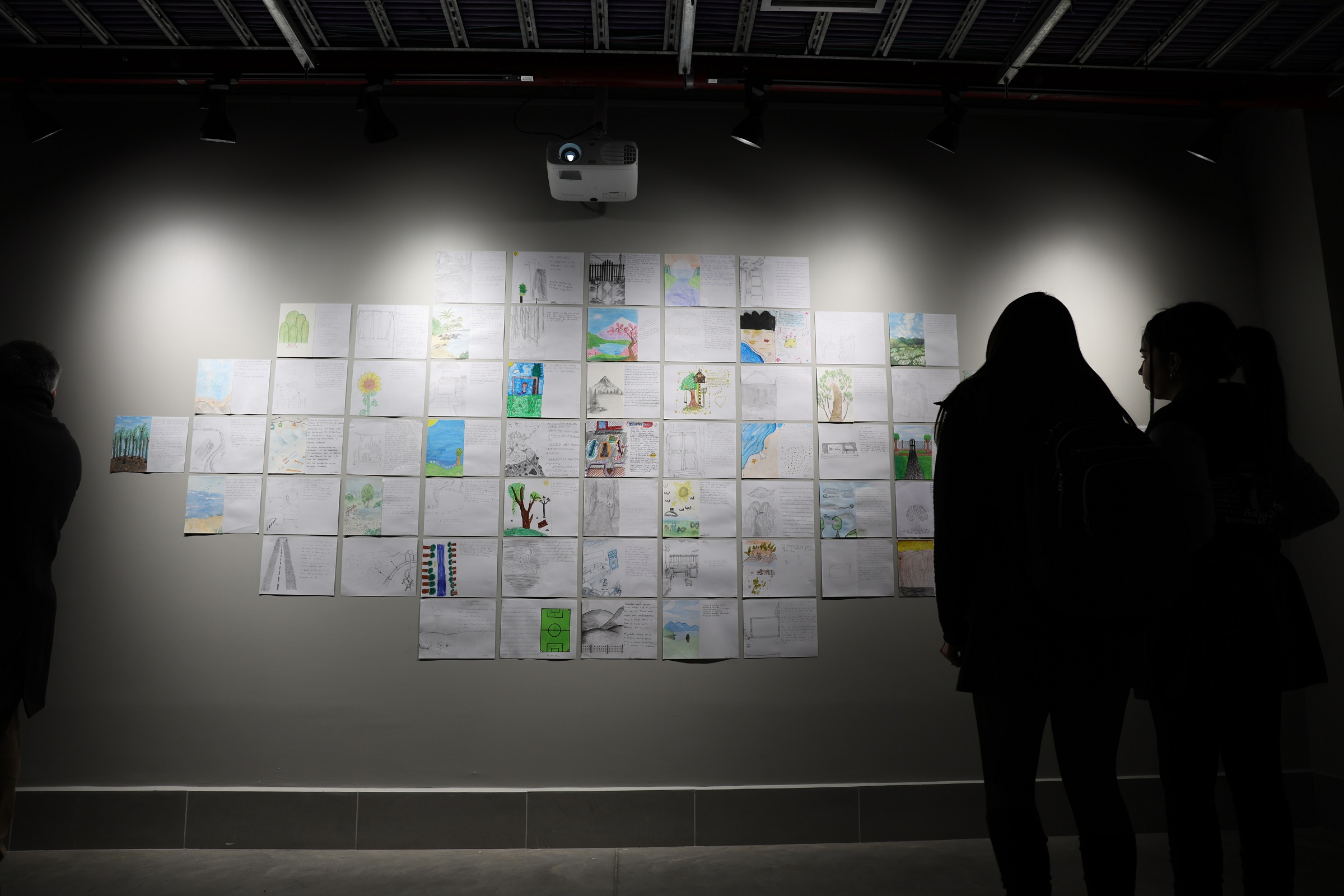
[Muestra fotográfica] Lo que cuentan las calles

[Muestra fotográfica] Lo que cuentan las calles

  • 09:00
  • Hall edificio A, Campus Rancagua
Ene
15
[Seminario] Justice, Democracy and Education

[Seminario] Justice, Democracy and Education

  • 12:00
  • Campus Rancagua
Dic
15
[Conferencia] 1ª Jornada Nacional de Educación Estadística de Chile (JNEDES 1)

[Conferencia] 1ª Jornada Nacional de Educación Estadística de Chile (JNEDES 1)

  • 10:00
  • Pontifica Universidad Católica de Valparaíso. Casa Central. Avenida Brasil, 2950, Valparaíso
Dic
12
[Inauguración exposición] Lo que cuentan las calles

[Inauguración exposición] Lo que cuentan las calles

  • 11:00
  • Hall edificio A, Campus Rancagua

Recursos

Descarga Documentos, Videos y Material disponible del instituto para uso público

Contacto

Instituto de Ciencias de la Educación