El Instituto de Ciencias Sociales, ICSo, está conformado por un equipo de investigadores e investigadoras de diversas disciplinas, que buscan analizar las problemáticas asociadas a nuestra vida en común. Estas se configuran a partir de interacciones sociales que se producen en distintos niveles -individual, colectivo, institucional- y están profundamente influenciadas por el entorno en el que se desarrollan estas interacciones. El Instituto aspira a desarrollar enfoques interdisciplinarios que den cuenta de estas complejidades, buscando contribuir a las discusiones de interés público a nivel regional, nacional e internacional en base a la evidencia científica.
Instituto de Ciencias Sociales
En el instituto de Ciencias Sociales llevamos a cabo investigación interdisciplinar de alto nivel orientada a abordar los desafìos sociales del siglo XXI, aportar al desarrollo de políticas públicas basadas en la evidencia así como también participar en la discusión de asuntos de interés público desde una perspectiva amplia involucrando aportes provenientes de disciplinas diversas como son la administración pública, el derecho, criminología, economía, sociología y la psicología

Dr. Patricio Saavedra
Director del Instituto de Ciencias SocialesNuestro Equipo


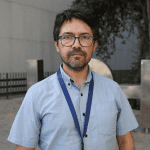





Equipo Administrativo
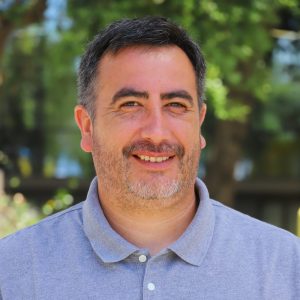
Emerson MirandaCoordinador ejecutivo
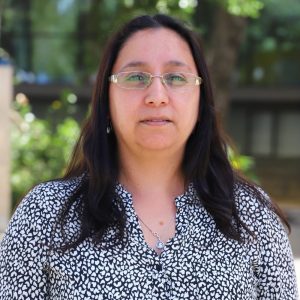
Débora MujicaAsistente de Gestión
Líneas de Desarrollo





Proyectos
- 1261124
- Abril 2026 - Marzo 2029
AdjudicadoAgencia Nacional de Investigación y Desarrollo - ANID
Los cuidados en perspectiva territorial: estudio comparativo sobre corresponsabilidad de género, salud mental y uso del tiempo en la agricultura familiar
[vc_section el_class="container mx-auto align-items-center circle--pattern" css=".vc_custom_1648956589196{padding-top: 3rem !important;}"][vc_row el_class="pb-5"][vc_column][vc_wp_custommenu nav_menu="6"][uoh_breadcrumb_component automatic_breadcrumb="true"][uoh_title_component title_dropdown="big" title_decorator="true"]{{title}}[/uoh_title_component][vc_column_text css=""]El proyecto estudia los cuidados en perspectiva territorial por medio de un estudio comparativo sobre corresponsabilidad de género, salud mental y uso del tiempo en la agricultura familiar, especialmente en el caso de mujeres campesinas en 4 regiones del país: Arica y Tarapacá, Antofagasta, Metropolitana y Araucanía.[/vc_column_text][/vc_column][/vc_row][/vc_section][vc_section css=".vc_custom_1649209804184{background-color: #f6faff !important;}" el_class="p-md-0 pt-md-5"][vc_row el_class="container mx-auto align-items-center p-md-0 pt-5"][vc_column el_class="p-0"][/vc_column][/vc_row][/vc_section][vc_section css=".vc_custom_1649210787516{background-color: #f6faff !important;}" el_class="p-md-0 pt-md-5 pb-md-5"][vc_row el_class="container mx-auto align-items-center"][vc_column][/vc_column][/vc_row][/vc_section]
Co-Investigador/a
- 1261124
- Abril 2026 - Marzo 2029
AdjudicadoAgencia Nacional de Investigación y Desarrollo - ANID
Los cuidados en perspectiva territorial: estudio comparativo sobre corresponsabilidad de género, salud mental y uso del tiempo en la agricultura familiar
[vc_section el_class="container mx-auto align-items-center circle--pattern" css=".vc_custom_1648956589196{padding-top: 3rem !important;}"][vc_row el_class="pb-5"][vc_column][vc_wp_custommenu nav_menu="6"][uoh_breadcrumb_component automatic_breadcrumb="true"][uoh_title_component title_dropdown="big" title_decorator="true"]{{title}}[/uoh_title_component][vc_column_text css=""]El proyecto estudia los cuidados en perspectiva territorial por medio de un estudio comparativo sobre corresponsabilidad de género, salud mental y uso del tiempo en la agricultura familiar, especialmente en el caso de mujeres campesinas en 4 regiones del país: Arica y Tarapacá, Antofagasta, Metropolitana y Araucanía.[/vc_column_text][/vc_column][/vc_row][/vc_section][vc_section css=".vc_custom_1649209804184{background-color: #f6faff !important;}" el_class="p-md-0 pt-md-5"][vc_row el_class="container mx-auto align-items-center p-md-0 pt-5"][vc_column el_class="p-0"][/vc_column][/vc_row][/vc_section][vc_section css=".vc_custom_1649210787516{background-color: #f6faff !important;}" el_class="p-md-0 pt-md-5 pb-md-5"][vc_row el_class="container mx-auto align-items-center"][vc_column][/vc_column][/vc_row][/vc_section]
Co-Investigador/a
- 1261483
- Abril 2026 - Marzo 2030
AdjudicadoAgencia Nacional de Investigación y Desarrollo - ANID
Rethinking police empowerment: unpacking its meaning and consequences
[vc_section el_class="container mx-auto align-items-center circle--pattern" css=".vc_custom_1648956589196{padding-top: 3rem !important;}"][vc_row el_class="pb-5"][vc_column][vc_wp_custommenu nav_menu="6"][uoh_breadcrumb_component automatic_breadcrumb="true"][uoh_title_component title_dropdown="big" title_decorator="true"]{{title}}[/uoh_title_component][vc_column_text css=""]In this project, police empowerment is preliminarily defined as the process by which police forces are
granted powers or see their existing powers expanded through legal mandates (e.g., laws that grant police
forces with more attributions or discretion), institutional and administrative capacities (e.g., budget
increase), and social perceptions (e.g., citizens and authorities perceptions and support for police
empowerment, as well as police officers self-empowerment). Existing research has largely focused on
isolated dimensions of this processeither legal, institutional, or perceptualbut has not addressed how
these interact or differ in their consequences. This project addresses this gap by (a) proposing a
multidimensional, contextually grounded, conceptual and operational definition of police empowerment and
analyzing how its different componentsmoderated by accountabilityaffect public security and order,
and the potential for police abuse.
To achieve these goals, we adopt a multi-method design composed of six interrelated studies. These
include expert interviews (Study 1), a longitudinal panel survey with citizens (EPSEP, Study 2), secondary
data analysis (legal, institutional/administrative and authorities discourse analysis, Study 3), interviews with
police officers (Study 4), a quasi-experimental study of the effect of key moments of empowerment (e.g.,
the enactment of a new law increasing police power, Study 5) on the aforementioned consequences, and
an experimental study with police personnel (Study 6). Study 2 will also enable longitudinal, quasi-
experimental (via a rolling cross-sectional design), and experimental analyses of the effects of police
empowerment among citizens.[/vc_column_text][/vc_column][/vc_row][/vc_section][vc_section css=".vc_custom_1649209804184{background-color: #f6faff !important;}" el_class="p-md-0 pt-md-5"][vc_row el_class="container mx-auto align-items-center p-md-0 pt-5"][vc_column el_class="p-0"][/vc_column][/vc_row][/vc_section][vc_section css=".vc_custom_1649210787516{background-color: #f6faff !important;}" el_class="p-md-0 pt-md-5 pb-md-5"][vc_row el_class="container mx-auto align-items-center"][vc_column][/vc_column][/vc_row][/vc_section]
Co-Investigador/a
- 1261483
- Abril 2026 - Marzo 2030
AdjudicadoAgencia Nacional de Investigación y Desarrollo - ANID
Rethinking police empowerment: unpacking its meaning and consequences
[vc_section el_class="container mx-auto align-items-center circle--pattern" css=".vc_custom_1648956589196{padding-top: 3rem !important;}"][vc_row el_class="pb-5"][vc_column][vc_wp_custommenu nav_menu="6"][uoh_breadcrumb_component automatic_breadcrumb="true"][uoh_title_component title_dropdown="big" title_decorator="true"]{{title}}[/uoh_title_component][vc_column_text css=""]In this project, police empowerment is preliminarily defined as the process by which police forces are
granted powers or see their existing powers expanded through legal mandates (e.g., laws that grant police
forces with more attributions or discretion), institutional and administrative capacities (e.g., budget
increase), and social perceptions (e.g., citizens and authorities perceptions and support for police
empowerment, as well as police officers self-empowerment). Existing research has largely focused on
isolated dimensions of this processeither legal, institutional, or perceptualbut has not addressed how
these interact or differ in their consequences. This project addresses this gap by (a) proposing a
multidimensional, contextually grounded, conceptual and operational definition of police empowerment and
analyzing how its different componentsmoderated by accountabilityaffect public security and order,
and the potential for police abuse.
To achieve these goals, we adopt a multi-method design composed of six interrelated studies. These
include expert interviews (Study 1), a longitudinal panel survey with citizens (EPSEP, Study 2), secondary
data analysis (legal, institutional/administrative and authorities discourse analysis, Study 3), interviews with
police officers (Study 4), a quasi-experimental study of the effect of key moments of empowerment (e.g.,
the enactment of a new law increasing police power, Study 5) on the aforementioned consequences, and
an experimental study with police personnel (Study 6). Study 2 will also enable longitudinal, quasi-
experimental (via a rolling cross-sectional design), and experimental analyses of the effects of police
empowerment among citizens.[/vc_column_text][/vc_column][/vc_row][/vc_section][vc_section css=".vc_custom_1649209804184{background-color: #f6faff !important;}" el_class="p-md-0 pt-md-5"][vc_row el_class="container mx-auto align-items-center p-md-0 pt-5"][vc_column el_class="p-0"][/vc_column][/vc_row][/vc_section][vc_section css=".vc_custom_1649210787516{background-color: #f6faff !important;}" el_class="p-md-0 pt-md-5 pb-md-5"][vc_row el_class="container mx-auto align-items-center"][vc_column][/vc_column][/vc_row][/vc_section]
Co-Investigador/a
- ATE250052
- Abril 2026 - Marzo 2029
AdjudicadoAgencia Nacional de Investigación y Desarrollo - ANID
PENGUIN (Polar Environmental transformations and Geo-microbiology Under human Impact and disturbance)
[vc_section el_class="container mx-auto align-items-center circle--pattern" css=".vc_custom_1648956589196{padding-top: 3rem !important;}"][vc_row el_class="pb-5"][vc_column][vc_wp_custommenu nav_menu="6"][uoh_breadcrumb_component automatic_breadcrumb="true"][uoh_title_component title_dropdown="big" title_decorator="true"]{{title}}[/uoh_title_component][vc_column_text css=""]Proyecto Anillo Ciencia Antártica - PENGUIN: Transformaciones Ambientales Polares y Geomicrobiología bajo Impacto y Perturbación Humana. El proyecto estudia la alianza entre geoquímicos, microbiólogos, ecotoxicólogos, e investigadores sociales para comprender cómo se transmite la huella humana (infraestructura construida, mezclas químicas, plásticos, invasores y decisiones políticas) desde los genes hasta la gobernanza, transformando la resiliencia costera Antártica.[/vc_column_text][/vc_column][/vc_row][/vc_section][vc_section css=".vc_custom_1649209804184{background-color: #f6faff !important;}" el_class="p-md-0 pt-md-5"][vc_row el_class="container mx-auto align-items-center p-md-0 pt-5"][vc_column el_class="p-0"][/vc_column][/vc_row][/vc_section][vc_section css=".vc_custom_1649210787516{background-color: #f6faff !important;}" el_class="p-md-0 pt-md-5 pb-md-5"][vc_row el_class="container mx-auto align-items-center"][vc_column][/vc_column][/vc_row][/vc_section]
Co-Investigador/a
- 11260818
- Abril 2026 - Marzo 2029
AdjudicadoAgencia Nacional de Investigación y Desarrollo - ANID
Una Etnografía Institucional del Agua Potable Rural y Saneamiento: hacia una gestión intercultural
[vc_section el_class="container mx-auto align-items-center circle--pattern" css=".vc_custom_1648956589196{padding-top: 3rem !important;}"][vc_row el_class="pb-5"][vc_column][vc_wp_custommenu nav_menu="6"][uoh_breadcrumb_component automatic_breadcrumb="true"][uoh_title_component title_dropdown="big" title_decorator="true"]{{title}}[/uoh_title_component][vc_column_text css=""]El proyecto analiza cómo se organiza material y discursivamente el Programa de Agua Potable Rural y Saneamiento (APR) en Chile para contribuir a una gestión intercultural del agua potable rural y saneamiento desde cuatro proyectos situados en comunidades mapuche en la región de La Araucanía.[/vc_column_text][/vc_column][/vc_row][/vc_section][vc_section css=".vc_custom_1649209804184{background-color: #f6faff !important;}" el_class="p-md-0 pt-md-5"][vc_row el_class="container mx-auto align-items-center p-md-0 pt-5"][vc_column el_class="p-0"][/vc_column][/vc_row][/vc_section][vc_section css=".vc_custom_1649210787516{background-color: #f6faff !important;}" el_class="p-md-0 pt-md-5 pb-md-5"][vc_row el_class="container mx-auto align-items-center"][vc_column][/vc_column][/vc_row][/vc_section]
Investigador/a Responsable
Publicaciones
- REVISTA Studies in Educational Evaluation
- 2026
Pathways to gender equity in Latin America and the Caribbean: A comparative analysis of trends in mathematics gender gaps using PISA data
• Lorena Ortega • Matías Montero • Alvaro Romero • Catalina Cecilia Canals Cifuentes • Alejandra Mizala
- REVISTA Studies in Educational Evaluation
- 2026
Pathways to gender equity in Latin America and the Caribbean: A comparative analysis of trends in mathematics gender gaps using PISA data
• Lorena Ortega • Matías Montero • Alvaro Romero • Catalina Cecilia Canals Cifuentes • Alejandra Mizala
- REVISTA The Lancet Planetary Health
- 2026
Rethinking labour in food systems for planetary health
• Emmanuel Raju • Ricardo Sebastián Fuentealba Fuentes
- REVISTA The Lancet Planetary Health
- 2026
Rethinking labour in food systems for planetary health
• Emmanuel Raju • Ricardo Sebastián Fuentealba Fuentes
- REVISTA Sustainability Science
- 2026
Energy transitions in peripheral territories: integrating Multi-level Perspective and Three Horizons approaches in Chilean Patagonia
• Trace Gale • José Barrena Ruiz • Luz Stella Cardona • Sebastian Ibarra
- REVISTA Sustainability Science
- 2026
Energy transitions in peripheral territories: integrating Multi-level Perspective and Three Horizons approaches in Chilean Patagonia
• Trace Gale • José Barrena Ruiz • Luz Stella Cardona • Sebastian Ibarra
Noticias
Jueves 23, Abril
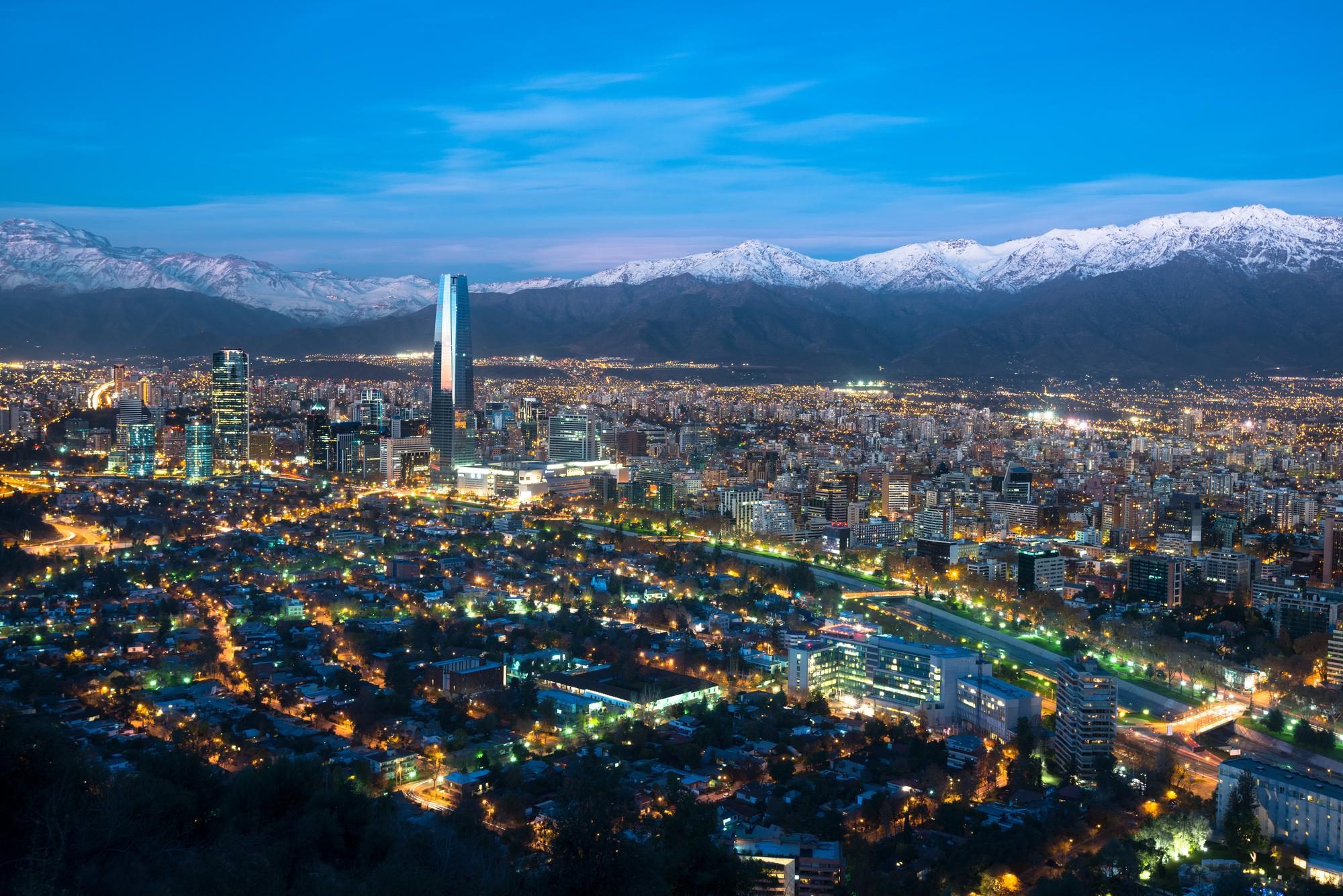
Policrisis y ciudades al límite: experta advierte que modelo urbano chileno “está agotado”
La académica Gabriela Guevara Cué sostiene que la convergencia de crisis económicas, climáticas, de contaminación y energéticas está tensionando un modelo de desarrollo urbano incapaz de responder a los desafíos actuales, profundizando desigualdades y fragilidad territorial.
Saber más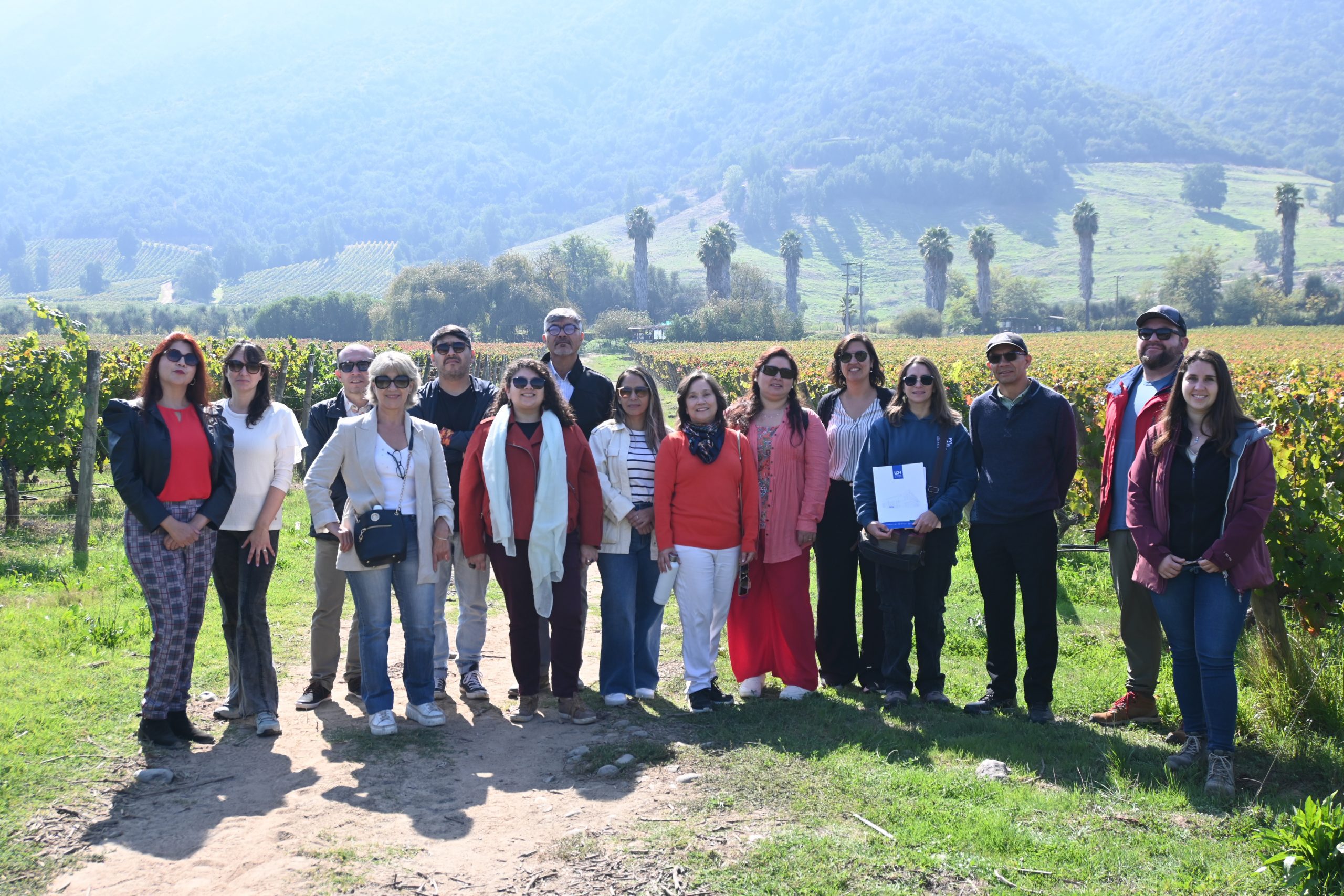
Miércoles 15, Abril
Universidades estatales sellan hoja de ruta 2030: Red Desarrollo Sustentable entra en fase de consolidación
En el Plenario realizado en la Universidad de O'Higgins, los 18 planteles públicos definieron sus metas estratégicas para el periodo 2026-2030. El plan priorizará la institucionalización de capacidades, un diplomado para organismos públicos y la medición de la huella hídrica en los campus.
Saber más
Jueves 9, Abril
Experta advierte que foco punitivo en seguridad escolar “no aborda el problema de fondo”
La socióloga y académica UOH María Paz Trebilcock plantea que los proyectos de ley impulsados -esta semana- por el Gobierno deben complementarse con una agenda de convivencia y salud socioemocional, advirtiendo que sanciones como la pérdida de la gratuidad podrían ser desmedidas y poco efectivas.
Saber másAgenda
![[Seminario internacional] Prisión Preventiva](https://www.uoh.cl/instituto-de-ciencias-sociales/wp-content/uploads/sites/29/2026/04/Seminario-Prision-preventiva-feed-scaled-600x600.png?x61421)
![[Ceremonia] Inauguración Año Académico](https://www.uoh.cl/instituto-de-ciencias-sociales/wp-content/uploads/sites/29/2026/04/Agenda_UOH-600x600.png?x61421)
Abr
23
![[Seminario] Estudios socio-legales en la UOH: innovaciones para la investigación del Derecho](https://www.uoh.cl/instituto-de-ciencias-sociales/wp-content/uploads/sites/29/2026/04/ICSo-ESL-01-scaled-600x600.jpg?x61421)
[Seminario] Estudios socio-legales en la UOH: innovaciones para la investigación del Derecho
- 16:00
- Sala A305, Campus Rancagua
Abr
14
![[Conversatorio] Lo público en movimiento. Desafíos para la administración pública](https://www.uoh.cl/instituto-de-ciencias-sociales/wp-content/uploads/sites/29/2026/03/Conservatorio-Lo-publico-en-movimiento-feed-1-scaled-600x600.png?x61421)
[Conversatorio] Lo público en movimiento. Desafíos para la administración pública
- 15:00
- Auditorio, Campus Rancagua
Mar
24
![[Seminario] Experiencias y herramientas para la gobernanza territorial del riesgo](https://www.uoh.cl/instituto-de-ciencias-sociales/wp-content/uploads/sites/29/2026/03/Seminario-Experiencias-feed-scaled-600x600.png?x61421)
[Seminario] Experiencias y herramientas para la gobernanza territorial del riesgo
- 10:00
- Sala B102, Campus Rancagua
Ene
14
![[Conferencia] Calibration as an answer to the challenge of multiple measures of behaviour: an example from aversion learning](https://www.uoh.cl/instituto-de-ciencias-sociales/wp-content/uploads/sites/29/2025/12/Calibration-01-scaled-600x600.jpg?x61421)
[Conferencia] Calibration as an answer to the challenge of multiple measures of behaviour: an example from aversion learning
- 12:30
- Sala B101, Campus Rancagua
Contacto
Instituto de Ciencias Sociales