
28
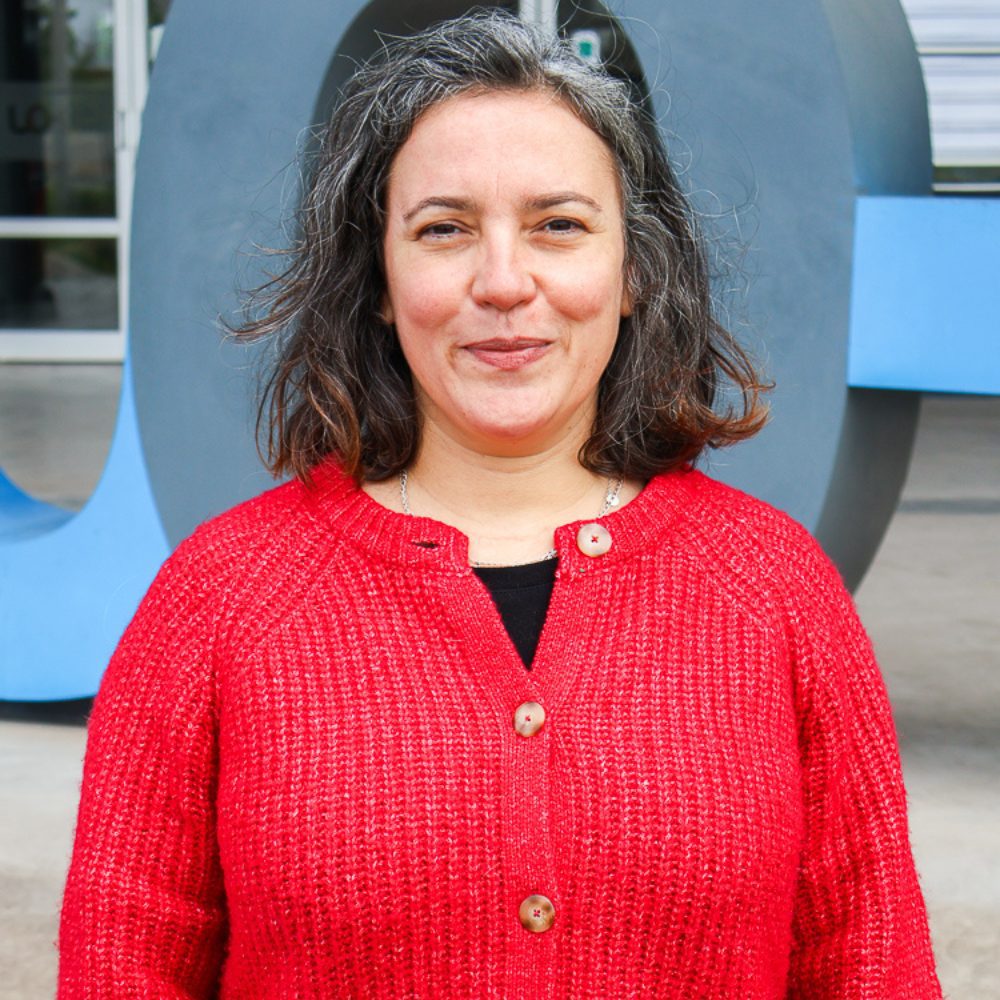
Morgane Derrien ● Profesora Asociada
Grado Académico
Doctorado en Ciencias de la Tierra, Universidad de Rennes
Título(s) Profesional
Magíster en Química Ambiental y Calidad, Universidad de Burdeos
Descripción
Morgane es química de formación. Se especializó en química ambiental durante su maestría y posteriormente en biogeoquímica. Trabaja en la identificación de las fuentes y los flujos de carbono en los sistemas acuáticos a través del estudio de la materia orgánica, que representa el depósito de carbono más grande en la Tierra, con la finalidad de conseguir una comprensión profunda del funcionamiento del ciclo del carbono y su repuesta a los cambios ambientales tales como el cambio climático.
11
1
- REVISTA Ecological Indicators
- 2025
Comprehensive approach to coastal lagoon ecological health evaluation: Example of Petrel Lagoon, Central Chile
• Morgane Marie Reine Derrien • Celine Lavergne • Polette Aguilar-Muñoz • Yoelvis Sulbarán • María Soledad Pavlov
- REVISTA Journal of South American Earth Sciences
- 2024
Current understanding, knowledge gaps, and challenges of mountain permafrost research in the Chilean and Argentinean Andes
• Hans Andrés Fernández Navarro • Claudia Tapia Baldis • Claudia Macarena Rojas Alvarado • Morgane Marie Reine Derrien • Tania Gabriela Villaseñor Jorquera
- REVISTA Environmental Chemistry
- 2023
Exploration of changes in the chemical composition of sedimentary organic matter and the underlying processes during biodegradation through advanced analytical techniques
• Morgane Marie Reine Derrien • Laurent Jeanneau • Emilie Jardé • Jin Hur • Sunghwan Kim
- REVISTA Chemosphere
- 2020
Tracking the evolution of particulate organic matter sources during summer storm events via end-member mixing analysis based on spectroscopic proxies
• Morgane Marie Reine Derrien • Mi-Hee Lee • Kwangsoon Choi • Kwang-Sik Lee • Jin Hur
- REVISTA Water Research
- 2020
Do early diagenetic processes affect the applicability of commonly-used organic matter source tracking tools? An assessment through controlled degradation end-member mixing experiments
• Morgane Marie Reine Derrien • Heybin Choi • Emilie Jardé • Kyung-Hoon Shin • Jin Hur
- REVISTA Journal of Fluorescence
- 2019
In-Depth Assessment of the Effect of Sodium Azide on the Optical Properties of Dissolved Organic Matter
• Simona Retelletti Brogi • Morgane Marie Reine Derrien • Jin Hur
- REVISTA Ecological Indicators
- 2019
Evaluation of alkane indexes for quantifying organic source from end member mixing experiments based on soil and algae
• Dong-Hun Lee • Hye-Bin Choi • Eun-Ji Won • Morgane Marie Reine Derrien • Jin Hur
- REVISTA Science of The Total Environment
- 2019
Assessment on applicability of common source tracking tools for particulate organic matter in controlled end member mixing experiments
• Morgane Marie Reine Derrien • Kyung-Hoon Shin • Jin Hur
- REVISTA Science of The Total Environment
- 2019
Biodegradation-induced signatures in sediment pore water dissolved organic matter: Implications from artificial sediments composed of two contrasting sources
• Morgane Marie Reine Derrien • Kyung-Hoon Shin • Jin Hur
- REVISTA Water Research
- 2019
Evaluating the contributions of different organic matter sources to urban river water during a storm event via optical indices and molecular composition
• Mi-Hee Lee • Yun Kyung Lee • Morgane Marie Reine Derrien • Kwangsoon Choi • Kyung Hoon Shin
- REVISTA PLOS ONE
- 2019
Faecal biomarkers can distinguish specific mammalian species in modern and past environments
• Loïc Harrault • Karen Milek • Emilie Jardé • Laurent Jeanneau • Morgane Marie Reine Derrien
- REVISTA Water Research
- 2019
Characterization of aquatic organic matter: Assessment, perspectives and research priorities
• Morgane Marie Reine Derrien • Simona Retelletti Brogi • Rafael Gonçalves-Araujo
- REVISTA Science of The Total Environment
- 2018
Estimation of different source contributions to sediment organic matter in an agricultural-forested watershed using end member mixing analyses based on stable isotope ratios and fluorescence spectroscopy
• Morgane Marie Reine Derrien • Min-Seob Kim • Giyoung Ock • Seongjin Hong • Jinwoo Cho
- REVISTA Science of The Total Environment
- 2018
Optical and molecular characterization of dissolved organic matter (DOM) in the Arctic ice core and the underlying seawater (Cambridge Bay, Canada): Implication for increased autochthonous DOM during ice melting
• Simona Retelletti Brogi • Sun-Yong Ha • Kwanwoo Kim • Morgane Marie Reine Derrien • Yun Kyung Lee
- REVISTA Geofluids
- 2018
Submerged Groundwater Discharges as Source of Fecal Material in Protected Karstic Coastal Areas
• Cristian Kantún Manzano • Flor Arcega-Cabrera • Morgane Marie Reine Derrien • Elsa Noreña-Barroso • Jorge Herrera-Silveira
- REVISTA Environmental Science and Pollution Research
- 2017
Comparing discrimination capabilities of fluorescence spectroscopy versus FT-ICR-MS for sources and hydrophobicity of sediment organic matter
• Morgane Marie Reine Derrien • Yun Kyung Lee • Kyung-Hoon Shin • Jin Hur
- REVISTA Environmental Science and Pollution Research
- 2017
Spectroscopic and molecular characterization of humic substances (HS) from soils and sediments in a watershed: comparative study of HS chemical fractions and the origins
• Morgane Marie Reine Derrien • Yun Kyung Lee • Jae-Eun Park • Penghui Li • Meilian Chen
- REVISTA Soil Research
- 2017
A survey of total and dissolved organic carbon in alkaline soils of southern Australia
• Morgane Marie Reine Derrien
- REVISTA WATER
- 2017
Comparing the Spectroscopic and Molecular Characteristics of Different Dissolved Organic Matter Fractions Isolated by Hydrophobic and Anionic Exchange Resins Using Fluorescence Spectroscopy and FT-ICR-MS
• Morgane Marie Reine Derrien • Yun Lee • Jin Hur
- REVISTA Water Research
- 2017
Lipid biomarkers and spectroscopic indices for identifying organic matter sources in aquatic environments: A review
• Morgane Marie Reine Derrien • Liyang Yang • Jin Hur
- REVISTA Science of The Total Environment
- 2015
Sources and distribution of organic matter along the Ring of Cenotes, Yucatan, Mexico: Sterol markers and statistical approaches
• Morgane Marie Reine Derrien • Flor Arcega Cabrera • Nadia Libertad Velazquez Tavera • Cristian A. Kantún Manzano • Santiago Capella Vizcaino
- REVISTA Journal of Contaminant Hydrology
- 2014
Fecal sterols, seasonal variability, and probable sources along the ring of cenotes, Yucatan, Mexico
• Morgane Marie Reine Derrien • N. Velázquez-Tavera • L. Fargher • E. Noreña-Barroso
- REVISTA Environmental Science & Technology
- 2013
Mixing and Reaction Kinetics in Porous Media: An Experimental Pore Scale Quantification
• Pietro de Anna • Joaquin Jimenez-Martinez • Hervé Tabuteau • Regis Turuban • Tanguy Le Borgne
- REVISTA Water Research
- 2012
Origin of fecal contamination in waters from contrasted areas: Stanols as Microbial Source Tracking markers
• Morgane Marie Reine Derrien
- REVISTA Techniques - Sciences - Methods
- 2012
Selection of microbial and chemical markers for microbial source tracking. Application to river waters impacted by point and nonpoint source pollution in France.
• Morgane Marie Reine Derrien
- REVISTA Journal Of Agricultural and Food Chemistry
- 2011
Extreme Variability of Steroid Profiles in Cow Feces and Pig Slurries at the Regional Scale: Implications for the Use of Steroids to Specify Fecal Pollution Sources in Waters
• Morgane Marie Reine Derrien • Emilie Jardé • Gérard Gruau • Anne-Catherine Pierson-Wickmann
- REVISTA Journal of Environmental Quality
- 2011
Microbial and Chemical Markers: Runoff Transfer in Animal Manure-Amended Soils
• Anne Jaffrezic • Emilie Jardé • Anne-Marie Pourcher • Michèle Gourmelon • Marie-Paule Caprais
- REVISTA Water Research
- 2010
Development of microbial and chemical MST tools to identify the origin of the fecal pollution in bathing and shellfish harvesting waters in France
• Morgane Marie Reine Derrien
- Marzo 2025 - Febrero 2027
AdjudicadoAgencia Nacional de Investigación y Desarrollo - ANID
Fluctuaciones glaciares del Cuaternario tardío en Chile central: bases para comprender el pasado, presente y futuro del clima.
[vc_section el_class="container mx-auto align-items-center circle--pattern" css=".vc_custom_1648956589196{padding-top: 3rem !important;}"][vc_row el_class="pb-5"][vc_column][vc_wp_custommenu nav_menu="6"][uoh_breadcrumb_component automatic_breadcrumb="true"][uoh_title_component title_dropdown="big" title_decorator="true"]{{title}}[/uoh_title_component][vc_column_text css=""]Fluctuaciones glaciares del Cuaternario tardío en Chile central: bases para comprender el pasado, presente y futuro del clima.[/vc_column_text][/vc_column][/vc_row][/vc_section][vc_section css=".vc_custom_1649209804184{background-color: #f6faff !important;}" el_class="p-md-0 pt-md-5"][vc_row el_class="container mx-auto align-items-center p-md-0 pt-5"][vc_column el_class="p-0"][/vc_column][/vc_row][/vc_section][vc_section css=".vc_custom_1649210787516{background-color: #f6faff !important;}" el_class="p-md-0 pt-md-5 pb-md-5"][vc_row el_class="container mx-auto align-items-center"][vc_column][/vc_column][/vc_row][/vc_section]
Patrocinante
- Diciembre 2024
AdjudicadoUniversidad de O'Higgins
Evaluación del potencial de captura de carbono en relaves mineros de la Mina El Teniente, Chile
[vc_section el_class="container mx-auto align-items-center circle--pattern" css=".vc_custom_1648956589196{padding-top: 3rem !important;}"][vc_row el_class="pb-5"][vc_column][vc_wp_custommenu nav_menu="6"][uoh_breadcrumb_component automatic_breadcrumb="true"][uoh_title_component title_dropdown="big" title_decorator="true"]{{title}}[/uoh_title_component][vc_column_text css=""]Evaluación del potencial de captura de carbono en relaves mineros de la Mina El Teniente, Chile[/vc_column_text][/vc_column][/vc_row][/vc_section][vc_section css=".vc_custom_1649209804184{background-color: #f6faff !important;}" el_class="p-md-0 pt-md-5"][vc_row el_class="container mx-auto align-items-center p-md-0 pt-5"][vc_column el_class="p-0"][/vc_column][/vc_row][/vc_section][vc_section css=".vc_custom_1649210787516{background-color: #f6faff !important;}" el_class="p-md-0 pt-md-5 pb-md-5"][vc_row el_class="container mx-auto align-items-center"][vc_column][/vc_column][/vc_row][/vc_section]
Responsable Alterno
- Noviembre 2024 - Diciembre 2026
AdjudicadoUniversidad de O'Higgins
Calidad de agua en una cuenca de alta montaña afectada por la degradación de la criosfera
[vc_section el_class="container mx-auto align-items-center circle--pattern" css=".vc_custom_1648956589196{padding-top: 3rem !important;}"][vc_row el_class="pb-5"][vc_column][vc_wp_custommenu nav_menu="6"][uoh_breadcrumb_component automatic_breadcrumb="true"][uoh_title_component title_dropdown="big" title_decorator="true"]{{title}}[/uoh_title_component][vc_column_text css=""]Calidad de agua en una cuenca de alta montaña afectada por la degradación de
la criosfera[/vc_column_text][/vc_column][/vc_row][/vc_section][vc_section css=".vc_custom_1649209804184{background-color: #f6faff !important;}" el_class="p-md-0 pt-md-5"][vc_row el_class="container mx-auto align-items-center p-md-0 pt-5"][vc_column el_class="p-0"][/vc_column][/vc_row][/vc_section][vc_section css=".vc_custom_1649210787516{background-color: #f6faff !important;}" el_class="p-md-0 pt-md-5 pb-md-5"][vc_row el_class="container mx-auto align-items-center"][vc_column][/vc_column][/vc_row][/vc_section]
Investigador/a Responsable
- 1240579
- Abril 2024 - Marzo 2028
En EjecuciónAgencia Nacional de Investigación y Desarrollo - ANID
Exploring and elucidating the interplays between dissolved organic matter and microbial communities along an aquatic continuum: from the Andes to the ocean
[vc_section el_class="container mx-auto align-items-center circle--pattern" css=".vc_custom_1648956589196{padding-top: 3rem !important;}"][vc_row el_class="pb-5"][vc_column][vc_wp_custommenu nav_menu="6"][uoh_breadcrumb_component automatic_breadcrumb="true"][uoh_title_component title_dropdown="big" title_decorator="true"]{{title}}[/uoh_title_component][vc_column_text css=""]Exploring and elucidating the interplays between dissolved organic matter and microbial communities along an aquatic continuum: from the Andes to the ocean[/vc_column_text][/vc_column][/vc_row][/vc_section][vc_section css=".vc_custom_1649209804184{background-color: #f6faff !important;}" el_class="p-md-0 pt-md-5"][vc_row el_class="container mx-auto align-items-center p-md-0 pt-5"][vc_column el_class="p-0"][/vc_column][/vc_row][/vc_section][vc_section css=".vc_custom_1649210787516{background-color: #f6faff !important;}" el_class="p-md-0 pt-md-5 pb-md-5"][vc_row el_class="container mx-auto align-items-center"][vc_column][/vc_column][/vc_row][/vc_section]
Investigador/a Responsable
- FOVI230047
- Enero 2024 - Diciembre 2024
FinalizadoAgencia Nacional de Investigación y Desarrollo - ANID
Vinculación internacional para la evaluación de la capacidad centinela de moluscos bivalvos filtradores en el monitoreo de contaminantes emergentes en áreas costeras marinas
[vc_section el_class="container mx-auto align-items-center circle--pattern" css=".vc_custom_1648956589196{padding-top: 3rem !important;}"][vc_row el_class="pb-5"][vc_column][vc_wp_custommenu nav_menu="6"][uoh_breadcrumb_component automatic_breadcrumb="true"][uoh_title_component title_dropdown="big" title_decorator="true"]{{title}}[/uoh_title_component][vc_column_text css=""]Vinculación internacional para la evaluación de la capacidad centinela de moluscos bivalvos filtradores en el monitoreo de contaminantes emergentes en áreas costeras marinas[/vc_column_text][/vc_column][/vc_row][/vc_section][vc_section css=".vc_custom_1649209804184{background-color: #f6faff !important;}" el_class="p-md-0 pt-md-5"][vc_row el_class="container mx-auto align-items-center p-md-0 pt-5"][vc_column el_class="p-0"][/vc_column][/vc_row][/vc_section][vc_section css=".vc_custom_1649210787516{background-color: #f6faff !important;}" el_class="p-md-0 pt-md-5 pb-md-5"][vc_row el_class="container mx-auto align-items-center"][vc_column][/vc_column][/vc_row][/vc_section]
Investigador/a Responsable
- Junio 2023 - Marzo 2025
En EjecuciónGobierno Regional - GORE
Transferencia Laboratorio Ecosistemas de Humedales
[vc_section el_class="container mx-auto align-items-center circle--pattern" css=".vc_custom_1648956589196{padding-top: 3rem !important;}"][vc_row el_class="pb-5"][vc_column][vc_wp_custommenu nav_menu="6"][uoh_breadcrumb_component automatic_breadcrumb="true"][uoh_title_component title_dropdown="big" title_decorator="true"]{{title}}[/uoh_title_component][vc_column_text css=""]Diseñar e implementar un >Laboratorio de Ecosistema de Humedales para el desarrollo y transferencia de herramientas biotecnológicas sustentables para la Regíon e O´Higgins, mediante monitoreo, extensión y educación[/vc_column_text][/vc_column][/vc_row][/vc_section][vc_section css=".vc_custom_1649209804184{background-color: #f6faff !important;}" el_class="p-md-0 pt-md-5"][vc_row el_class="container mx-auto align-items-center p-md-0 pt-5"][vc_column el_class="p-0"][/vc_column][/vc_row][/vc_section][vc_section css=".vc_custom_1649210787516{background-color: #f6faff !important;}" el_class="p-md-0 pt-md-5 pb-md-5"][vc_row el_class="container mx-auto align-items-center"][vc_column][/vc_column][/vc_row][/vc_section]
Co-Investigador/a
- Junio 2023
En EjecuciónGobierno Regional - GORE
Transferencia Modelo de gestión para sistemas sanitarios rurales
[vc_section el_class="container mx-auto align-items-center circle--pattern" css=".vc_custom_1648956589196{padding-top: 3rem !important;}"][vc_row el_class="pb-5"][vc_column][vc_wp_custommenu nav_menu="6"][uoh_breadcrumb_component automatic_breadcrumb="true"][uoh_title_component title_dropdown="big" title_decorator="true"]{{title}}[/uoh_title_component][vc_column_text css=""]I+D+i para la gestión y manejo de los recursos hídricos, mejora de la calidad del agua, optimización y reutilización del agua
de riego y su tecnificación[/vc_column_text][/vc_column][/vc_row][/vc_section][vc_section css=".vc_custom_1649209804184{background-color: #f6faff !important;}" el_class="p-md-0 pt-md-5"][vc_row el_class="container mx-auto align-items-center p-md-0 pt-5"][vc_column el_class="p-0"][/vc_column][/vc_row][/vc_section][vc_section css=".vc_custom_1649210787516{background-color: #f6faff !important;}" el_class="p-md-0 pt-md-5 pb-md-5"][vc_row el_class="container mx-auto align-items-center"][vc_column][/vc_column][/vc_row][/vc_section]
Co-Investigador/a
- Enero 2022 - Diciembre 2024
FinalizadoMinisterio de Educación
Sistema Articulado de Investigación en Cambio Climático y Sustentabilidad de Zonas Costeras de Chile (URO RED21992)
[vc_section el_class="container mx-auto align-items-center circle--pattern" css=".vc_custom_1648956589196{padding-top: 3rem !important;}"][vc_row el_class="pb-5"][vc_column][vc_wp_custommenu nav_menu="6"][uoh_breadcrumb_component automatic_breadcrumb="true"][uoh_title_component title_dropdown="big" title_decorator="true"]{{title}}[/uoh_title_component][vc_column_text css=""]Sistema Articulado de Investigación en Cambio Climático y Sustentabilidad de Zonas Costeras de Chile CUECH/RISUE RED21992[/vc_column_text][/vc_column][/vc_row][/vc_section][vc_section css=".vc_custom_1649209804184{background-color: #f6faff !important;}" el_class="p-md-0 pt-md-5"][vc_row el_class="container mx-auto align-items-center p-md-0 pt-5"][vc_column el_class="p-0"][/vc_column][/vc_row][/vc_section][vc_section css=".vc_custom_1649210787516{background-color: #f6faff !important;}" el_class="p-md-0 pt-md-5 pb-md-5"][vc_row el_class="container mx-auto align-items-center"][vc_column][/vc_column][/vc_row][/vc_section]
Co-Investigador/a
- Noviembre 2017 - Octubre 2020
FinalizadoNatinoal Research Foundation of Korea
Environmental Organic Carbon Forensics Laboratory
[vc_section el_class="container mx-auto align-items-center circle--pattern" css=".vc_custom_1648956589196{padding-top: 3rem !important;}"][vc_row el_class="pb-5"][vc_column][vc_wp_custommenu nav_menu="6"][uoh_breadcrumb_component automatic_breadcrumb="true"][uoh_title_component title_dropdown="big" title_decorator="true"]{{title}}[/uoh_title_component][vc_column_text css=""]Centro de investigación para el estudio de loas fuentes de la dinámica del carbono orgánico en los ecosistemas acuáticos naturales.[/vc_column_text][/vc_column][/vc_row][/vc_section][vc_section css=".vc_custom_1649209804184{background-color: #f6faff !important;}" el_class="p-md-0 pt-md-5"][vc_row el_class="container mx-auto align-items-center p-md-0 pt-5"][vc_column el_class="p-0"][/vc_column][/vc_row][/vc_section][vc_section css=".vc_custom_1649210787516{background-color: #f6faff !important;}" el_class="p-md-0 pt-md-5 pb-md-5"][vc_row el_class="container mx-auto align-items-center"][vc_column][/vc_column][/vc_row][/vc_section]
Co-Investigador/a
- Mayo 2017 - Mayo 2020
FinalizadoFundación Nacional de Investigación de Corea
Desarrollo de una metodología basada en los biomarcadores lipídicos para identificar las fuentes de la materia orgánica en sedimentos
[vc_section el_class="container mx-auto align-items-center circle--pattern" css=".vc_custom_1648956589196{padding-top: 3rem !important;}"][vc_row el_class="pb-5"][vc_column][vc_wp_custommenu nav_menu="6"][uoh_breadcrumb_component automatic_breadcrumb="true"][uoh_title_component title_dropdown="big" title_decorator="true"]{{title}}[/uoh_title_component][vc_column_text css=""]El objetivó del proyecto de investigación era el desarrollo de una caja de trazadores de la materia
orgánica para entender la dinámica de la materia orgánica (MO), los procesos biogeoquímicos y el
papel de esta materia en el ciclo del carbono a la escala local y regional. Para lograr este objetivó, la
identificación precisa de la fuente de MO es un elemento esencial. La utilización de varios
biomarcadores moleculares y especialmente el uso de biomarcadores de lípidos, debido a su presencia
ubicua y estabilidad diagenéticos y química, representan uno de los enfoques con un gran potencial.[/vc_column_text][/vc_column][/vc_row][/vc_section][vc_section css=".vc_custom_1649209804184{background-color: #f6faff !important;}" el_class="p-md-0 pt-md-5"][vc_row el_class="container mx-auto align-items-center p-md-0 pt-5"][vc_column el_class="p-0"][/vc_column][/vc_row][/vc_section][vc_section css=".vc_custom_1649210787516{background-color: #f6faff !important;}" el_class="p-md-0 pt-md-5 pb-md-5"][vc_row el_class="container mx-auto align-items-center"][vc_column][/vc_column][/vc_row][/vc_section]
Investigador/a Responsable
- Enero 2012 - Enero 2013
FinalizadoPrograma de Becas Posdoctorales en la UNAM (Mexico)
Estudio de la dinámica de la contaminación fecal en el anillo de cenotes, Celestún y Dzilam de Bravo, Yucatán.
[vc_section el_class="container mx-auto align-items-center circle--pattern" css=".vc_custom_1648956589196{padding-top: 3rem !important;}"][vc_row el_class="pb-5"][vc_column][vc_wp_custommenu nav_menu="6"][uoh_breadcrumb_component automatic_breadcrumb="true"][uoh_title_component title_dropdown="big" title_decorator="true"]{{title}}[/uoh_title_component][vc_column_text css=""]El objetivó del proyecto de investigación era de identificar la presencia y las fuentes de
contaminaciones fecales en al anillo de cenotes en el estado de Yucatán (zona con ecosistemas frágiles
y altamente productivos) a través del desarrollo de marcadores químicos.[/vc_column_text][/vc_column][/vc_row][/vc_section][vc_section css=".vc_custom_1649209804184{background-color: #f6faff !important;}" el_class="p-md-0 pt-md-5"][vc_row el_class="container mx-auto align-items-center p-md-0 pt-5"][vc_column el_class="p-0"][/vc_column][/vc_row][/vc_section][vc_section css=".vc_custom_1649210787516{background-color: #f6faff !important;}" el_class="p-md-0 pt-md-5 pb-md-5"][vc_row el_class="container mx-auto align-items-center"][vc_column][/vc_column][/vc_row][/vc_section]
Investigador/a Responsable
Validación del uso de los esteroides como herramienta de trazado del origen de las contaminaciones fecales de las aguas superficiales
Descripción
Tipo
Tesis de doctorado
Autores
Morgane Marie Reine Derrien
Mail de contacto
morgane.derrien@uoh.cl
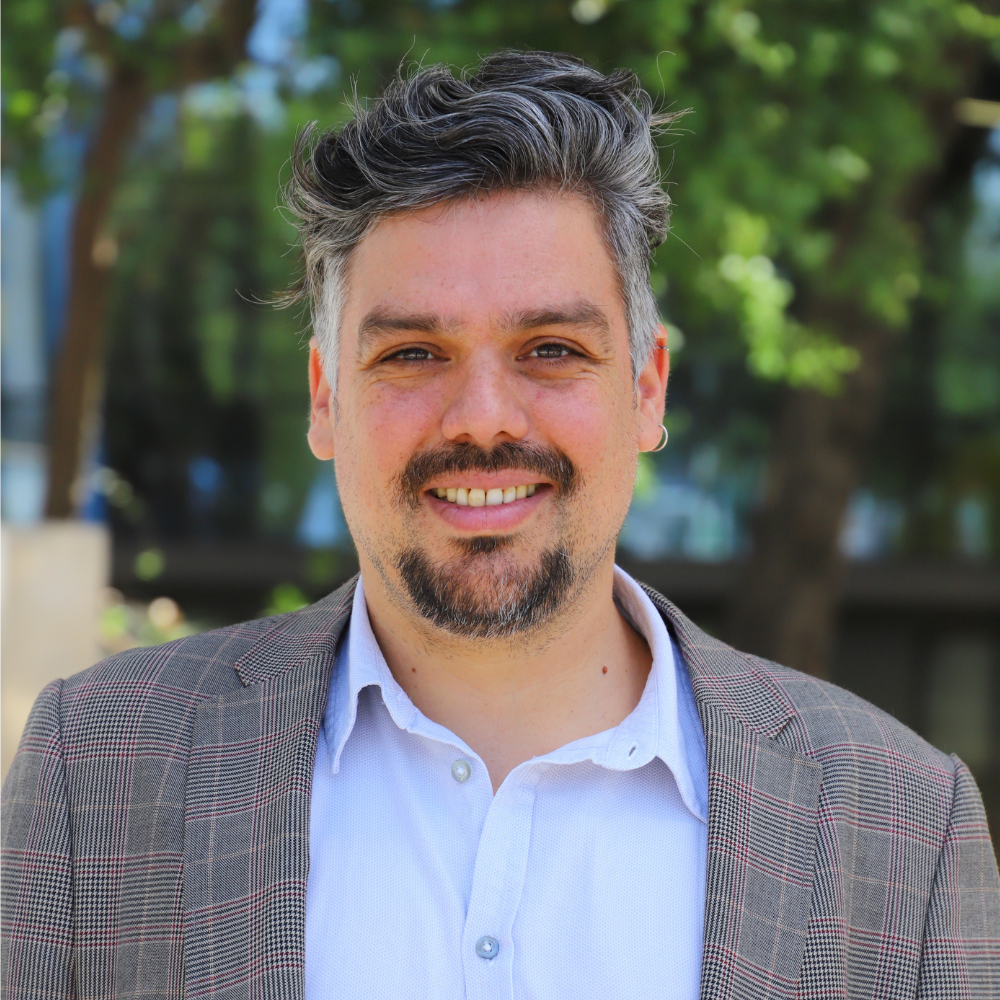
Ignacio Riquelme ● Profesor Asistente
Grado Académico
PhD en Estudios Socio-Jurídicos, Universidad de Brístol, Reino Unido. Master of Science en Derecho, Antopología y Sociedad, LSE, Reino Unido
Título(s) Profesional
Sociólogo y Abogado de la Pontificia Universidad Católica de Chile
Descripción
Investigador postdoctoral. PhD en Estudios Socio-Jurídicos, Universidad de Brístol, Reino Unido. Master of Science en Derecho, Antopología y Sociedad, LSE, Reino Unido. Sociólogo y Abogado de la Pontificia Universidad Católica de Chile.
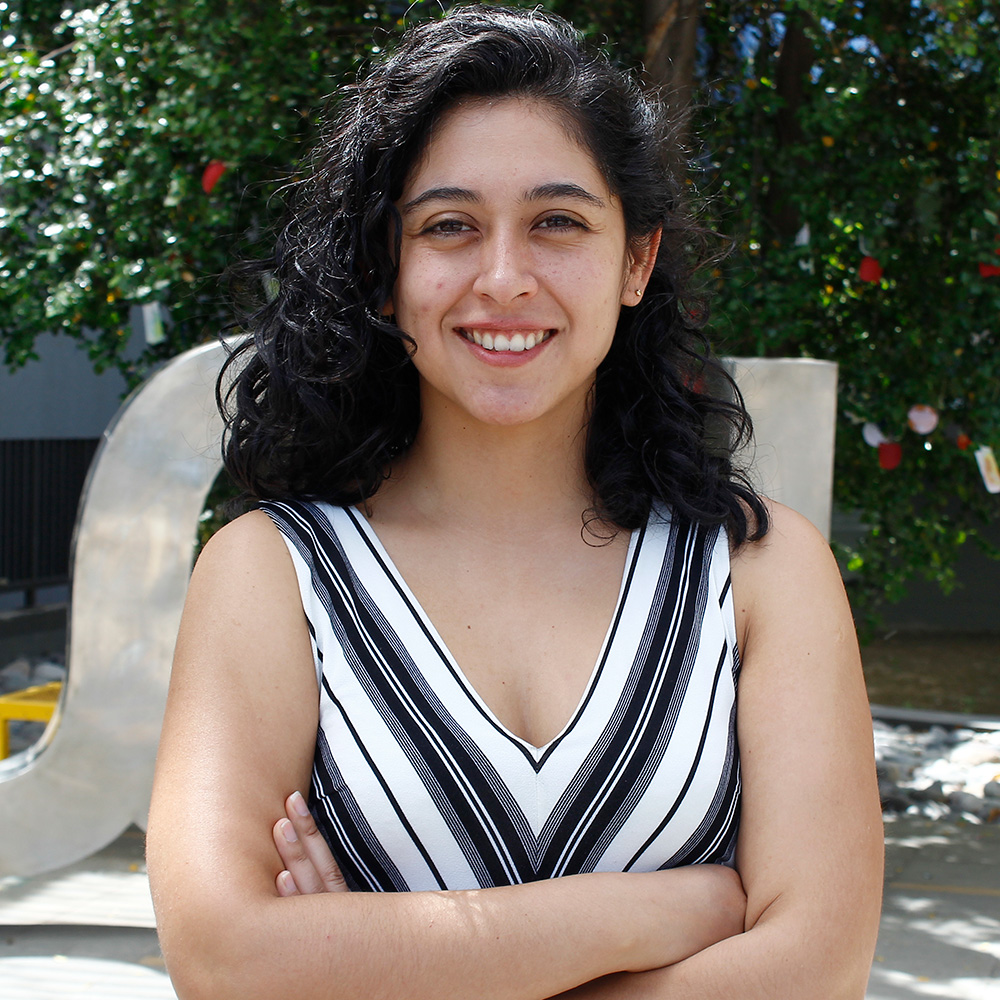
Carolina Pérez Arredondo ● Profesora Asociada
Grado Académico
Doctora en Lingüística, Lancaster University (Inglaterra).
Título(s) Profesional
Magíster en Estudios del Discurso, Lancaster University (Inglaterra) Licenciada en Letras, Mención Literatura y Lingüística Inglesa, Pontificia Universidad Católica de Chile.
Descripción
Como analista crítica del discurso, sus intereses académicos se centran en la identificación de relaciones asimétricas de poder e ideológicas en el lenguaje y prácticas sociales en el espacio público. Particularmente, Carolina ha investigado representaciones multimodales hegemónicas del movimiento estudiantil chileno y la resignificación del espacio público a través de nuevos repertorios de prácticas de protesta a partir de la revuelta social chilena. También ha publicado en revistas académicas nacionales e internacionales, y co-editado el libro Discourses from Latin America and the Caribbean publicado por Palgrave UK (2019). Asimismo, Carolina co-coordina el grupo de Estudios Críticos del Discurso de la delegación chilena de la Asociación Latinoamericana de Estudios del Discurso ALED y es miembro de EDiSo y REDLEM. Actualmente, su investigación se centra en el rol del lenguaje en la construcción de discursos sobre identidad, interculturalidad e inmigración en aulas multiculturales.
28
6
2
11
1
- REVISTA Journal of Gender Studies
- 2025
A decolonial and intersectional approach to identity in multicultural education: The case of the Haitian community in Chile
• Carolina Pérez Arredondo
- REVISTA Journal of Gender Studies
- 2025
Intersecting inequalities: towards a critical discursive approach
• Eleonora Esposito • Carolina Pérez Arredondo • Angela Zottola
- REVISTA Discourse, Context & Media
- 2025
A multimodal discursive approach to translanguaging and identity in Chilean social media
• Carolina Pérez Arredondo • Daniela Isabel Avello García • Luis Cárcamo Ulloa
- REVISTA Journal of Language and Discrimination
- 2025
Immigrant-friendly stakeholders and the use of Twitter as a digital third space in Chile: Is that so?
• Carolina Pérez Arredondo • Anna Ivanova • Eduardo Graells-Garrido
- REVISTA Websci 25
- 2025
The Role of Organizations in Networked Mobilization: Examining the 2011 Chilean Student Movement Through The Logic of Connective Action
• Diego Gómez-Zara • Carolina Pérez Arredondo • Denis Parra
- REVISTA Revista Brasileira de Linguística Aplicada
- 2024
Conceptualizations and enactments of precariousness and interculturality in multicultural schools and educational policies in Chile
• Carolina Pérez Arredondo • Margarita Calderón López • Francisca Arenas Torres
- REVISTA Revista Latinoamericana de Estudios del Discurso
- 2024
Representaciones mediáticas de la prensa chilena en Facebook para el proceso constituyente
• Carolina Pérez Arredondo • Luis Cárcamo Ulloa
http://dx.doi.org/https://periodicos.unb.br/index.php/raled/article/view/50685
- REVISTA Discurso & Sociedad
- 2024
Evaluación, calificación y promoción escolar en el Decreto 67 en Chile: Análisis discursivo de las perspectivas conceptuales y de los roles de los actores educacionales
• Damián Ruz López • Carolina Pérez Arredondo • Gerardo Bañales Faz
- REVISTA Acta Psychologica
- 2024
The Carnival as a transformative pedagogical practice for social change: A case study from Chile
• Carla Fardella • Carolina Pérez Arredondo • Claudio Broitman • Natascha Roth-Eichin
- REVISTA Lenguas Modernas
- 2023
Conceptualizaciones y representaciones sobre identidad e interculturalidad en las políticas públicas y educativas sobre pueblos originarios y migrantes en Chile: Una mirada desde la enseñanza del lenguaje
• Margarita Calderón López • Carolina Pérez Arredondo
- REVISTA Literatura & Lingüística
- 2023
La Construcción de una Narrativa Mítica Multimodal del Negro Matapacos tras las Protestas del 18-O En Chile
• Camila Cárdenas-Neira • Carolina Pérez Arredondo
- REVISTA Journal of Language and Politics
- 2023
The construction and legitimation of Elisa Loncón as a Mapuche female political leader on Instagram
• Carolina Pérez Arredondo • Camila Cárdenas-Neira • Luis Cárcamo Ulloa
- REVISTA Arboles y Rizomas
- 2023
Paisajes semióticos de protesta y recontextualización de memorias históricas durante la revuelta social chilena (2019-2020)
• Camila Cárdenas-Neira • Carolina Pérez Arredondo
- REVISTA Revista Educación
- 2022
Parent and Teacher Perceptions of Gradeless Assessment and its Relationship with Education Commodification: A Case Study
• Carolina Pérez Arredondo • Angela Bernales Carrasco
- REVISTA Revista Educación
- 2022
Parent and Teacher Perceptions of Gradeless Assessment and its Relationship with Education Commodification: A Case Study
• Carolina Pérez Arredondo • Angela Bernales-Carrasco
- REVISTA Journal of Language Aggression and Conflict
- 2021
Twitter and abortion
• Carolina Pérez Arredondo • Eduardo Graells-Garrido
- REVISTA Bulletin of Spanish Studies
- 2021
Prácticas discursivas insurgentes y ocupación de espacios urbanos: análisis de los paisajes semióticos creados en dos ciudades de Chile durante la revuelta social (2019-2020)
• Camila Cárdenas-Neira • Carolina Pérez Arredondo
- REVISTA Critical Discourse Studies
- 2021
‘The rapist is you’: semiotics and regional recontextualizations of the feminist protest ‘a rapist in your way’ in Latin America
• Carolina Pérez Arredondo • Camila Cárdenas-Neira
- REVISTA Discursive Approaches to Sociopolitical Polarization and Conflict
- 2021
Polarization and the Educational Conflict
• Camila Cárdenas-Neira • Carolina Pérez Arredondo
- REVISTA Discourse & Communication
- 2019
Space and legitimation: The multimodal representation of public space in news broadcast reports on Hooded Rioters
• Carolina Pérez Arredondo • Camila Cárdenas-Neira
- REVISTA Communication & Society
- 2019
Motives and social actor positioning: the representation of the Chilean student movement in the national press
• Carolina Pérez Arredondo
- REVISTA Discourses from Latin America and the Caribbean
- 2018
Introduction
• Eleonora Esposito • Carolina Pérez Arredondo • José Manuel Ferreiro
- REVISTA Discourses from Latin America and the Caribbean
- 2018
The Hooded Student as a Metaphor: Multimodal Recontextualization of the Chilean Student Movement in a Broadcast News Report
• Carolina Pérez Arredondo • Camila Cárdenas-Neira
- REVISTA Discourses of Disorder
- 2018
3 Why Do They Protest?: The Discursive Construction of ‘Motive’ in Relation to the Chilean Student Movement in the National Alternative Press (2011-13)
• Carolina Pérez Arredondo
- REVISTA Literatura y lingüística
- 2018
Recontextualización multimodal de las acciones y motivaciones del movimiento estudiantil chileno en un reportaje de televisión
• Camila Cárdenas Neira • Carolina Pérez Arredondo
- REVISTA Revista Austral de Ciencias Sociales
- 2016
La representación visual del movimiento estudiantil chileno en la prensa establecida y alternativa nacional: Un análisis multimodal
• Carolina Pérez Arredondo
- REVISTA Discurso & Sociedad
- 2014
La evolución de la construcción discursiva de las trabajadoras domésticas en Chile: Una combinación de análisis crítico del discurso y lingüística de corpus
• Carolina Pérez Arredondo
- REVISTA Logos: Revista De Lingüística, Filosofía Y Literatura
- 2012
The Chilean Student Movement and the Media: A comparative analysis on the linguistic representation of the 04 August, 2011 manifestation in right-wing and left-wing newspapers
• Carolina Pérez Arredondo
- Abril 2026
AdjudicadoAgencia Nacional de Investigación y Desarrollo - ANID
Language and interculturality: An examination of mediated practices in the conceptualization and implementation of interculturality in the Spanish, Ancestral Languages, and English as a foreign language school subjects
[vc_section el_class="container mx-auto align-items-center circle--pattern" css=".vc_custom_1648956589196{padding-top: 3rem !important;}"][vc_row el_class="pb-5"][vc_column][vc_wp_custommenu nav_menu="6"][uoh_breadcrumb_component automatic_breadcrumb="true"][uoh_title_component title_dropdown="big" title_decorator="true"]{{title}}[/uoh_title_component][vc_column_text css=""]The rapid increase in immigration and the presence of different Indigenous peoples in the country have resulted in culturally diverse classrooms in Chile. Cultural differences are significant for communication (Otten & Geppert, 2009) and teaching processes (Liddicoat & Scarino, 2013). Hence, intercultural interactions correspond to embodied culture discourses (Carbaugh, 2017; Shi-xu, 2023), which entail the communication practices that take place at institutional levels (i.e., top-down) and language classrooms (i.e., bottom-up). However, some tensions have been identified in these processes, particularly because they seem to maintain cultural and linguistic hierarchies that do not necessarily promote the social mobility or acceptance of minoritized groups (Flores & Rosa, 2015; Unamuno, 2016; Zavala, 2017). Against this backdrop, discursive practices are at the core of how these raciolinguistic hierarchies are maintained, negotiated, and/or challenged by educational communities. Consequently, the main objective of this research proposal is to examine how language and interculturality are discursively conceptualized and implemented in culturally diverse Chilean schools, specifically within three language subjects: Spanish, Ancestral Languages, and English as a Foreign Language. This objective is articulated through the following research question: How are language and interculturality discursively conceptualized and implemented in culturally diverse Chilean schools across the subjects of Spanish, Ancestral Languages, and English as a Foreign Language? To address this question, the project outlines four specific objectives (SOs): SO1) To examine how interculturality is discursively constructed in educational policies and the national curriculum on language subjects (i.e., Spanish, Ancestral Languages, and English as a Foreign Language); SO2) To assess how language teachers understand and implement intercultural practices in Chile, highlighting areas of convergence and divergence; SO3) To analyze how school communities discursively construct interculturality on their schoolscapes; and SO4) To analyze how language teachers actions and decisions address interculturality in the language classroom.
The proposed research is a mixed-methods study (Creswell & Plano, 2018). First, we will analyze a corpus of institutional pedagogical discourses to examine how interculturality is discursively constructed in educational policies and the national curriculum (SO1). To this end, the data will be examined from a Corpus-Assisted Approach to Discourse Studies (CADS) (Partington et al., 2013) following the guidelines proposed by Jaworska and Kinloch (2018, p. 116) for a thorough and systematic examination of multiple datasets in CADS. The first quantitative stage considers the analysis of frequency, concordance lines, collocations, and keywords. The second qualitative stage is informed by Bacchi's (2012) model, What's the Problem Represented to be? (or WPR) and the Discourse-Historical Approach (Reisigl, 2017; Reisigl & Wodak, 2016). Second, we will conduct a questionnaire to identify how language teachers understand interculturality and intercultural practices in their classrooms (SO2). The sampling considers a disproportionate stratification to enable similar sample sizes for Spanish and EFL teachers, and Traditional Educators, ensuring the representation of Traditional Educators, who are the smallest population (CEM Mineduc, 2024). Third, we will analyze how school communities discursively construct interculturality on their school grounds (SO3) through the examination of schoolscapes (Gorter & Cenoz, 2015). To this end, three schools across three regions will be selected (i.e., Tarapacá, Metropolitan, and Araucanía) to ensure geographic representativeness. The data will be analyzed in light of Ledin and Machins multimodality framework (2017, 2018, 2019) as it incorporates the materiality of the semiotic signs, the ideologies and beliefs behind the creation of multimodal texts, and the recontextualization of social actors and practices (van Leeuwen, 2008). Finally, we analyze the actions and decisions language teachers take to address interculturality in the language classroom (SO4) through classroom observation (minimum 48 pedagogical hours in total; four hours per language subject) in the same schools. These observations will be analyzed using the synopsis technique (Dolz et al., 2018; Schneuwly & Dolz, 2009), which allows us to both hierarchize central pedagogical sequences and examine teachers' actions and students' reactions in detail. In turn, it enables data reduction and serves as heuristic support for analysis.
Expected results seek to enlighten how educators co-create language and interculturality in culturally diverse schools. It examines how these social actors recontextualize and mediate top-down policies to their daily realities, thus illuminating the negotiation and resemiotization of hegemonic understandings of interculturality in line with the needs of their own communities (bottom-up practices).[/vc_column_text][/vc_column][/vc_row][/vc_section][vc_section css=".vc_custom_1649209804184{background-color: #f6faff !important;}" el_class="p-md-0 pt-md-5"][vc_row el_class="container mx-auto align-items-center p-md-0 pt-5"][vc_column el_class="p-0"][/vc_column][/vc_row][/vc_section][vc_section css=".vc_custom_1649210787516{background-color: #f6faff !important;}" el_class="p-md-0 pt-md-5 pb-md-5"][vc_row el_class="container mx-auto align-items-center"][vc_column][/vc_column][/vc_row][/vc_section]
Investigador/a Responsable
- Abril 2026
AdjudicadoAgencia Nacional de Investigación y Desarrollo - ANID
Language and interculturality: An examination of mediated practices in the conceptualization and implementation of interculturality in the Spanish, Ancestral Languages, and English as a foreign language school subjects
[vc_section el_class="container mx-auto align-items-center circle--pattern" css=".vc_custom_1648956589196{padding-top: 3rem !important;}"][vc_row el_class="pb-5"][vc_column][vc_wp_custommenu nav_menu="6"][uoh_breadcrumb_component automatic_breadcrumb="true"][uoh_title_component title_dropdown="big" title_decorator="true"]{{title}}[/uoh_title_component][vc_column_text css=""]The rapid increase in immigration and the presence of different Indigenous peoples in the country have resulted in culturally diverse classrooms in Chile. Cultural differences are significant for communication (Otten & Geppert, 2009) and teaching processes (Liddicoat & Scarino, 2013). Hence, intercultural interactions correspond to embodied culture discourses (Carbaugh, 2017; Shi-xu, 2023), which entail the communication practices that take place at institutional levels (i.e., top-down) and language classrooms (i.e., bottom-up). However, some tensions have been identified in these processes, particularly because they seem to maintain cultural and linguistic hierarchies that do not necessarily promote the social mobility or acceptance of minoritized groups (Flores & Rosa, 2015; Unamuno, 2016; Zavala, 2017). Against this backdrop, discursive practices are at the core of how these raciolinguistic hierarchies are maintained, negotiated, and/or challenged by educational communities. Consequently, the main objective of this research proposal is to examine how language and interculturality are discursively conceptualized and implemented in culturally diverse Chilean schools, specifically within three language subjects: Spanish, Ancestral Languages, and English as a Foreign Language. This objective is articulated through the following research question: How are language and interculturality discursively conceptualized and implemented in culturally diverse Chilean schools across the subjects of Spanish, Ancestral Languages, and English as a Foreign Language? To address this question, the project outlines four specific objectives (SOs): SO1) To examine how interculturality is discursively constructed in educational policies and the national curriculum on language subjects (i.e., Spanish, Ancestral Languages, and English as a Foreign Language); SO2) To assess how language teachers understand and implement intercultural practices in Chile, highlighting areas of convergence and divergence; SO3) To analyze how school communities discursively construct interculturality on their schoolscapes; and SO4) To analyze how language teachers actions and decisions address interculturality in the language classroom.
The proposed research is a mixed-methods study (Creswell & Plano, 2018). First, we will analyze a corpus of institutional pedagogical discourses to examine how interculturality is discursively constructed in educational policies and the national curriculum (SO1). To this end, the data will be examined from a Corpus-Assisted Approach to Discourse Studies (CADS) (Partington et al., 2013) following the guidelines proposed by Jaworska and Kinloch (2018, p. 116) for a thorough and systematic examination of multiple datasets in CADS. The first quantitative stage considers the analysis of frequency, concordance lines, collocations, and keywords. The second qualitative stage is informed by Bacchi's (2012) model, What's the Problem Represented to be? (or WPR) and the Discourse-Historical Approach (Reisigl, 2017; Reisigl & Wodak, 2016). Second, we will conduct a questionnaire to identify how language teachers understand interculturality and intercultural practices in their classrooms (SO2). The sampling considers a disproportionate stratification to enable similar sample sizes for Spanish and EFL teachers, and Traditional Educators, ensuring the representation of Traditional Educators, who are the smallest population (CEM Mineduc, 2024). Third, we will analyze how school communities discursively construct interculturality on their school grounds (SO3) through the examination of schoolscapes (Gorter & Cenoz, 2015). To this end, three schools across three regions will be selected (i.e., Tarapacá, Metropolitan, and Araucanía) to ensure geographic representativeness. The data will be analyzed in light of Ledin and Machins multimodality framework (2017, 2018, 2019) as it incorporates the materiality of the semiotic signs, the ideologies and beliefs behind the creation of multimodal texts, and the recontextualization of social actors and practices (van Leeuwen, 2008). Finally, we analyze the actions and decisions language teachers take to address interculturality in the language classroom (SO4) through classroom observation (minimum 48 pedagogical hours in total; four hours per language subject) in the same schools. These observations will be analyzed using the synopsis technique (Dolz et al., 2018; Schneuwly & Dolz, 2009), which allows us to both hierarchize central pedagogical sequences and examine teachers' actions and students' reactions in detail. In turn, it enables data reduction and serves as heuristic support for analysis.
Expected results seek to enlighten how educators co-create language and interculturality in culturally diverse schools. It examines how these social actors recontextualize and mediate top-down policies to their daily realities, thus illuminating the negotiation and resemiotization of hegemonic understandings of interculturality in line with the needs of their own communities (bottom-up practices).[/vc_column_text][/vc_column][/vc_row][/vc_section][vc_section css=".vc_custom_1649209804184{background-color: #f6faff !important;}" el_class="p-md-0 pt-md-5"][vc_row el_class="container mx-auto align-items-center p-md-0 pt-5"][vc_column el_class="p-0"][/vc_column][/vc_row][/vc_section][vc_section css=".vc_custom_1649210787516{background-color: #f6faff !important;}" el_class="p-md-0 pt-md-5 pb-md-5"][vc_row el_class="container mx-auto align-items-center"][vc_column][/vc_column][/vc_row][/vc_section]
Investigador/a Responsable
- Abril 2026
AdjudicadoAgencia Nacional de Investigación y Desarrollo - ANID
1260236_Language and interculturality: An examination of mediated practices in the conceptualization and implementation of interculturality in the Spanish, Ancestral Languages, and English as a foreign language school subjects
[vc_section el_class="container mx-auto align-items-center circle--pattern" css=".vc_custom_1648956589196{padding-top: 3rem !important;}"][vc_row el_class="pb-5"][vc_column][vc_wp_custommenu nav_menu="6"][uoh_breadcrumb_component automatic_breadcrumb="true"][uoh_title_component title_dropdown="big" title_decorator="true"]{{title}}[/uoh_title_component][vc_column_text css=""]The rapid increase in immigration and the presence of different Indigenous peoples in the country have resulted in culturally diverse classrooms in Chile. Cultural differences are significant for communication (Otten & Geppert, 2009) and teaching processes (Liddicoat & Scarino, 2013). Hence, intercultural interactions correspond to embodied culture discourses (Carbaugh, 2017; Shi-xu, 2023), which entail the communication practices that take place at institutional levels (i.e., top-down) and language classrooms (i.e., bottom-up). However, some tensions have been identified in these processes, particularly because they seem to maintain cultural and linguistic hierarchies that do not necessarily promote the social mobility or acceptance of minoritized groups (Flores & Rosa, 2015; Unamuno, 2016; Zavala, 2017). Against this backdrop, discursive practices are at the core of how these raciolinguistic hierarchies are maintained, negotiated, and/or challenged by educational communities. Consequently, the main objective of this research proposal is to examine how language and interculturality are discursively conceptualized and implemented in culturally diverse Chilean schools, specifically within three language subjects: Spanish, Ancestral Languages, and English as a Foreign Language. This objective is articulated through the following research question: How are language and interculturality discursively conceptualized and implemented in culturally diverse Chilean schools across the subjects of Spanish, Ancestral Languages, and English as a Foreign Language? To address this question, the project outlines four specific objectives (SOs): SO1) To examine how interculturality is discursively constructed in educational policies and the national curriculum on language subjects (i.e., Spanish, Ancestral Languages, and English as a Foreign Language); SO2) To assess how language teachers understand and implement intercultural practices in Chile, highlighting areas of convergence and divergence; SO3) To analyze how school communities discursively construct interculturality on their schoolscapes; and SO4) To analyze how language teachers actions and decisions address interculturality in the language classroom.
The proposed research is a mixed-methods study (Creswell & Plano, 2018). First, we will analyze a corpus of institutional pedagogical discourses to examine how interculturality is discursively constructed in educational policies and the national curriculum (SO1). To this end, the data will be examined from a Corpus-Assisted Approach to Discourse Studies (CADS) (Partington et al., 2013) following the guidelines proposed by Jaworska and Kinloch (2018, p. 116) for a thorough and systematic examination of multiple datasets in CADS. The first quantitative stage considers the analysis of frequency, concordance lines, collocations, and keywords. The second qualitative stage is informed by Bacchi's (2012) model, What's the Problem Represented to be? (or WPR) and the Discourse-Historical Approach (Reisigl, 2017; Reisigl & Wodak, 2016). Second, we will conduct a questionnaire to identify how language teachers understand interculturality and intercultural practices in their classrooms (SO2). The sampling considers a disproportionate stratification to enable similar sample sizes for Spanish and EFL teachers, and Traditional Educators, ensuring the representation of Traditional Educators, who are the smallest population (CEM Mineduc, 2024). Third, we will analyze how school communities discursively construct interculturality on their school grounds (SO3) through the examination of schoolscapes (Gorter & Cenoz, 2015). To this end, three schools across three regions will be selected (i.e., Tarapacá, Metropolitan, and Araucanía) to ensure geographic representativeness. The data will be analyzed in light of Ledin and Machins multimodality framework (2017, 2018, 2019) as it incorporates the materiality of the semiotic signs, the ideologies and beliefs behind the creation of multimodal texts, and the recontextualization of social actors and practices (van Leeuwen, 2008). Finally, we analyze the actions and decisions language teachers take to address interculturality in the language classroom (SO4) through classroom observation (minimum 48 pedagogical hours in total; four hours per language subject) in the same schools. These observations will be analyzed using the synopsis technique (Dolz et al., 2018; Schneuwly & Dolz, 2009), which allows us to both hierarchize central pedagogical sequences and examine teachers' actions and students' reactions in detail. In turn, it enables data reduction and serves as heuristic support for analysis.
Expected results seek to enlighten how educators co-create language and interculturality in culturally diverse schools. It examines how these social actors recontextualize and mediate top-down policies to their daily realities, thus illuminating the negotiation and resemiotization of hegemonic understandings of interculturality in line with the needs of their own communities (bottom-up practices).[/vc_column_text][/vc_column][/vc_row][/vc_section][vc_section css=".vc_custom_1649209804184{background-color: #f6faff !important;}" el_class="p-md-0 pt-md-5"][vc_row el_class="container mx-auto align-items-center p-md-0 pt-5"][vc_column el_class="p-0"][/vc_column][/vc_row][/vc_section][vc_section css=".vc_custom_1649210787516{background-color: #f6faff !important;}" el_class="p-md-0 pt-md-5 pb-md-5"][vc_row el_class="container mx-auto align-items-center"][vc_column][/vc_column][/vc_row][/vc_section]
Investigador/a Responsable
- Abril 2026
AdjudicadoAgencia Nacional de Investigación y Desarrollo - ANID
1260236_Language and interculturality: An examination of mediated practices in the conceptualization and implementation of interculturality in the Spanish, Ancestral Languages, and English as a foreign language school subjects
[vc_section el_class="container mx-auto align-items-center circle--pattern" css=".vc_custom_1648956589196{padding-top: 3rem !important;}"][vc_row el_class="pb-5"][vc_column][vc_wp_custommenu nav_menu="6"][uoh_breadcrumb_component automatic_breadcrumb="true"][uoh_title_component title_dropdown="big" title_decorator="true"]{{title}}[/uoh_title_component][vc_column_text css=""]The rapid increase in immigration and the presence of different Indigenous peoples in the country have resulted in culturally diverse classrooms in Chile. Cultural differences are significant for communication (Otten & Geppert, 2009) and teaching processes (Liddicoat & Scarino, 2013). Hence, intercultural interactions correspond to embodied culture discourses (Carbaugh, 2017; Shi-xu, 2023), which entail the communication practices that take place at institutional levels (i.e., top-down) and language classrooms (i.e., bottom-up). However, some tensions have been identified in these processes, particularly because they seem to maintain cultural and linguistic hierarchies that do not necessarily promote the social mobility or acceptance of minoritized groups (Flores & Rosa, 2015; Unamuno, 2016; Zavala, 2017). Against this backdrop, discursive practices are at the core of how these raciolinguistic hierarchies are maintained, negotiated, and/or challenged by educational communities. Consequently, the main objective of this research proposal is to examine how language and interculturality are discursively conceptualized and implemented in culturally diverse Chilean schools, specifically within three language subjects: Spanish, Ancestral Languages, and English as a Foreign Language. This objective is articulated through the following research question: How are language and interculturality discursively conceptualized and implemented in culturally diverse Chilean schools across the subjects of Spanish, Ancestral Languages, and English as a Foreign Language? To address this question, the project outlines four specific objectives (SOs): SO1) To examine how interculturality is discursively constructed in educational policies and the national curriculum on language subjects (i.e., Spanish, Ancestral Languages, and English as a Foreign Language); SO2) To assess how language teachers understand and implement intercultural practices in Chile, highlighting areas of convergence and divergence; SO3) To analyze how school communities discursively construct interculturality on their schoolscapes; and SO4) To analyze how language teachers actions and decisions address interculturality in the language classroom.
The proposed research is a mixed-methods study (Creswell & Plano, 2018). First, we will analyze a corpus of institutional pedagogical discourses to examine how interculturality is discursively constructed in educational policies and the national curriculum (SO1). To this end, the data will be examined from a Corpus-Assisted Approach to Discourse Studies (CADS) (Partington et al., 2013) following the guidelines proposed by Jaworska and Kinloch (2018, p. 116) for a thorough and systematic examination of multiple datasets in CADS. The first quantitative stage considers the analysis of frequency, concordance lines, collocations, and keywords. The second qualitative stage is informed by Bacchi's (2012) model, What's the Problem Represented to be? (or WPR) and the Discourse-Historical Approach (Reisigl, 2017; Reisigl & Wodak, 2016). Second, we will conduct a questionnaire to identify how language teachers understand interculturality and intercultural practices in their classrooms (SO2). The sampling considers a disproportionate stratification to enable similar sample sizes for Spanish and EFL teachers, and Traditional Educators, ensuring the representation of Traditional Educators, who are the smallest population (CEM Mineduc, 2024). Third, we will analyze how school communities discursively construct interculturality on their school grounds (SO3) through the examination of schoolscapes (Gorter & Cenoz, 2015). To this end, three schools across three regions will be selected (i.e., Tarapacá, Metropolitan, and Araucanía) to ensure geographic representativeness. The data will be analyzed in light of Ledin and Machins multimodality framework (2017, 2018, 2019) as it incorporates the materiality of the semiotic signs, the ideologies and beliefs behind the creation of multimodal texts, and the recontextualization of social actors and practices (van Leeuwen, 2008). Finally, we analyze the actions and decisions language teachers take to address interculturality in the language classroom (SO4) through classroom observation (minimum 48 pedagogical hours in total; four hours per language subject) in the same schools. These observations will be analyzed using the synopsis technique (Dolz et al., 2018; Schneuwly & Dolz, 2009), which allows us to both hierarchize central pedagogical sequences and examine teachers' actions and students' reactions in detail. In turn, it enables data reduction and serves as heuristic support for analysis.
Expected results seek to enlighten how educators co-create language and interculturality in culturally diverse schools. It examines how these social actors recontextualize and mediate top-down policies to their daily realities, thus illuminating the negotiation and resemiotization of hegemonic understandings of interculturality in line with the needs of their own communities (bottom-up practices).[/vc_column_text][/vc_column][/vc_row][/vc_section][vc_section css=".vc_custom_1649209804184{background-color: #f6faff !important;}" el_class="p-md-0 pt-md-5"][vc_row el_class="container mx-auto align-items-center p-md-0 pt-5"][vc_column el_class="p-0"][/vc_column][/vc_row][/vc_section][vc_section css=".vc_custom_1649210787516{background-color: #f6faff !important;}" el_class="p-md-0 pt-md-5 pb-md-5"][vc_row el_class="container mx-auto align-items-center"][vc_column][/vc_column][/vc_row][/vc_section]
Investigador/a Responsable
- Abril 2025
En EjecuciónAgencia Nacional de Investigación y Desarrollo - ANID
Media Framing of the Securitization of "Migration Crisis" in Chile: A longitudinal study of the national mainstream press, 2014-2026.
[vc_section el_class="container mx-auto align-items-center circle--pattern" css=".vc_custom_1648956589196{padding-top: 3rem !important;}"][vc_row el_class="pb-5"][vc_column][vc_wp_custommenu nav_menu="6"][uoh_breadcrumb_component automatic_breadcrumb="true"][uoh_title_component title_dropdown="big" title_decorator="true"]{{title}}[/uoh_title_component][vc_column_text css=""]The nation-state is an organization defined by two principles: its interests (e.g., political, economic, cultural) and its security. Therefore, states constantly seek survival, in which security plays a prominent role, surpassing all other issues (Waltz, 1979). The extent to which the movement of people across international borders has become a security issue is evident in how the migration-security nexus is prevalent in the current public and media debate around the globe, including Chile. This proposal stands on the premise that in a democratic society, mainstream media press is a highly significant actor in influencing levels of public concern and shaping people's attitudes towards social developments and phenomena, including migration and its securitization (Scherman et al., 2022; Ekman & Krzyzanowski, 2021). The representation of immigrants in mainstream media press creates opportunities for immigrants to either become part of society or be excluded from the public sphere.
The main objective of this proposal is to analyze the media framing of the securitization of the "migration crisis" in the Chilean mainstream media press during 2014-2026. Further on, this main objective is broken down into three specific objectives (SO), namely:
SO1: To identify the media news frames of the securitization of the "migration crisis" in Chilean mainstream press during 2014-2026.
SO2: To analyze the consolidation of media news frames of the securitization of the "migration crisis" in Chilean mainstream press during 2014-2026.
SO3: To compare the media news frames of the securitization of the "migration crisis" between the Northern, the Southern, and the Metropolitan Regions' mainstream press during 2014-2026.
The empirical part includes the analysis of all informative pieces concerning the issues of security and immigration collected from the national editions of seven leading Chilean newspapers published in the Northern, Metropolitan, and Southern regions throughout a decade timespan (2014-2026). Such an elaborate dataset will reveal systematic longitudinal analysis across time, regions, and media outlets, providing a profound understanding of Chile's securitization of the "migration crisis."
The proposed methodological paths for each SO are: SO1 will employ news framing analysis (de Vreese, 2005; Muñiz, 2011) to identify the media coverage frames of the securitization of the "migration crisis," applying a manual qualitative content analysis using Atlas. Ti 23 software for better coding manageability (Kovar, 2023; Vázquez-Herrero et al., 2022; Sarah-Liu, 2021). We will follow an inductive approach in which frames emerge from the collected corpus in situ (Semetko & Valkenburg, 2000) since it broadens the possibility of discovering a more amplified list of frames, thus contributing to a deeper analysis of the issue. SO2 will use a frequency analysis in Atlas.ti 23 and in Microsoft Excel (v2023) to identify and examine the most prominent media frames over the selected period. SO3 will follow a comparative analysis (Collier, 1993) to define similarities and/or differences between a) different media conglomerates (El Mercurio S.A.P and COPESA S.A) and independent outlets (Publimetro) and b) the Northern, the Metropolitan, and the Southern regions over the selected period. In addition, our longitudinal data (2014-2026) allows us to study possible changes in media framing covering the migration-security nexus over a decade, providing a comprehensive study on the issue currently under development across the national mainstream press.
The main expected result is the generation of empirical evidence that advances understanding of the dominant frames of the securitization of the "migration crisis" in Chile. Given that most of the previous and current research on media securitization of migration has been EU or US-centered, our project calls for de-Westernizing this issue by contributing to a Latin American perspective to expand the geographical reach of research beyond European and US borders. As such, it offers new insights into the complexities of the securitization of the "migration crisis" in Chilean media and will contribute to the area of Communication and Social Studies and anyone interested in migration and security issues. Likewise, since the securitization of migration reinforces a politics of fear and racism (Wodak, 2015), our findings may also concern the Ministry of the Interior and Public Security, which is responsible for public policies and laws regarding immigration. The association of migration with security can be reflected in laws and policies that the country may adopt toward migrants through limiting access to certain nationalities, changes in visa procedures, higher security controls, and, most importantly, deterioration of the rights of migrants (Planas Gifra, 2024).
Finally, as this project will empirically identify migration-security patterns in the mainstream press and track their evolution, identifying potential shifts over a decade's time span, it will help us raise public and service awareness in Chile by generating policy papers, infographics, and seminars for the lay public and opinion columns in local and national media, among others.[/vc_column_text][/vc_column][/vc_row][/vc_section][vc_section css=".vc_custom_1649209804184{background-color: #f6faff !important;}" el_class="p-md-0 pt-md-5"][vc_row el_class="container mx-auto align-items-center p-md-0 pt-5"][vc_column el_class="p-0"][/vc_column][/vc_row][/vc_section][vc_section css=".vc_custom_1649210787516{background-color: #f6faff !important;}" el_class="p-md-0 pt-md-5 pb-md-5"][vc_row el_class="container mx-auto align-items-center"][vc_column][/vc_column][/vc_row][/vc_section]
Co-Investigador/a
- Diciembre 2024
En EjecuciónUniversidad de O'Higgins
Migración en Chile: ¿Integración o exclusión? Un análisis de los encuadres mediáticos y narrativas gubernamentales en Instagram.
[vc_section el_class="container mx-auto align-items-center circle--pattern" css=".vc_custom_1648956589196{padding-top: 3rem !important;}"][vc_row el_class="pb-5"][vc_column][vc_wp_custommenu nav_menu="6"][uoh_breadcrumb_component automatic_breadcrumb="true"][uoh_title_component title_dropdown="big" title_decorator="true"]{{title}}[/uoh_title_component][vc_column_text css=""]Los conflictos militares no resueltos y las desigualdades persistentes entre países desarrollados y menos desarrollados hacen de la migración un tema prioritario en las agendas públicas y políticas globales. Los medios de comunicación han fomentado la percepción de la migración como crisis, a menudo presentándola como un problema (Stefoni el al., 2023). La representación de la migración como un problema es prominente en los medios, influenciando la opinión pública y generando actitudes negativas hacia los inmigrantes. Sin embargo, existe poca evidencia sistemática sobre cómo el Gobierno chileno representa la migración a nivel oficial.
Este proyecto analiza cómo los medios influencian las percepciones públicas sobre la migración en Chile, centrándose en el Servicio Nacional de Migraciones. Particularmente, se investiga la forma en que el Gobierno chileno comunica informaciones relativas a los inmigrantes durante el mandato de Gabriel Boric (2022-2024), desde su cuenta oficial de Instagram, enfocándose en la configuración de la agenda y el encuadre mediático. Es por ello por lo que el objetivo principal es analizar los encuadres mediáticos sobre inmigración en la cuenta oficial de Instagram del Servicio Nacional de Migraciones durante el gobierno de Gabriel Boric. Los objetivos específicos son:
Identificar los encuadres mediáticos más prominentes sobre inmigración en Instagram del Servicio Nacional de Migraciones.
Analizar cómo se construye discursivamente la migración en dicha plataforma.
El estudio utilizará la herramienta Crowtangle para recolectar publicaciones de Instagram del Servicio Nacional de Migraciones, de marzo 2022 a marzo 2024. Se realizará un análisis de contenido cualitativo manual utilizando el software Atlas.Ti. Se identificarán palabras clave, imágenes y otros elementos significativos para evaluar cómo se enmarcan los temas inmigratorios. Adicionalmente, se utilizará el Enfoque Histórico-Discursivo para evaluar la construcción discursiva de las publicaciones, complementando con taxonomías de representación de actores sociales y análisis de hashtags. Esta metodología mixta ayudará a revelar patrones en la manera en que el Gobierno chileno comunica la migración y cómo influye en las actitudes públicas hacia este fenómeno.[/vc_column_text][/vc_column][/vc_row][/vc_section][vc_section css=".vc_custom_1649209804184{background-color: #f6faff !important;}" el_class="p-md-0 pt-md-5"][vc_row el_class="container mx-auto align-items-center p-md-0 pt-5"][vc_column el_class="p-0"][/vc_column][/vc_row][/vc_section][vc_section css=".vc_custom_1649210787516{background-color: #f6faff !important;}" el_class="p-md-0 pt-md-5 pb-md-5"][vc_row el_class="container mx-auto align-items-center"][vc_column][/vc_column][/vc_row][/vc_section]
Co-Investigador/a
- Abril 2024 - Marzo 2028
En EjecuciónAgencia Nacional de Investigación y Desarrollo - ANID
1241726_Discursos de odio en redes sociales: Una aproximación interdisciplinar para comprender el fenómeno y elaborar propuestas educomunicativas que fomenten la formación de nuevas ciudadanías
[vc_section el_class="container mx-auto align-items-center circle--pattern" css=".vc_custom_1648956589196{padding-top: 3rem !important;}"][vc_row el_class="pb-5"][vc_column][vc_wp_custommenu nav_menu="6"][uoh_breadcrumb_component automatic_breadcrumb="true"][uoh_title_component title_dropdown="big" title_decorator="true"]{{title}}[/uoh_title_component][vc_column_text css=""]Los tiempos actuales han facilitado nuevos medios de expresión e interacción como son las redes sociales. Estas plataformas, desde unos orígenes que bien podrían definirse como centrados en el entretenimiento, la comunicación interpersonal y la puesta en común de nuestra imagen e intereses, han pasado a convertirse en arenas de debates polarizados y nada edificantes.
En este escenario, nos parece necesario preguntarnos: ¿cómo funciona la producción y circulación cross-plataforma de discursos de odio en las redes sociales chilenas en los últimos años? Para obtener una respuesta, confiamos en que una aproximación interdisciplinar emprendida por un equipo de comunicadores, lingüistas y cientistas de datos puede proporcionar una mirada más completa y compleja sobre este problema. Nuestro objetivo general es comprender el funcionamiento cross-plataforma de los discursos de odio producidos y puestos en circulación en las redes sociales en Chile a partir de las tendencias informativas más relevantes entre 2015 y 2023. Para ello requerimos: 1) caracterizar cuantitativa y cualitativamente los tipos de discursos de odio producidos y puestos en circulación en las redes sociales en Chile a partir de las tendencias informativas más relevantes entre 2015 y 2023; 2) identificar las cuentas de origen y diseminación que hacen posible tanto la producción como la circulación cross-plataforma de los tipos de discursos de odio y sus comentarios en las redes sociales en Chile, y; 3) analizar cualitativamente las estrategias lingüísticas y semióticas usadas sistemáticamente en la producción de los tipos de discursos de odio y sus comentarios. Además, y no menos importante, proponemos diseñar un kit de recursos digitales con ejemplos y recomendaciones para fomentar estrategias de formación ciudadana que ayuden a los/as usuarios/as de estas redes sociales a leer críticamente los discursos de odio y proyectar acciones para confrontarlos o neutralizarlos. Si bien esta es una acción de divulgación científica, nos parece necesario dar un pequeño paso que proyecte incluso futuras investigaciones aplicadas.[/vc_column_text][/vc_column][/vc_row][/vc_section][vc_section css=".vc_custom_1649209804184{background-color: #f6faff !important;}" el_class="p-md-0 pt-md-5"][vc_row el_class="container mx-auto align-items-center p-md-0 pt-5"][vc_column el_class="p-0"][/vc_column][/vc_row][/vc_section][vc_section css=".vc_custom_1649210787516{background-color: #f6faff !important;}" el_class="p-md-0 pt-md-5 pb-md-5"][vc_row el_class="container mx-auto align-items-center"][vc_column][/vc_column][/vc_row][/vc_section]
Co-Investigador/a
- Enero 2023 - Diciembre 2025
En EjecuciónEasmus +
CSU4Change: Educational roadmap for transformative agency connecting School, Community and University for social change
[vc_section el_class="container mx-auto align-items-center circle--pattern" css=".vc_custom_1648956589196{padding-top: 3rem !important;}"][vc_row el_class="pb-5"][vc_column][vc_wp_custommenu nav_menu="6"][uoh_breadcrumb_component automatic_breadcrumb="true"][uoh_title_component title_dropdown="big" title_decorator="true"]{{title}}[/uoh_title_component][vc_column_text css=""]The project seeks to achieve new understandings of how schools (teachers/students), communities (homes/community centers) and universities (researchers/master students) can work together to build knowledge and engagement on contemporary issues of great importance for European societies. In this way young people will be able to take on new roles in our societies, as transformative agency towards merging social and environmental issues and their own future lives. One concrete result will be the development of a roadmap for social change and transformative agency, defined as a multimodal guideline. This will be built on projects and activities at schools in combination with results generated through the collaboration between partners on issues of transformative agency and ways of dealing with social change within schools. Another result of public interest will be emerging constellations of collaboration between educational partners and countries.[/vc_column_text][/vc_column][/vc_row][/vc_section][vc_section css=".vc_custom_1649209804184{background-color: #f6faff !important;}" el_class="p-md-0 pt-md-5"][vc_row el_class="container mx-auto align-items-center p-md-0 pt-5"][vc_column el_class="p-0"][/vc_column][/vc_row][/vc_section][vc_section css=".vc_custom_1649210787516{background-color: #f6faff !important;}" el_class="p-md-0 pt-md-5 pb-md-5"][vc_row el_class="container mx-auto align-items-center"][vc_column][/vc_column][/vc_row][/vc_section]
Co-Investigador/a
- Noviembre 2020 - Octubre 2023
FinalizadoAgencia Nacional de Investigación y Desarrollo - ANID
1120041: Pragmatic awareness and immigrant communities acquisition of a third language (L3): A study on EFL classroom teaching practices and pragmatic awareness of Haitian primary school children in Chile
[vc_section el_class="container mx-auto align-items-center circle--pattern" css=".vc_custom_1648956589196{padding-top: 3rem !important;}"][vc_row el_class="pb-5"][vc_column][vc_wp_custommenu nav_menu="6"][uoh_breadcrumb_component automatic_breadcrumb="true"][uoh_title_component title_dropdown="big" title_decorator="true"]{{title}}[/uoh_title_component][vc_column_text css=""]El objetivo principal del proyecto consiste en explorar cómo niños y niñas haitianas que viven en Chile aprenden y desarrollan la habilidad pragmática en inglés como una tercera lengua (L3) en contextos de enseñanza del inglés como lengua extranjera (L2) en contextos educativos formales y multiculturales.[/vc_column_text][/vc_column][/vc_row][/vc_section][vc_section css=".vc_custom_1649209804184{background-color: #f6faff !important;}" el_class="p-md-0 pt-md-5"][vc_row el_class="container mx-auto align-items-center p-md-0 pt-5"][vc_column el_class="p-0"][/vc_column][/vc_row][/vc_section][vc_section css=".vc_custom_1649210787516{background-color: #f6faff !important;}" el_class="p-md-0 pt-md-5 pb-md-5"][vc_row el_class="container mx-auto align-items-center"][vc_column][/vc_column][/vc_row][/vc_section]
Investigador/a Responsable
- Inglaterra -
Discourses from Latin America and the Caribbean: Current Concepts and Challenges
ISBN
N° de Páginas
302
Idioma
Inglés
Editorial
Palgrave Macmillan
Editores
Eleonora Esposito, Carolina Pérez-Arredondo; José Manuel Ferreiro
Autores
Eleonora Esposito, Carolina Pérez Arredondo, José Manuel Ferreiro
- Chile - Santiago
Miradas latinoamericanas sobre multimodalidad: Trayectorias, análisis y metodologías
ISBN
N° de Páginas
380
Idioma
Español
Editorial
Ril Editores
Editores
Liliana Vásquez Rocca, Dominique Manghi Haquin, Carolina Pérez-Arredondo
Autores
Liliana Vásquez-Rocca, Dominique Mangui Haquin, Carolina Pérez Arredondo
- Changing Perspectives: Towards Linguistic Diversity in Education
- 2026
Language learning, identity, and interaction: Findings from multicultural educational contexts in Chile.
ISBN
Páginas
Désde la página , hasta la página
Idioma
Inglés
Editorial
Springer
Editores
Stopfner, M; Guarda, M; Meier, G.
Autores
Carolina Pérez Arredondo
- Miradas latinoamericanas sobre multimodalidad: Trayectorias, análisis y metodologías
- 2024
Introducción
ISBN
Páginas
Désde la página 33, hasta la página 38
Idioma
Español
Editorial
Ril Editores
Editores
Liliana Vásquez Rocca, Dominique Manghi Haquin, Carolina Pérez-Arredondo
Autores
Liliana Vásquez-Rocca, Dominique Mangui Haquin, Carolina Pérez Arredondo
- Miradas latinoamericanas sobre multimodalidad: Trayectorias, análisis y metodologías
- 2024
Relegitimación multimodal de la capucha en redes sociales durante la revuelta social (Chile, 2019-2020)
ISBN
Páginas
Désde la página 267, hasta la página 292
Idioma
Español
Editorial
Ril Editores
Editores
Liliana Vásquez Rocca, Dominique Manghi Haquin, Carolina Pérez-Arredondo
Autores
Camila Cárdenas-Neira, Carolina Pérez Arredondo
- Estudios contemporáneos en el ámbito del discurso
- 2024
Estudios del discurso y prácticas de minorización: El enfoque crítico como práctica docente e investigativa
ISBN
Páginas
Désde la página 495, hasta la página 520
Idioma
Español
Editorial
Pedro & Joao Editores
Editores
Rodrigo Acosta Pereira; María Alexandra Guedes Pinto; María Cristina Arancibia Aguilera
Autores
Carolina Pérez Arredondo
- Multimodality Studies in International Contexts Contemporary Trends and Challenges
- 2023
Consolidation of Multimodality Studies in Latin America: A Review of Emergent Themes
ISBN
Páginas
Désde la página , hasta la página
Idioma
Inglés
Editorial
Routledge
Editores
Liliana Vásquez Rocca, Natasha Artemeva, Chloë Grace Fogarty-Bourget
Autores
Carolina Pérez Arredondo, Camila Cárdenas-Neira
- Diccionario de teorías narrativas 2
- 2021
Periodismo Inmersivo
ISBN
Páginas
Désde la página 591, hasta la página 592
Idioma
Español
Editorial
Penguin Random House Grupo Editorial
Editores
Lorenzo Vilches Manterola
Autores
Carolina Pérez Arredondo
- Socio-political polarization and conflict: Discursive approaches
- 2021
Polarization and the educational conflict: A linguistic and multimodal approach to the discursive (re)construction of the Chilean student movement in the mainstream media and Facebook
ISBN
978-0-367-52925-3
Páginas
Désde la página 174, hasta la página 191
Idioma
Inglés
Editorial
Routledge
Editores
Laura Filardo-Llamas, Esperanza Morales-López
Autores
Camila Cárdenas-Neira, Carolina Pérez Arredondo
- Discourses from Latin America and the Caribbean: Current Concepts and Challenges
- 2019
The hooded student as a metaphor: Multimodal recontextualizations of the Chilean Student Movement in a broadcast news report
ISBN
978-0-367-52925-3
Páginas
Désde la página 107, hasta la página 138
Idioma
Inglés
Editorial
Palgrave Macmillan
Editores
Eleonora Esposito, Carolina Pérez-Arredondo; José Manuel Ferreiro
Autores
Carolina Pérez Arredondo, Camila Cárdenas-Neira
- Discourses of Disorder: Representations of Riots, Strikes and Protests in Language and Image
- 2018
Why do they protest? The discursive construction of motive in relation to the Chilean student movement in the national alternative press (2011-2013).
ISBN
9781474435444
Páginas
Désde la página , hasta la página
Idioma
Inglés
Editorial
Edinburgh University Press.
Editores
Autores
Carolina Pérez Arredondo
- Discursos mediáticos sobre la diferencia en América Latina y Caribe
- 2017
(Contra)Racismo diario y la invisibilización del mestizaje: Análisis de Anita Tijoux y su construcción como cara de nana en la blogósfera de un periódico chileno
ISBN
Páginas
Désde la página 111, hasta la página 126
Idioma
Español
Editorial
: L'Institut de la Comunicació de la Universitat Autònoma de Barcelona
Editores
Tania Hoff, Doris Martínez
Autores
Carolina Pérez Arredondo
- Reseña libro
Reseña del libro Discursive processes of intergenerational transmission of recent history: (Re)making our past, por Mariana Achugar
Descripción
Tipo
Journal of Language and Politics
Autores
Carolina Pérez Arredondo
Mail de contacto
carolina.pereza@uoh.cl
Nicolás Santander Grez ● Profesor Asistente

Grado Académico
Doctor en Ciencias Médicas, Pontificia Universidad Católica de Chile
Título(s) Profesional
Bioquímico, Pontificia Universidad Católica de Chile
Descripción
Mi investigación se centra en la función vascular en condiciones fisiológicas y patológicas, principalmente en los mecanismos adaptativos relacionados con la hipoxia y el estrés oxidativo en el período prenatal y sus efectos a corto y mediano plazo en el sistema cardiovascular y cerebral (DOHaD hypothesis).
23
3
1
- REVISTA Nature Communications
- 2025
Radial glia integrin avb8 regulates cell autonomous microglial TGF?1 signaling that is necessary for microglial identity
• Nicolás Santander Grez
- REVISTA Reproduction
- 2025
Progesterone supplementation after postovulatory mifepristone reduce changes in human endometrial gene expression
• Nicolás Santander Grez
- REVISTA Cell Reports
- 2024
A comparative evaluation of the strengths and potential caveats of the microglial inducible CreER mouse models
• Nicolás Santander Grez
- REVISTA Nature
- 2024
Structural and molecular basis of choline uptake into the brain by FLVCR2
• Nicolás Santander Grez
- REVISTA Cell Reports Medicine
- 2024
Dysregulation of FLVCR1a-dependent mitochondrial calcium handling in neural progenitors causes congenital hydrocephalus
• Nicolás Santander Grez
- REVISTA Antioxidants
- 2024
Oxidative Stress in Polycystic Ovary Syndrome: Impact of Combined Oral Contraceptives
• Francisca Lorena Salas Pérez • Nicolás Santander Grez • Esteban Gabriel Figueroa Becerra • Alejandro Antonio González Candia • Alejandro González
- REVISTA Molecular Nutrition & Food Research
- 2023
A Quinoa Protein Hydrolysate Fractionated by Electrodialysis with Ultrafiltration Membranes Improves Maternal and Fetal Outcomes in a Mouse Model of Gestational Diabetes Mellitus
• Nicolás Santander Grez
- REVISTA Nature Immunology
- 2023
APOE4 impairs the microglial response in Alzheimers disease by inducing TGFβ-mediated checkpoints
• Nicolás Santander Grez
- REVISTA Frontiers in Cell and Developmental Biology
- 2022
Implications of High-Density Cholesterol Metabolism for Oocyte Biology and Female Fertility
• Andreina Arias • Alonso Quiroz • Nicolás Santander Grez • Eugenia Morselli • Dolores Busso
- REVISTA International Journal of Molecular Sciences
- 2022
Transcriptional and Epigenomic Markers of the Arterial-Venous and Micro/Macro-Vascular Endothelial Heterogeneity within the Umbilical-Placental Bed
• German A. Arenas • Nicolás Santander Grez • Bernardo Javier Krause Leyton
- REVISTA Translational Stroke Research
- 2021
Bone Marrow-Derived Alk1 Mutant Endothelial Cells and Clonally Expanded Somatic Alk1 Mutant Endothelial Cells Contribute to the Development of Brain Arteriovenous Malformations in Mice
• Nicolás Santander Grez
- REVISTA Biochimica et Biophysica Acta (BBA) - Molecular and Cell Biology of Lipids
- 2021
Lipoprotein receptor SR-B1 deficiency enhances adipose tissue inflammation and reduces susceptibility to hepatic steatosis during diet-induced obesity in mice
• Francisca Lorena Salas Pérez • Aline Xavier • Nicolás Santander Grez
- REVISTA BIO-PROTOCOL
- 2021
Enrichment of Vascular Fragments from Mouse Embryonic Brains for Endothelial Cell Analysis
• Nicolás Santander Grez • Thomas Arnold
- REVISTA Journal of Clinical Investigation
- 2020
Lack of Flvcr2 impairs brain angiogenesis without affecting the blood-brain barrier
• Nicolás Santander Grez • Carlos O. Lizama • Eman Meky • Gabriel L. McKinsey • Bongnam Jung
- REVISTA Elife
- 2020
A new genetic strategy for targeting microglia in development and disease
• Nicolás Santander Grez
- REVISTA Journal of Experimental Medicine
- 2019
Impaired αVβ8 and TGFβ signaling lead to microglial dysmaturation and neuromotor dysfunction
• Nicolás Santander Grez
- REVISTA Biology of Reproduction
- 2019
Ovarian cholesterol efflux: ATP-binding cassette transporters and follicular fluid HDL regulate cholesterol content in mouse oocytes+
• Nicolás Santander Grez
- REVISTA Journal of Cellular Biochemistry
- 2018
Insulin increases cholesterol uptake, lipid droplet content, and apolipoprotein B secretion in CaCo-2 cells by upregulating SR-BI via a PI3K, AKT, and mTOR-dependent pathway
• Marcela Fuentes • Nicolás Santander Grez • Víctor Cortés
- REVISTA BMC Genomics
- 2018
Transcriptional profiling of embryos lacking the lipoprotein receptor SR-B1 reveals a regulatory circuit governing a neurodevelopmental or metabolic decision during neural tube closure
• Nicolás Santander Grez • Francisca Lorena Salas Pérez
- REVISTA Journal of Translational Medicine
- 2018
High density lipoprotein cholesterol and proteome in SR-B1 KO mice: lost in precipitation
• Nicolás Santander Grez
- REVISTA Scientific Reports
- 2017
Deficient Vitamin E Uptake During Development Impairs Neural Tube Closure in Mice Lacking Lipoprotein Receptor SR-BI
• Nicolás Santander Grez
- REVISTA BioMed Research International
- 2014
Early Onset Intrauterine Growth Restriction in a Mouse Model of Gestational Hypercholesterolemia and Atherosclerosis
• Nicolás Santander Grez
- REVISTA Human Molecular Genetics
- 2012
Developmental abnormalities in mouse embryos lacking the HDL receptor SR-BI
• Nicolás Santander Grez
- 1241626
- Abril 2024
AdjudicadoAgencia Nacional de Investigación y Desarrollo - ANID
EPIGENOMIC PROGRAMMING IN THE EARLY FETAL BLOOD-BRAIN BARRIER BY GESTATIONAL HYPOXIA: CONSEQUENCES FOR THE NEURO-ENDOTHELIAL LIFESPAN
[vc_section el_class="container mx-auto align-items-center circle--pattern" css=".vc_custom_1648956589196{padding-top: 3rem !important;}"][vc_row el_class="pb-5"][vc_column][vc_wp_custommenu nav_menu="6"][uoh_breadcrumb_component automatic_breadcrumb="true"][uoh_title_component title_dropdown="big" title_decorator="true"]{{title}}[/uoh_title_component][vc_column_text css=""]The proposal focuses on understanding the neuro-vascular aging mechanisms associated with alterations in fetal growth by intrauterine hypoxia using molecular biology and physiology as an area.
The aim of the study is to demonstrate that impaired fetal growth conditions are associated with epigenetic programming of aging-related DNA methylation, chromatin remodeling, and miRNA-omic profile of junctional complex genes in the neuroendothelium, which can alter BBB integrity and permeability, increasing cerebral damage which impacts the juvenile and adulthood neurocognitive function.[/vc_column_text][/vc_column][/vc_row][/vc_section][vc_section css=".vc_custom_1649209804184{background-color: #f6faff !important;}" el_class="p-md-0 pt-md-5"][vc_row el_class="container mx-auto align-items-center p-md-0 pt-5"][vc_column el_class="p-0"][/vc_column][/vc_row][/vc_section][vc_section css=".vc_custom_1649210787516{background-color: #f6faff !important;}" el_class="p-md-0 pt-md-5 pb-md-5"][vc_row el_class="container mx-auto align-items-center"][vc_column][/vc_column][/vc_row][/vc_section]
Co-Investigador/a
- 11240017
- Marzo 2024
En EjecuciónAgencia Nacional de Investigación y Desarrollo - ANID
Role of cholesterol in brain vascular development of mouse embryos
[vc_section el_class="container mx-auto align-items-center circle--pattern" css=".vc_custom_1648956589196{padding-top: 3rem !important;}"][vc_row el_class="pb-5"][vc_column][vc_wp_custommenu nav_menu="6"][uoh_breadcrumb_component automatic_breadcrumb="true"][uoh_title_component title_dropdown="big" title_decorator="true"]{{title}}[/uoh_title_component][vc_column_text css=""]The brain is an energy intensive organ that requires a robust supply of nutrients and oxygen. The vasculature irrigating the brain is a huge and complex network of blood vessels fulfilling this requirement, while also protecting the neural tissue from blood-borne toxic substances. This regulated nutrient supply is accomplished by the formation of a highly selective molecular barrier, termed the blood-brain barrier (BBB). Dysfunction of the BBB or malformations of the vascular network are associated with pathological conditions that impair brain function, and can lead to death. Thus, appropriate morphogenesis and establishment of the brain vasculature is necessary for a healthy life.
The brain vasculature forms during intrauterine development, matching brain growth in this same period. Anatomically, blood vessels grow first surrounding the brain primordium and then penetrate the parenchyma until they vascularize the periventricular zone. The molecular regulation of this patterned growth is not completely understood. Several signaling pathways are known to be involved in brain angiogenesis, including WNT, TGF-β, Hh, and NOTCH, which differentially regulate vascular growth. Recently, cholesterol has been shown to modulate angiogenic growth in other vascular beds by regulating the activity of the NOTCH pathway, suggesting that cholesterol levels could influence developmental angiogenesis in the brain. Interestingly, cholesterol is also required for signal transduction of the Hh pathway. In preliminary in vitro experiments, we have observed that brain endothelial cells activate an angiogenic program after cholesterol depletion. Here, we will extend those studies to in vivo models to determine the role of cholesterol in developmental brain angiogenesis. We propose that an increase in vascular cell cholesterol activates NOTCH and attenuates Hh signaling pathways, restricting sprouting angiogenesis and blood-brain barrier formation in mouse embryo brain vasculature.
To test this hypothesis, we will study mouse embryos with altered cholesterol levels by dietary, pharmacological, and genetic manipulations. We expect these manipulations to induce a reduction or an increase in cholesterol levels in the brain vasculature during embryonic development, which we will evaluate by measuring cholesterol content in isolated vascular fragments.
In all these models, we will (Specific aim 1) study vascularization in the brain during intrauterine development using immunofluorescence with specific antibodies against endothelium proteins. In addition, we will measure the levels of transcript and proteins of general key regulators of angiogenesis in isolated vascular fragments, using qPCR and Western blot. We will (Specific aim 2) also evaluate the state of the BBB in the brain vasculature of these models at a fetal stage when the barrier is already formed and functional. For this, we will use immunofluorescence to detect the presence of marker proteins of the BBB in vascular fragments, and we will measure their levels by Western blot. Further, we will test the functionality of the barrier by injecting a fluorescent tracer and evaluating its extravasation in the brain. Finally, we will (Specific aim 3) determine the activation of the NOTCH and Hh pathways in the brain vasculature of the models at the stage of maximal angiogenesis. We will use qPCR and Western blot to measure the levels of marker genes and proteins for these two pathways in vascular fragments, and Proximity Ligation In Situ Hybridization in tissue sections to evaluate the transcript levels of those markers in situ.
We expect that the different models of dietary, pharmacological, and genetic interventions will increase or reduce cholesterol levels in the brain vasculature. These changes are expected to correlate with opposing effects on angiogenesis in the brain during development (i.e. low cholesterol will increase angiogenesis, while high cholesterol will inhibit it). In the same way, we expect that distinct cholesterol levels will have opposing effects on the integrity of the BBB. These changes in angiogenesis and BBB function are expected to be associated with concomitant disruption of the NOTCH and Hh pathways.
In summary, in this proposal we aim to cover a knowledge gap regarding the role of cholesterol in the regulation of developmental angiogenesis in the brain. These experiments may uncover new mechanisms driving vascular growth and barrier establishment in the brain, which could lead to new strategies for the prevention and treatment of pathologies involving the brain vasculature.[/vc_column_text][/vc_column][/vc_row][/vc_section][vc_section css=".vc_custom_1649209804184{background-color: #f6faff !important;}" el_class="p-md-0 pt-md-5"][vc_row el_class="container mx-auto align-items-center p-md-0 pt-5"][vc_column el_class="p-0"][/vc_column][/vc_row][/vc_section][vc_section css=".vc_custom_1649210787516{background-color: #f6faff !important;}" el_class="p-md-0 pt-md-5 pb-md-5"][vc_row el_class="container mx-auto align-items-center"][vc_column][/vc_column][/vc_row][/vc_section]
Investigador/a Responsable
- R01EY034615
- Abril 2023
En EjecuciónNIH National Eye Insitute
The role of heme in retinal vascular development and disease
[vc_section el_class="container mx-auto align-items-center circle--pattern" css=".vc_custom_1648956589196{padding-top: 3rem !important;}"][vc_row el_class="pb-5"][vc_column][vc_wp_custommenu nav_menu="6"][uoh_breadcrumb_component automatic_breadcrumb="true"][uoh_title_component title_dropdown="big" title_decorator="true"]{{title}}[/uoh_title_component][vc_column_text css=""]Retinal vascular diseases are major causes of vision loss in the United States and around the world. To better treat these disorders, we need to understand the signaling pathways that control the growth and integrity of retinal blood vessels. Our recent publications and preliminary data detail a novel angiogenic signaling system centered around heme, a co-factor critical for oxygen transport, metabolism, and gene transcription. We found that heme promotes angiogenic growth in the retina by regulating tip/stalk selection, and that reduced heme production or import leads to reduced retinal vascularization and tissue hypoxia, similar to other retinal vasculopathies including retinopathy of prematurity, choroidal neovascularization, and the rare but important exudative vitreoretinopathies. Furthermore, we found that VEGF suppresses, while Norrin-bCatenin promotes, the expression of the obligate endothelial heme importer, Flvcr2. Based on these data, we hypothesize that heme, is involved in retinal angiogenesis and retinal vasculopathies. The Specific Aims of this proposal are to (1) determine how heme intersects with Notch signaling to control angiogenic tip/stalk selection, (2) characterize the role for Flvcr2/heme in VEGF-induced angiogenic proliferation and neo-vascularization, and (3) determine whether induction of Flvcr2/heme signaling is sufficient and necessary to reverse the vascular defects and downstream vision changes observed in mouse models of exudative vitreoretinopathy. To accomplish these aims, we developed new tools to directly manipulate heme in cultured retinal endothelial cells and assess heme transport and intracellular trafficking in vitro. We also generated new conditional knock-in and knock-out alleles to manipulate endothelial heme transport in vivo. Our studies will fundamentally impact our understanding of how endothelial heme levels are controlled, and the role of heme in retinal angiogenesis and vascular disease.[/vc_column_text][/vc_column][/vc_row][/vc_section][vc_section css=".vc_custom_1649209804184{background-color: #f6faff !important;}" el_class="p-md-0 pt-md-5"][vc_row el_class="container mx-auto align-items-center p-md-0 pt-5"][vc_column el_class="p-0"][/vc_column][/vc_row][/vc_section][vc_section css=".vc_custom_1649210787516{background-color: #f6faff !important;}" el_class="p-md-0 pt-md-5 pb-md-5"][vc_row el_class="container mx-auto align-items-center"][vc_column][/vc_column][/vc_row][/vc_section]
Co-Investigador/a
- Principles of Nutrigenetics and Nutrigenomics
- 2020
Nutrients and Gene Expression in Development
ISBN
Páginas
Désde la página , hasta la página
Idioma
Editorial
Academic Press
Editores
Autores
Dolores Busso, Nicolás Santander Grez, Francisca Lorena Salas Pérez, José Luis Santos
Mail de contacto
nicolas.santander@uoh.cl
Daniele Tardani ● Profesor Asociado

Grado Académico
Doctor en Ciencias, mención Geología (2016), Universidad de Chile.
Título(s) Profesional
Geólogo (2008), Universitá degli Studi di Firenze, Italia
Descripción
Daniele is a Geologist from the University of Florence and PhD in Science, mention Geology from the Universidad de Chile. In recent years he has worked in academia and in private consulting company, leading research and applied project about hydrothermal fluid circulation and trace metals transport in the upper crust and the geochemistry of soils and wáter pollution.
8
7
1
- REVISTA Earth and Planetary Science Letters
- 2025
Volcano-tectonic controls on magma residence time in arc crusts: Insights from noble gas geochemistry in the Andean Southern Volcanic Zone.
• Camila Poblete-González • Tom Grelet • Daniele Tardani • Daniele Pinti • Pablo Sanchez Alfaro
- REVISTA Journal of Volcanology and Geothermal Research
- 2025
Temporal evolution of fumarolic gas geochemistry at the Nevados de Chillán Volcanic complex (2013-2023): Signals of volcanic unrest and insights into the hydrothermal system
• Daniele Tardani • Marco Taussi • Franco Tassi • Jorge Eduardo Romero Moyano • Philippe Robidoux
- REVISTA Geothermics
- 2024
Gas geothermometry, soil CO2 degassing, and heat release estimation to assess the geothermal potential of the Alpehue Hydrothermal Field (Sollipulli volcano, Southern Chile)
• Daniele Tardani • Marco Taussi • Philippe Robidoux • Pablo Sánchez-Alfaro • Pamela Pérez-Flores
- REVISTA Chemical Geology
- 2024
Osmium and oxygen isotope constraints on magma-crust interactions and the transport of copper at the roots of arcs
• Santiago Tassara • Jay J. Ague • Duncan S. Keller • Alan D. Rooney • Jordan A.G. Wostbrock
- REVISTA Communications Earth & Environment
- 2024
The orientation of intra-arc crustal fault systems influences the copper budget of magmatic-hydrothermal fluids
• Daniele Tardani • Santiago Tassara • Pablo Sánchez-Alfaro • Martin Reich • Pamela Pérez-Flores
- REVISTA Environmental Geochemistry and Health
- 2023
Evaluating the geogenic and anthropogenic inputs on the distribution of potentially toxic elements in urban soils of Valdivia, Chile.
• Daniele Tardani • Francisca Vera • Fernanda ÁLVAREZ-AMADO • Violeta Tolorza • Domingo Jullian Fabres
- REVISTA Earth-Science Reviews
- 2023
Massive Jurassic slab break-off revealed by a multidisciplinary reappraisal of the Chon Aike silicic large igneous province
• César Navarrete • Guido Gianni • Santiago Tassara • Claudia Zaffarana • Jeremias Likerman
- REVISTA Chemical Geology
- 2018
Multi-element isotopic evolution of magmatic rocks from Caviahue-Copahue Volcanic Complex (Chile-Argentina): Involvement of mature slab recycled materials
• Daniele Tardani
- 1324000
- Diciembre 2024 - Noviembre 2028
AdjudicadoAgencia Nacional de Investigación y Desarrollo - ANID
Natural Hydrogen in Chile: Unlocking the Geological Sources for a Green Energy Transition
[vc_section el_class="container mx-auto align-items-center circle--pattern" css=".vc_custom_1648956589196{padding-top: 3rem !important;}"][vc_row el_class="pb-5"][vc_column][vc_wp_custommenu nav_menu="6"][uoh_breadcrumb_component automatic_breadcrumb="true"][uoh_title_component title_dropdown="big" title_decorator="true"]{{title}}[/uoh_title_component][vc_column_text css=""]As the world explores alternatives to fossil fuels, hydrogen (H₂) has emerged as a critical element in accelerating the transition to clean and renewable energy sources (Gaucher et al., 2023; Le et al., 2023; Blay-Roger et al., 2024). Unlike gasoline, which emits CO2 when burned, H₂ combustion produces only water vapor, making it a high-quality and environmentally friendly fuel alternative. Hydrogen is primarily produced for industry processes, including green hydrogen, blue hydrogen, and gray hydrogen (IEA, 2019). On the other hand, the so-called natural or white hydrogen is potentially a more cost-effective and environmentally friendly alternative because it is ready to be used for energy production, without the need for polluting processes to obtain it (Smith et al., 2005; Lapi et al., 2022; Gaucher et al., 2023; Blay-Roger et al., 2024). However, H₂ accumulation in the subsurface has been largely overlooked due to assumptions of its rarity or nonexistence, attributed to the hydrogen's inheritance characteristics (small and reactive molecule). The first fortuitous discoveries in the USA or Mali (West Africa) proved that it was a mistake (Zgonnik, 2020).
Currently, the geological processes that generate natural hydrogen have started to be better understood, but the conditions for its accumulation remain poorly constrained (Lévy et al., 2023). The potential for global extraction of natural hydrogen is significant, so it is critical that we understand how it is generated, transported, and ultimately trapped. Recent discoveries of natural hydrogen in various geological settings, including mid-ocean ridges, ophiolitic nappes, transform faults, convergent subduction margins, and intraplate settings (Zgonnik et al., 2020; Jackson et al., 2024) highlight the increasing interest in this resource. As a result, exploration projects are currently active in several countries such as Australia, the USA, France, Spain, and South America (e.g., Zgonnik et al., 2020, Jackson et al., 2024). Experience in managing H₂ reservoirs is obviously still missing, but the analogies should perhaps rather be sought in the field of geothermal energy (Moretti et al., 2023).
In terms of geotectonic settings of natural hydrogen formation, subduction zones represent the primary geological environment for the large-scale interaction between water and mantle peridotite, i.e., serpentinization processes (Zgonnik et al., 2020). Serpentinization is the most effective and hence important subsurface process for producing and focusing natural hydrogen in potentially commercial volumes (Jackson et al., 2024). Particularly, in the Central Andean Volcanic Zone (CAVZ; 18-28°S; Fig. 1a) only a limited number of investigations have focused on natural hydrogen data. Moretti et al. (2023) confirmed the presence of natural hydrogen in the Bolivian Altiplano (e.g., Pampa Lirima and Sol de Mañana; Fig. 1a) by using geochemical measurements of gasses from hot springs and in-situ analysis of soil gas. Moreover, the 3He/4He ratios in the Altiplano-Puna plateau indicate that the amount of He uprising from the mantle (i.e., 3He content) is very large (Fig. 1b). This indicates that deep gasses are migrating toward the overriding plate surface above subduction (Fig. 1c). Based on the findings of Moretti et al. (2023), it is highly probable to find natural hydrogen in the Chilean portion of the Altiplano. In this context, the proposed research plans to unlock the geological origin and assess the potential of natural hydrogen in northern Chile. Moreover, this project goes one step further than the study of Moretti et al. (2023) and proposes to investigate the potential occurrences of natural hydrogen associated with specific structural arrangements related to volcanic and geothermal systems (Veloso et al., 2019). For that reason, the acquisition of new geological, structural, geochemical, seismological, and geophysical data is crucial to better understand natural hydrogen systems and to determine the prospectivity of new areas in Chile.[/vc_column_text][/vc_column][/vc_row][/vc_section][vc_section css=".vc_custom_1649209804184{background-color: #f6faff !important;}" el_class="p-md-0 pt-md-5"][vc_row el_class="container mx-auto align-items-center p-md-0 pt-5"][vc_column el_class="p-0"][/vc_column][/vc_row][/vc_section][vc_section css=".vc_custom_1649210787516{background-color: #f6faff !important;}" el_class="p-md-0 pt-md-5 pb-md-5"][vc_row el_class="container mx-auto align-items-center"][vc_column][/vc_column][/vc_row][/vc_section]
Co-Investigador/a
- Octubre 2024 - Septiembre 2027
AdjudicadoAgencia Nacional de Investigación y Desarrollo - ANID
Spatiotemporal dynamics of lithium in Andean salars: Insights for Sustainable Exploration and Exploitation
[vc_section el_class="container mx-auto align-items-center circle--pattern" css=".vc_custom_1648956589196{padding-top: 3rem !important;}"][vc_row el_class="pb-5"][vc_column][vc_wp_custommenu nav_menu="6"][uoh_breadcrumb_component automatic_breadcrumb="true"][uoh_title_component title_dropdown="big" title_decorator="true"]{{title}}[/uoh_title_component][vc_column_text css=""]We propose to undertake a 3-year long project, devoted to achieving a detailed comprehension of the Li dynamics and impacts, from source to sink, in the Andean salars (including Preandean and high Andean salars) of the Antofagasta Region of Chile (Fig. 1). The methodological approach is multidisciplinary and includes geological, hydrological, mineralogical, geochemical, microbiological and social techniques. The specific study cases are given by the Salar de Atacama (SDA), recognized as the most important Li brine reservoir in Chile (Cabello, 2022), and 3 salt flats domains located eastwards; these latter domains are, from south to north:
Northern domain. Pujsa, Tara, and Quisquiro salt lakes.
Southern domain. Capur, Talar, and Tuyajto salt lakes.
Central domain. Aguas Calientes Sur and Laguna Lejia salt lakes.[/vc_column_text][/vc_column][/vc_row][/vc_section][vc_section css=".vc_custom_1649209804184{background-color: #f6faff !important;}" el_class="p-md-0 pt-md-5"][vc_row el_class="container mx-auto align-items-center p-md-0 pt-5"][vc_column el_class="p-0"][/vc_column][/vc_row][/vc_section][vc_section css=".vc_custom_1649210787516{background-color: #f6faff !important;}" el_class="p-md-0 pt-md-5 pb-md-5"][vc_row el_class="container mx-auto align-items-center"][vc_column][/vc_column][/vc_row][/vc_section]
Co-Investigador/a
- EQM230002
- Diciembre 2023
En EjecuciónAgencia Nacional de Investigación y Desarrollo - ANID
Fortalecimiento de la investigación y formación científica en la Universidad de O ́Higgins mediante la incorporación de un espectrómetro de fluorescencia de rayos X dispersivo de longitudes de onda
[vc_section el_class="container mx-auto align-items-center circle--pattern" css=".vc_custom_1648956589196{padding-top: 3rem !important;}"][vc_row el_class="pb-5"][vc_column][vc_wp_custommenu nav_menu="6"][uoh_breadcrumb_component automatic_breadcrumb="true"][uoh_title_component title_dropdown="big" title_decorator="true"]{{title}}[/uoh_title_component][vc_column_text css=""]Fondequip Mediano EQM230002[/vc_column_text][/vc_column][/vc_row][/vc_section][vc_section css=".vc_custom_1649209804184{background-color: #f6faff !important;}" el_class="p-md-0 pt-md-5"][vc_row el_class="container mx-auto align-items-center p-md-0 pt-5"][vc_column el_class="p-0"][/vc_column][/vc_row][/vc_section][vc_section css=".vc_custom_1649210787516{background-color: #f6faff !important;}" el_class="p-md-0 pt-md-5 pb-md-5"][vc_row el_class="container mx-auto align-items-center"][vc_column][/vc_column][/vc_row][/vc_section]
Co-Investigador/a
- FIC IDI40048418-0
- Junio 2023 - Junio 2025
En EjecuciónGobierno Regional - GORE
Energías renovables para producción de Sal de Cáhuil
[vc_section el_class="container mx-auto align-items-center circle--pattern" css=".vc_custom_1648956589196{padding-top: 3rem !important;}"][vc_row el_class="pb-5"][vc_column][vc_wp_custommenu nav_menu="6"][uoh_breadcrumb_component automatic_breadcrumb="true"][uoh_title_component title_dropdown="big" title_decorator="true"]{{title}}[/uoh_title_component][vc_column_text css=""]Implementación de una microrred de energías renovables (solar, eólica y geotérmica) en el distrito salinero artesanal Barranca-La Villa de Cáhuil. Implementación de una planta piloto geotérmica de producción de sal y electrificación de bombas y planta de yodación comunitaria mediante energías renovables no convencionales.[/vc_column_text][/vc_column][/vc_row][/vc_section][vc_section css=".vc_custom_1649209804184{background-color: #f6faff !important;}" el_class="p-md-0 pt-md-5"][vc_row el_class="container mx-auto align-items-center p-md-0 pt-5"][vc_column el_class="p-0"][/vc_column][/vc_row][/vc_section][vc_section css=".vc_custom_1649210787516{background-color: #f6faff !important;}" el_class="p-md-0 pt-md-5 pb-md-5"][vc_row el_class="container mx-auto align-items-center"][vc_column][/vc_column][/vc_row][/vc_section]
Investigador/a Responsable
- ATE220029
- Noviembre 2022 - Noviembre 2025
En EjecuciónAgencia Nacional de Investigación y Desarrollo - ANID
Water energy food nexus for urban areas of central chile(wef-chile)
[vc_section el_class="container mx-auto align-items-center circle--pattern" css=".vc_custom_1648956589196{padding-top: 3rem !important;}"][vc_row el_class="pb-5"][vc_column][vc_wp_custommenu nav_menu="6"][uoh_breadcrumb_component automatic_breadcrumb="true"][uoh_title_component title_dropdown="big" title_decorator="true"]{{title}}[/uoh_title_component][vc_column_text css=""]Ensuring a secure and sustainable water supply is a major challenge for the 21th century. The population growth,
urbanization, and industrial/agriculture expansion need an increasing water provision, delivered at a constant rate.
Furthermore, under the current climate change and droughts scenarios, with the depletion of surface water storage
and quality, groundwater resources are fulfilling the growing water requirement for food and energy production.
Estimated data indicate that in the 2010 ́s, groundwater supplies 36% of potable water, 43% of irrigated agriculture
(considering the baseflow feeding rivers, this percentage is higher), and 24% of direct industrial water supply. The
groundwater use is growing at a rate of 5% per year, and by 2050, the food and water demand will increase by 50%.
However, the misconceiving and oversimplification of conceptual models about groundwater recharge points out
that around 25% of its use is unsustainable. These considerations highlight how identifying innovative and
integrated solutions to tackle the intertwined challenges of water and climate change as well as the complex
interlink between water, energy, and food supply systems under current climate variability is an increasingly major
imperative for the near future.
The study of the waterenergyfood nexus has received increasing attention from the global scientific community,
focusing on how these three elements can interact sustainably. The interdependence of water resources, energy
generation, and food production depends on reliable data and information on these resources. In this context,
groundwater can serve to supply water and energy demand, strengthening food security and reducing fossil fuel
energy dependence. Aquifers can provide water and geothermal energy, a clean baseload resource independent
from weather conditions, which could significantly contribute to energy needs, improved air quality and food
production as well as to reach the decarbonization targets. This combined aquifers use improvement could be
especially relevant in urban areas where more than 50% of the worlds population lives and which is forecast to
increase to 68% by 2050 with associated greenhouse gas emissions growth up to 80%.
Aquifers are important heat reservoirs because groundwater flow is a powerful heat carrier, which can help achieve
a more sustainable water-energy-food management, representing a major challenge to improving water, energy,
and food security. In fact, by 2050, the demand for water and food is expected to increase by 60%, and the energy
demand will be practically doubled.
In this proposal, the WEF nexus will be specially addressed from the point of view of resources to generate the
necessary knowledge to understand its complexity in Central Chile, and that will provide a timely transfer of the
existing connections to decision makers and society. The aim of this study will be to comprehend the recharge and
connection of surface and ground water in Central Chile and unravel their relationship with energy and food
production. In this sense, the focus is on evaluating the hydrological cycle from mountain areas to the lowlands and
evaluating the possibility that water resources can generate enough heat for direct geothermal projects. These
results, calculated based on real and current water data, will provide valuable information for the energy transition
in Central Chile and will be an instrument to evaluate the real possibility of greenhouse gas reduction. Food
production not only needs water but also to increase its resilience to extreme events (frost, heavy rains, etc.), so
the relationship between water availability, production per hectare, and geothermal energy (direct use) to stabilize
crop conditions will be explored.[/vc_column_text][/vc_column][/vc_row][/vc_section][vc_section css=".vc_custom_1649209804184{background-color: #f6faff !important;}" el_class="p-md-0 pt-md-5"][vc_row el_class="container mx-auto align-items-center p-md-0 pt-5"][vc_column el_class="p-0"][/vc_column][/vc_row][/vc_section][vc_section css=".vc_custom_1649210787516{background-color: #f6faff !important;}" el_class="p-md-0 pt-md-5 pb-md-5"][vc_row el_class="container mx-auto align-items-center"][vc_column][/vc_column][/vc_row][/vc_section]
Co-Investigador/a
- 11220777
- Marzo 2022 - Marzo 2025
En Ejecución
Structural control on residence times and metal sources in geothermal waters from Southern Andes: implications for geothermal systems and epithermal deposits formation
[vc_section el_class="container mx-auto align-items-center circle--pattern" css=".vc_custom_1648956589196{padding-top: 3rem !important;}"][vc_row el_class="pb-5"][vc_column][vc_wp_custommenu nav_menu="6"][uoh_breadcrumb_component automatic_breadcrumb="true"][uoh_title_component title_dropdown="big" title_decorator="true"]{{title}}[/uoh_title_component][vc_column_text css=""]Ensure a secure and sustainable energy and mineral supply is a major challenge for the 21th century. Understanding the nature and evolution of hydrothermal systems can contribute to that aim by improving the effectiveness of exploration strategies for geothermal energy and precious metal epithermal deposits. Studies bridging together geochemistry and structural geology have shown that fault activity plays a critical role on fluid circulation and fluid chemical composition in hydrothermal systems. Despite the relevance of processes affecting the chemical and physical dimensions in such dynamic systems, little is known about the residence times of fluids and its metal budget in different structural contexts.
Into this framework, fundamental questions arise regarding the optimal conditions leading to the development of high enthalpy geothermal resources and the formation of epithermal deposits: What is the structural control on the sources and concentration of base metals in hydrothermal fluids? How does the structural context affect the water residence times in hydrothermal systems? How does the meteoric recharge affect the geothermal systems in different structural domains?
An ideal natural laboratory to address these questions is the Andean Cordillera of Central-Southern Chile, where hydrothermal systems occur in close spatial relationship with active volcanism as well as major seismically-active fault systems. Recent studies based on fluid geochemistry and noble gases isotopic composition have shown that the intersection of structural features promotes both the accumulation formation of magmatic/hydrothermal reservoir in the upper crust exerting a first-order control on hydrothermal fluid composition by conditioning residence times of magmas, promoting magma differentiation and separation of magmatic vapors. However, how similar processes are involved on residence times and metal budget of hydrothermal fluids remains unconstrained.
We propose a geochemical and multi-isotopic study that integrates state-of-the-art analytical techniques to unravel the circulation times and base metals contribution from magma degassing and water- rock interaction in two volcano-tectonic settings in Southern Andes, i) the arc parallel strike-slip Liquiñe- Ofqui Fault System (LOFS) and ii) the intersection between the LOFS structures and the Andean Transverse Fault (ATF). I will integrate major and trace elements (e.g., Cu, Pb, Zn, among others) geochemistry of hot springs with water dating systems (3H-3He, 14C, U-Th/4He), noble gas (3He/4He; 40Ar/36Ar, 4He/20Ne), strontium (87Sr/86Sr) and water stable (𝛿!"𝑂, 𝛿 #𝐻) isotopes to identify the circulation times, recharge condition and metal budget of hydrothermal systems.
This study will be the first to directly measure the residence times and metals contents of hydrothermal fluids in the Southern Andes of Chile. The results from the study will contribute to a better understanding of the fundamental geological and environmental controls on the evolution of hydrothermal systems. The data will directly impact the community exploring for geothermal energy in the Andes because it will help them to better constrain the formation and recharge times of geothermal reservoirs. In addition, this will be an original contribution that will impact the general geochemical science community, as no data exists on the links between residence times of hydrothermal fluids and the structural context.[/vc_column_text][/vc_column][/vc_row][/vc_section][vc_section css=".vc_custom_1649209804184{background-color: #f6faff !important;}" el_class="p-md-0 pt-md-5"][vc_row el_class="container mx-auto align-items-center p-md-0 pt-5"][vc_column el_class="p-0"][/vc_column][/vc_row][/vc_section][vc_section css=".vc_custom_1649210787516{background-color: #f6faff !important;}" el_class="p-md-0 pt-md-5 pb-md-5"][vc_row el_class="container mx-auto align-items-center"][vc_column][/vc_column][/vc_row][/vc_section]
Investigador/a Responsable
- FSEQ210007
- Enero 2022 - Diciembre 2022
FinalizadoAgencia Nacional de Investigación y Desarrollo - ANID
Breaking the current recharge paradigm in Central Chile: a deep borehole for Andean groundwater flows estimation
[vc_section el_class="container mx-auto align-items-center circle--pattern" css=".vc_custom_1648956589196{padding-top: 3rem !important;}"][vc_row el_class="pb-5"][vc_column][vc_wp_custommenu nav_menu="6"][uoh_breadcrumb_component automatic_breadcrumb="true"][uoh_title_component title_dropdown="big" title_decorator="true"]{{title}}[/uoh_title_component][vc_column_text css=""]The main aim of the present proposal is to assess, in the Western Andean Front, the magnitude and the spatiotemporal variability of deep groundwater flows and derived mountain block recharge using an original and direct collection of hydrogeological, lithological, and geophysical data. Specific objectives are:
- Obj. 1: Assess the spatial variation at depth of the Abanico Formation hydraulic properties to improve the understanding of Western Andean Front fault systems and their impacts on the water transference to alluvial aquifers.
- Obj. 2: Unravel the aquifer capacity of fractured rocks (i.e. Abanico Formation) and the critical zone extinction depth for groundwater flows and mountain block recharge mechanisms in the Western Andean Front of Central Chile.
- Obj. 3: Estimate the mountain block recharge mechanisms regarding their quantitative (flow) and qualitative (hydrogeochemistry) aspects and assess the vulnerability of deep groundwater flows to shallow water-store variations caused by current and future hydroclimatic changes in the Western Andean Front.
The study of borehole core lithological and hydraulic properties, groundwater geochemical composition, flow rates, together with spring hydraulic and hydrogeochemistry behaviors will help to fill a gap of knowledge about deep groundwater flows originating from the Principal Cordillera. This deep borehole and derived original information will therefore be used as an eye inside the deep Chilean Andes groundwater resources. Finally, it will be a useful observation point for multidisciplinary research due to the interest of national and international researchers to collect samples at depth and therefore will expand shared knowledge and national frontier research[/vc_column_text][/vc_column][/vc_row][/vc_section][vc_section css=".vc_custom_1649209804184{background-color: #f6faff !important;}" el_class="p-md-0 pt-md-5"][vc_row el_class="container mx-auto align-items-center p-md-0 pt-5"][vc_column el_class="p-0"][/vc_column][/vc_row][/vc_section][vc_section css=".vc_custom_1649210787516{background-color: #f6faff !important;}" el_class="p-md-0 pt-md-5 pb-md-5"][vc_row el_class="container mx-auto align-items-center"][vc_column][/vc_column][/vc_row][/vc_section]
Co-Investigador/a
- Poas Volcano
- 2019
The Last Eighteen Years (19982014) of Fumarolic Degassing at the Poás Volcano (Costa Rica) and Renewal Activity
ISBN
Páginas
Désde la página , hasta la página
Idioma
Inglés
Editorial
Springer Link
Editores
Autores
Daniele Tardani
Mail de contacto
daniele.tardani@uoh.cl
David Salas Videla ● Director / Profesor Asociado
Grado Académico
Matemáticas y Modelamiento, Université de Montpellier, Francia
Título(s) Profesional
Ingeniero Civil Matemático, Universidad de Chile
Descripción
David Salas realizó sus estudios de pregrado en la Facultad de Ciencias Físicas y Matemáticas de la Universidad de Chile. Posteriormente, hizo sus estudios doctorales en la Universidad de Montpellier (Francia) bajo la dirección de Lionel Thibault. Su tesis doctoral trató de diferentes problemáticas de geometría en espacios de dimensión infinita. Realizó dos años de post-doctorado en el laboratorio PROMES de la Universidad de Perpignan (Francia), donde realizó investigaciones relacionadas con teoría de juegos, energías renovables y uso eficiente de recursos naturales. Cuenta con varias publicaciones ISI en diversas áreas de la matemática, tanto teóricas como aplicadas.
27
11
- REVISTA Transportation Research Part C: Emerging Technologies
- 2025
Idle wage as a tool to regulate the relationship between ride-hailing platforms and drivers
• Andrés Fielbaum • David Sebastián Salas Videla • Ruilin Zhang • Francisco Castro
- REVISTA Journal of Energy Storage
- 2024
Multidimensional analysis for the techno-economic study of the CSP plant
• Daniel Lasluisa • David Sebastián Salas Videla • Nathalie Mazet • Didier Aussel
- REVISTA Mathematische Zeitschrift
- 2024
Metric compatibility and determination in complete metric spaces
• Aris Daniilidis • Tri Minh Le • David Sebastián Salas Videla
- REVISTA Mathematical Programming
- 2024
Exploiting the polyhedral geometry of stochastic linear bilevel programming
• Gonzalo Ignacio Muñoz Martínez • David Sebastián Salas Videla • Anton Kristoffer Svensson Graan
- REVISTA Mathematical Programming
- 2024
A slope generalization of Attouch theorem
• Aris Daniilidis • David Sebastián Salas Videla • Sebastián Tapia-García
- REVISTA Set-Valued and Variational Analysis
- 2024
Steepest Geometric Descent for Regularized Quasiconvex Functions
• David Sebastián Salas Videla • Aris Daniilidis
- REVISTA Journal of Functional Analysis
- 2024
Descent modulus and applications
• Aris Daniilidis • Laurent Miclo • David Sebastián Salas Videla
- REVISTA SIAM Journal on Optimization
- 2023
Existence of solutions for deterministic bilevel games under a general Bayesian approach
• David Sebastián Salas Videla • Anton Kristoffer Svensson Graan
- REVISTA Energy Economics
- 2023
Optimal design of exchange water networks with control inputs in Eco-Industrial Parks
• Didier Aussel • Kien Cao Van • David Sebastián Salas Videla
- REVISTA Integer Programming and Combinatorial Optimization
- 2023
Exploiting the Polyhedral Geometry of Stochastic Linear Bilevel Programming
• Gonzalo Ignacio Muñoz Martínez • David Sebastián Salas Videla • Anton Kristoffer Svensson Graan
- REVISTA Computers & Chemical Engineering
- 2023
Robustness in optimal design of Eco-Industrial Parks under the lens of two-stage stochastic optimization
• Gianfranco Liberona Henríquez • Alessandro Di Pretoro • Stéphane Negny • Ludovic Montastruc • David Sebastián Salas Videla
- REVISTA Computational Management Science
- 2023
The Value of Shared Information for allocation of drivers in ride-hailing: a proof-of-concept study
• Gianfranco Liberona Henríquez • David Sebastián Salas Videla • Léonard von Niederhaüsern
- REVISTA Proceedings of the American Mathematical Society
- 2022
Determination of functions by metric slopes
• Aris Daniilidis • David Sebastián Salas Videla
- REVISTA Journal of Mathematical Analysis and Applications
- 2021
Quantitative characterizations of nonconvex bodies with smooth boundaries in Hilbert spaces via the metric projection
• David Sebastián Salas Videla • Lionel Thibault
- REVISTA SIAM J. Optimization
- 2021
Existence results for Generalized Nash Equilibrium Problems under continuity-like properties of sublevel sets
• Didier Aussel • Kien Cao Van • David Sebastián Salas Videla
- REVISTA Energies
- 2021
Innovative Application of Model-Based Predictive Control for Low-Voltage Power Distribution Grids with Significant Distributed Generation
• Nouha Dkhili • David Sebastián Salas Videla • Julien Eynard • Stéphane Thil • Stéphane Grieu
- REVISTA Mathematical Programming
- 2020
Determination of convex functions via subgradients of minimal norm
• Pedro Pérez Aros • David Sebastián Salas Videla • Emilio José Vilches Gutiérrez
- REVISTA Computers & Chemical Engineering
- 2020
Optimal design of exchange networks with blind inputs and its application to Eco-industrial parks
• David Sebastián Salas Videla • Kien Cao Van • Didier Aussel • Ludovic Montastruc
- REVISTA IFAC-PapersOnLine
- 2020
An Application of Model-based Predictive Control for Renewables-intensive Power Distribution Grids
• Nouha Dkhili • David Sebastián Salas Videla • Julien Eynard • Stéphane Thil • Stéphane Grieu
- REVISTA J. Convex Anal.
- 2020
On formulae for the Ioffe geometric subdifferential of supremum function
• Pedro Pérez Aros • David Sebastián Salas Videla • Emilio José Vilches Gutiérrez
- REVISTA SIAM Journal on Optimization
- 2019
Quasi-Variational Inequality Problems over Product Sets with Quasi-monotone Operators
• Didier Aussel • Kien Cao Van • David Sebastián Salas Videla
- REVISTA Discrete & Continuous Dynamical Systems - A
- 2019
On smoothness of solutions to projected differential equations
• David Sebastián Salas Videla • Lionel Thibault • Emilio José Vilches Gutiérrez
- REVISTA Energy Conversion and Management
- 2018
Economical optimization of thermochemical storage in concentrated solar power plants via pre-scenarios
• David Sebastián Salas Videla • Emeric Tapachès • Nathalie Mazet • Didier Aussel
- REVISTA Journal of Mathematical Analysis and Applications
- 2018
Smoothness of the metric projection onto nonconvex bodies in Hilbert spaces
• Rafael Correa • David Sebastián Salas Videla • Lionel Thibault
- REVISTA Studia Mathematica
- 2018
Convex smooth-like properties and Faces Radon-Nikodým property in Banach spaces
• David Sebastián Salas Videla
- REVISTA Topology and its Applications
- 2016
Extended seminorms and extended topological vector spaces
• David Sebastián Salas Videla • Sebastián Tapia-García
- REVISTA Journal of Convex Analysis
- 2016
Integration of Nonconvex Epi-Pointed Functions in Locally Convex Spaces
• Rafael Correa • David Sebastián Salas Videla • Lionel Thibault
- 1251159
- Abril 2025
En EjecuciónAgencia Nacional de Investigación y Desarrollo - ANID
Slope-based Variational Analysis and Optimization
[vc_section el_class="container mx-auto align-items-center circle--pattern" css=".vc_custom_1648956589196{padding-top: 3rem !important;}"][vc_row el_class="pb-5"][vc_column][vc_wp_custommenu nav_menu="6"][uoh_breadcrumb_component automatic_breadcrumb="true"][uoh_title_component title_dropdown="big" title_decorator="true"]{{title}}[/uoh_title_component][vc_column_text css=""]Slope-based Variational Analysis and Optimization[/vc_column_text][/vc_column][/vc_row][/vc_section][vc_section css=".vc_custom_1649209804184{background-color: #f6faff !important;}" el_class="p-md-0 pt-md-5"][vc_row el_class="container mx-auto align-items-center p-md-0 pt-5"][vc_column el_class="p-0"][/vc_column][/vc_row][/vc_section][vc_section css=".vc_custom_1649210787516{background-color: #f6faff !important;}" el_class="p-md-0 pt-md-5 pb-md-5"][vc_row el_class="container mx-auto align-items-center"][vc_column][/vc_column][/vc_row][/vc_section]
Investigador/a Responsable
- 3250857
- Abril 2025 - Marzo 2028
En EjecuciónAgencia Nacional de Investigación y Desarrollo - ANID
Structural properties of Wasserstein spaces and applications to optimization
[vc_section el_class="container mx-auto align-items-center circle--pattern" css=".vc_custom_1648956589196{padding-top: 3rem !important;}"][vc_row el_class="pb-5"][vc_column][vc_wp_custommenu nav_menu="6"][uoh_breadcrumb_component automatic_breadcrumb="true"][uoh_title_component title_dropdown="big" title_decorator="true"]{{title}}[/uoh_title_component][vc_column_text css=""]Estudio de propiedades métricas y estructurales de los espacios de Wasserstein (provenientes de la teoría de transporte óptimo), y búsqueda de aplicaciones en optimización bajo incertidumbre.[/vc_column_text][/vc_column][/vc_row][/vc_section][vc_section css=".vc_custom_1649209804184{background-color: #f6faff !important;}" el_class="p-md-0 pt-md-5"][vc_row el_class="container mx-auto align-items-center p-md-0 pt-5"][vc_column el_class="p-0"][/vc_column][/vc_row][/vc_section][vc_section css=".vc_custom_1649210787516{background-color: #f6faff !important;}" el_class="p-md-0 pt-md-5 pb-md-5"][vc_row el_class="container mx-auto align-items-center"][vc_column][/vc_column][/vc_row][/vc_section]
Patrocinante
- Junio 2024
En EjecuciónGobierno Regional - GORE
TRANSFERENCIA SUPERCOMPUTACIÓN PARA INNOVACIÓN EN SALUD REGIONAL: HPC-UOH Y HRLBO
[vc_section el_class="container mx-auto align-items-center circle--pattern" css=".vc_custom_1648956589196{padding-top: 3rem !important;}"][vc_row el_class="pb-5"][vc_column][vc_wp_custommenu nav_menu="6"][uoh_breadcrumb_component automatic_breadcrumb="true"][uoh_title_component title_dropdown="big" title_decorator="true"]{{title}}[/uoh_title_component][vc_column_text css=""]TRANSFERENCIA SUPERCOMPUTACIÓN PARA INNOVACIÓN EN SALUD REGIONAL: HPC-UOH Y HRLBO[/vc_column_text][/vc_column][/vc_row][/vc_section][vc_section css=".vc_custom_1649209804184{background-color: #f6faff !important;}" el_class="p-md-0 pt-md-5"][vc_row el_class="container mx-auto align-items-center p-md-0 pt-5"][vc_column el_class="p-0"][/vc_column][/vc_row][/vc_section][vc_section css=".vc_custom_1649210787516{background-color: #f6faff !important;}" el_class="p-md-0 pt-md-5 pb-md-5"][vc_row el_class="container mx-auto align-items-center"][vc_column][/vc_column][/vc_row][/vc_section]
Co-Investigador/a
- 23-MATH-13
- Mayo 2024
En EjecuciónAgencia Nacional de Investigación y Desarrollo - ANID
SOGGA: Stochastic Optimization, Generalized Games and Applications
[vc_section el_class="container mx-auto align-items-center circle--pattern" css=".vc_custom_1648956589196{padding-top: 3rem !important;}"][vc_row el_class="pb-5"][vc_column][vc_wp_custommenu nav_menu="6"][uoh_breadcrumb_component automatic_breadcrumb="true"][uoh_title_component title_dropdown="big" title_decorator="true"]{{title}}[/uoh_title_component][vc_column_text css=""]El monto corresponde a 23500 EUR con tasa de conversión de 1022,47 CLP/EUR. Este es el presupuesto asignado para el primer año.[/vc_column_text][/vc_column][/vc_row][/vc_section][vc_section css=".vc_custom_1649209804184{background-color: #f6faff !important;}" el_class="p-md-0 pt-md-5"][vc_row el_class="container mx-auto align-items-center p-md-0 pt-5"][vc_column el_class="p-0"][/vc_column][/vc_row][/vc_section][vc_section css=".vc_custom_1649210787516{background-color: #f6faff !important;}" el_class="p-md-0 pt-md-5 pb-md-5"][vc_row el_class="container mx-auto align-items-center"][vc_column][/vc_column][/vc_row][/vc_section]
Investigador/a Responsable
- 11220586
- Marzo 2022 - Marzo 2025
FinalizadoAgencia Nacional de Investigación y Desarrollo - ANID
Optimization and games with decision-dependent uncertainty: Theory, Algorithms and Applications
[vc_section el_class="container mx-auto align-items-center circle--pattern" css=".vc_custom_1648956589196{padding-top: 3rem !important;}"][vc_row el_class="pb-5"][vc_column][vc_wp_custommenu nav_menu="6"][uoh_breadcrumb_component automatic_breadcrumb="true"][uoh_title_component title_dropdown="big" title_decorator="true"]{{title}}[/uoh_title_component][vc_column_text css=""]Estudio de problemas de optimización y juegos con incertidumbre dependiente de decisiones. Estudio a nivel teórico y algorítmico. Estudio de aplicaciones.[/vc_column_text][/vc_column][/vc_row][/vc_section][vc_section css=".vc_custom_1649209804184{background-color: #f6faff !important;}" el_class="p-md-0 pt-md-5"][vc_row el_class="container mx-auto align-items-center p-md-0 pt-5"][vc_column el_class="p-0"][/vc_column][/vc_row][/vc_section][vc_section css=".vc_custom_1649210787516{background-color: #f6faff !important;}" el_class="p-md-0 pt-md-5 pb-md-5"][vc_row el_class="container mx-auto align-items-center"][vc_column][/vc_column][/vc_row][/vc_section]
Investigador/a Responsable
- Marzo 2022 - Diciembre 2029
En EjecuciónAgencia Nacional de Investigación y Desarrollo - ANID
Centro de Modelamiento Matemático
[vc_section el_class="container mx-auto align-items-center circle--pattern" css=".vc_custom_1648956589196{padding-top: 3rem !important;}"][vc_row el_class="pb-5"][vc_column][vc_wp_custommenu nav_menu="6"][uoh_breadcrumb_component automatic_breadcrumb="true"][uoh_title_component title_dropdown="big" title_decorator="true"]{{title}}[/uoh_title_component][vc_column_text css=""]El Centro de Modelamiento Matemático (CMM) es un centro científico líder en Chile para la investigación y aplicaciones de las matemáticas. Fue inaugurado en abril del 2000 y forma parte de la Facultad de Ciencias Físicas y Matemáticas (FCFM) de la Universidad de Chile, en la que se encuentra la principal y más antigua escuela de ingeniería del país. Su objetivo es crear nuevas matemáticas y utilizarlas para resolver problemas provenientes de otras ciencias, la industria y las políticas públicas.[/vc_column_text][/vc_column][/vc_row][/vc_section][vc_section css=".vc_custom_1649209804184{background-color: #f6faff !important;}" el_class="p-md-0 pt-md-5"][vc_row el_class="container mx-auto align-items-center p-md-0 pt-5"][vc_column el_class="p-0"][/vc_column][/vc_row][/vc_section][vc_section css=".vc_custom_1649210787516{background-color: #f6faff !important;}" el_class="p-md-0 pt-md-5 pb-md-5"][vc_row el_class="container mx-auto align-items-center"][vc_column][/vc_column][/vc_row][/vc_section]
Co-Investigador/a
- MSM2021003
- Julio 2021 - Julio 2023
FinalizadoUniversidad de O'Higgins
Gestión Inteligente de Recursos Hídricos para la Agricultura
[vc_section el_class="container mx-auto align-items-center circle--pattern" css=".vc_custom_1648956589196{padding-top: 3rem !important;}"][vc_row el_class="pb-5"][vc_column][vc_wp_custommenu nav_menu="6"][uoh_breadcrumb_component automatic_breadcrumb="true"][uoh_title_component title_dropdown="big" title_decorator="true"]{{title}}[/uoh_title_component][vc_column_text css=""]En este proyecto, se busca general nuevas tecnologías que permitan mejorar el manejo de recursos hídricos en la sexta región.
Director de línea "Gestión de Riego Intrapredial con Inteligencia Artificial"[/vc_column_text][/vc_column][/vc_row][/vc_section][vc_section css=".vc_custom_1649209804184{background-color: #f6faff !important;}" el_class="p-md-0 pt-md-5"][vc_row el_class="container mx-auto align-items-center p-md-0 pt-5"][vc_column el_class="p-0"][/vc_column][/vc_row][/vc_section][vc_section css=".vc_custom_1649210787516{background-color: #f6faff !important;}" el_class="p-md-0 pt-md-5 pb-md-5"][vc_row el_class="container mx-auto align-items-center"][vc_column][/vc_column][/vc_row][/vc_section]
Investigador/a Responsable
- Abril 2021
En Ejecución
Stochasticity aspects in bilevel games and applications to water resource management
[vc_section el_class="container mx-auto align-items-center circle--pattern" css=".vc_custom_1648956589196{padding-top: 3rem !important;}"][vc_row el_class="pb-5"][vc_column][vc_wp_custommenu nav_menu="6"][uoh_breadcrumb_component automatic_breadcrumb="true"][uoh_title_component title_dropdown="big" title_decorator="true"]{{title}}[/uoh_title_component][vc_column_text css=""][/vc_column_text][/vc_column][/vc_row][/vc_section][vc_section css=".vc_custom_1649209804184{background-color: #f6faff !important;}" el_class="p-md-0 pt-md-5"][vc_row el_class="container mx-auto align-items-center p-md-0 pt-5"][vc_column el_class="p-0"][/vc_column][/vc_row][/vc_section][vc_section css=".vc_custom_1649210787516{background-color: #f6faff !important;}" el_class="p-md-0 pt-md-5 pb-md-5"][vc_row el_class="container mx-auto align-items-center"][vc_column][/vc_column][/vc_row][/vc_section]
Responsable Alterno
- 3210735
- Abril 2021 - Abril 2024
FinalizadoAgencia Nacional de Investigación y Desarrollo - ANID
Stochasticity aspects in bilevel games and applications to water resource management
[vc_section el_class="container mx-auto align-items-center circle--pattern" css=".vc_custom_1648956589196{padding-top: 3rem !important;}"][vc_row el_class="pb-5"][vc_column][vc_wp_custommenu nav_menu="6"][uoh_breadcrumb_component automatic_breadcrumb="true"][uoh_title_component title_dropdown="big" title_decorator="true"]{{title}}[/uoh_title_component][vc_column_text css=""]Stochasticity in optimization and game theory is a very important aspect to model more accurately real-world problems in many different areas (see for instance [6]). In optimization problems as well as in one-level games, namely, Nash equilibrium problems, stochasticity aspects have received quite a lot of attention for a while and have also been well studied [22]. However, for the branch of bilevel games quite few studies have included in their analysis stochastic aspects in their models.
A bilevel game is basically to split a finite set of players into two levels: the leaders or upper-level players, and the followers or lower-level players. In the model, the followers react in a passive way to the leaders' actions, while the
leaders compete in the upper level trying to actively anticipate the followers' reaction. Moreover, in each level, the interaction is non-cooperative as in Nash equilibrium problems. Bilevel games have been recognized as one of the most complex and at the same time very useful models in the literature [17].
Bilevel games, and more precisely the problem of the leaders in a bilevel game, face an ambiguity/uncertainty whenever the followers' reaction is not necessarily uniquely determined for each leaders' decision. To deal with this ambiguity two main approaches are well-known the optimistic and the pessimistic. The weakness of these two approaches is that both are quite extreme and the optimistic one lacks of real modeling foundations, putting the leaders in a quite naive position.
Recently, in [9] a general stochastic approach has been proposed to solve this ambiguity, which is seen as an uncertainty of the problem, providing also a specific approach that seems to be more reasonable than the optimistic one, from a modeling point of view. The stochasticity in the stochastic approach is an endogenous one since it corresponds to a decision-dependent uncertainty [1, 23].
But, of course, stochasticity might also come from an exogenous side, that is, when some of the parameters defining the game, such as future demand and prices, 1 forecasts of winds and clouds, are uncertain and possibly follow some probability distribution. This has been considered in [34, 12, 13, 16].
In the second part of the project, which is the applied part, we are interested in using the developed theoretical framework of bilevel games with stochastic aspects to a problem of contaminated water resource management, which has high levels of stochasticity.
The scarcity of water resource and its efficient use has been recognized as an extremely important problem in Chile and the whole world, for agricultural, industrial, and human use. Moreover, after any use, there is an outflow of water
which has generally more contaminants than the inflow. Depending on the type and quantity of contaminants the outflow of water could be reused, but sometimes giving less profit to the entity. The general situation is full of uncertainties, since the entities do not share their information. Moreover, the main source of information for us will be
measurements on the quality of water at different strategic points and punctual events of contamination registered by inspection, which is simply a qualitative data.
Therefore, we propose first to apply predictive models and machine learning to do inverse engineering in order to understand the game played by the different actors. Then we want to study the underlying one-level game and study the design of mechanisms (bilevel game) so that we can move the equilibrium to a desired goal. In a somehow similar spirit, in [30, 31, 10] game theory techniques have been used to analyze the behavior of companies sharing contaminated water in the context of eco-industrial parks, while in [36] also a bilevel model is used for a water resource optimal allocation problem.[/vc_column_text][/vc_column][/vc_row][/vc_section][vc_section css=".vc_custom_1649209804184{background-color: #f6faff !important;}" el_class="p-md-0 pt-md-5"][vc_row el_class="container mx-auto align-items-center p-md-0 pt-5"][vc_column el_class="p-0"][/vc_column][/vc_row][/vc_section][vc_section css=".vc_custom_1649210787516{background-color: #f6faff !important;}" el_class="p-md-0 pt-md-5 pb-md-5"][vc_row el_class="container mx-auto align-items-center"][vc_column][/vc_column][/vc_row][/vc_section]
Patrocinante
- Enero 2020 - Diciembre 2021
FinalizadoAgencia Nacional de Investigación y Desarrollo - ANID
Stochastic Optimization and Chance Constraints with Applications to Energy (SOCCAE)
[vc_section el_class="container mx-auto align-items-center circle--pattern" css=".vc_custom_1648956589196{padding-top: 3rem !important;}"][vc_row el_class="pb-5"][vc_column][vc_wp_custommenu nav_menu="6"][uoh_breadcrumb_component automatic_breadcrumb="true"][uoh_title_component title_dropdown="big" title_decorator="true"]{{title}}[/uoh_title_component][vc_column_text css=""]Stochastic Optimization and Chance Constraints with Applications to Energy (SOCCAE)[/vc_column_text][/vc_column][/vc_row][/vc_section][vc_section css=".vc_custom_1649209804184{background-color: #f6faff !important;}" el_class="p-md-0 pt-md-5"][vc_row el_class="container mx-auto align-items-center p-md-0 pt-5"][vc_column el_class="p-0"][/vc_column][/vc_row][/vc_section][vc_section css=".vc_custom_1649210787516{background-color: #f6faff !important;}" el_class="p-md-0 pt-md-5 pb-md-5"][vc_row el_class="container mx-auto align-items-center"][vc_column][/vc_column][/vc_row][/vc_section]
Co-Investigador/a
- 3190229
- Marzo 2019 - Marzo 2022
FinalizadoAgencia Nacional de Investigación y Desarrollo - ANID
Nonsmooth dynamical system involving regular structures
[vc_section el_class="container mx-auto align-items-center circle--pattern" css=".vc_custom_1648956589196{padding-top: 3rem !important;}"][vc_row el_class="pb-5"][vc_column][vc_wp_custommenu nav_menu="6"][uoh_breadcrumb_component automatic_breadcrumb="true"][uoh_title_component title_dropdown="big" title_decorator="true"]{{title}}[/uoh_title_component][vc_column_text css=""]Nonsmooth dynamical system involving regular structures[/vc_column_text][/vc_column][/vc_row][/vc_section][vc_section css=".vc_custom_1649209804184{background-color: #f6faff !important;}" el_class="p-md-0 pt-md-5"][vc_row el_class="container mx-auto align-items-center p-md-0 pt-5"][vc_column el_class="p-0"][/vc_column][/vc_row][/vc_section][vc_section css=".vc_custom_1649210787516{background-color: #f6faff !important;}" el_class="p-md-0 pt-md-5 pb-md-5"][vc_row el_class="container mx-auto align-items-center"][vc_column][/vc_column][/vc_row][/vc_section]
Investigador/a Responsable
Mail de contacto
david.salas@uoh.cl
Paula Toro ● Profesora Asociada
Grado Académico
Doctorado en Zootecnia y Gestión Sostenible, Universidad de Córdoba, España
Título(s) Profesional
Ingeniero Agrónomo, Pontificia Universidad Católica de Chile
Descripción
Ingeniera Agrónoma y Magíster en Ciencias Animales de la Pontificia Universidad Católica de Chile. Máster en Zootecnia y Gestión Sostenible y Doctorado en Zootecnia y Gestión Sostenible de la Universidad de Córdoba, España.
19
12
1
4
1
- REVISTA Journal of Dairy Research
- 2025
Knowledge, attitudes, and perceptions toward dairy fat and consumption of dairy fat in Mexico, Chile, and Argentina
• Paula Macarena Toro Mujica
- REVISTA animals
- 2024
Evolving Dairy Cattle Systems in Chile: Structural Shifts and Adaptation Strategies
• Paula Macarena Toro Mujica • Raúl Vera
- REVISTA Chilean Journal of Agricultural & Animal Sciences
- 2024
A QUICK LOOK AT GOAT PRODUCTION AND HUSBANDRY PRACTICES IN PAKISTAN
• Paula Macarena Toro Mujica
- REVISTA Frontiers in Veterinary Science
- 2023
Editorial: Feeding and nutritional strategies to reduce livestock greenhouse gas emissions: Volume II
• Paula Macarena Toro Mujica
- REVISTA Revista de Geografía Agrícola
- 2023
Producciones resilientes para la permanencia y transformación de los pequeños productores agropecuarios de Ixtlahuaca, México
• Paula Macarena Toro Mujica
- REVISTA Journal of Arid Environments
- 2022
Diversity in smallholder dairy production systems in the Brazilian semiarid region: Farm typologies and characteristics of raw milk and water used in milking
• Paula Macarena Toro Mujica
- REVISTA Journal of Dairy Science
- 2022
Consumer attitudes toward dairy products from sheep and goats: A cross-continental perspective
• Paula Macarena Toro Mujica
- REVISTA Austral journal of veterinary sciences
- 2022
Characterisation of dairy female calf management practices in southern Chile
• Paula Macarena Toro Mujica
- REVISTA NJAS - Wageningen Journal of Life Sciences.
- 2021
Typification, characterization and differentiation of sheep production systems in the Brazilian semiarid region
• Paula Macarena Toro Mujica
- REVISTA Journal of Dairy Science
- 2021
Chemical and fatty acid composition of Manchego type and Panela cheeses manufactured from either hair sheep milk or cow milk
• Paula Macarena Toro Mujica
- REVISTA Frontiers in Veterinary Science
- 2021
Evaluation of Feed Strategies and Changes of Stocking Rate to Decrease the Carbon Footprint in a Traditional Cow-Calf System: A Simulation Model
• Paula Macarena Toro Mujica
- REVISTA Frontiers in Veterinary Science
- 2021
Editorial: Feeding and Nutritional Strategies to Reduce Livestock Greenhouse Gas Emissions
• Paula Macarena Toro Mujica
- REVISTA animals
- 2021
Knowledge and Perception on Animal Welfare in Chilean Undergraduate Students with Emphasis on Dairy Cattle
• Paula Macarena Toro Mujica
- REVISTA Economía Agraria y Recursos Naturales
- 2020
Perspectives of abandonment/continuity of typological groups of sheep farms in the semi-arid region of Central Chile
• Paula Macarena Toro Mujica
- REVISTA animals
- 2019
Trends and Drivers of Change of Pastoral Beef Production Systems in a Mediterranean-Temperate Climate Zone of Chile
• Paula Macarena Toro Mujica
- REVISTA International Dairy Journal
- 2018
Effect of olive oil in dairy cow diets on the fatty acid profile and sensory characteristics of cheese
• Paula Macarena Toro Mujica
- REVISTA International Dairy Journal
- 2018
Authentication of retail cheeses based on fatty acid composition and multivariate data analysis
• Paula Macarena Toro Mujica
- REVISTA Mljekarstvo
- 2018
Factors affecting consumption of retail milk in Chile
• Paula Macarena Toro Mujica
- REVISTA Agricultural Systems
- 2017
Carbon footprint of sheep production systems in semi-arid zone of Chile: A simulation-based approach of productive scenarios and precipitation patterns
• Paula Macarena Toro Mujica
- Julio 2025
AdjudicadoUniversidad de O'Higgins
Efecto del perfil proteico (β-caseína A1/A2) y aminoacídico de la leche sobre la supervivencia de patógenos durante el almacenamiento y su relación con la percepción de inocuidad y calidad alimentaria de la leche en consumidores
[vc_section el_class="container mx-auto align-items-center circle--pattern" css=".vc_custom_1648956589196{padding-top: 3rem !important;}"][vc_row el_class="pb-5"][vc_column][vc_wp_custommenu nav_menu="6"][uoh_breadcrumb_component automatic_breadcrumb="true"][uoh_title_component title_dropdown="big" title_decorator="true"]{{title}}[/uoh_title_component][vc_column_text css=""]La leche bovina es un alimento fundamental en la nutrición humana, no solo por su aporte de nutrientes esenciales sino también por sus propiedades funcionales. En este contexto, la composición proteica, en especial la presencia de las variantes de β-caseína A1 y A2, ha generado creciente interés debido a su influencia en la liberación de péptidos bioactivos con potencial impacto en la salud gastrointestinal, neurológica y metabólica. Entre estos péptidos bioactivos destaca la β-casomorfina-7 (BCM-7) liberada en presencia β-caseína A1. Si bien en estudios internacionales se ha caracterizado la distribución de las variantes de la β-caseína A1 y A2 en leche comercial, en Chile se requiere profundizar en esta temática. Sumado a esto, la composición aminoacídica de la leche influye tanto en su valor nutricional como en sus propiedades antimicrobianas naturales, afectando la supervivencia de bacterias patógenas durante el almacenamiento. A nivel de consumidores, aunque el conocimiento sobre las diferencias entre las variantes A1 y A2 de la β-caseína es limitado, existe un creciente interés por productos percibidos como más saludables. Esto evidencia el problema a abordar, que corresponde a la falta de información sobre cómo el perfil proteico (particularmente las variantes de β-caseína A1 y A2) y la composición aminoacídica de la leche influyen en la supervivencia de patógenos durante su almacenamiento, y cómo esto se relaciona con la percepción de calidad e inocuidad por parte de los consumidores chilenos.
La hipótesis del proyecto es que el perfil proteico y aminoacídico de la leche afecta su calidad e inocuidad, incidiendo en la supervivencia de patógenos y en la percepción del consumidor.
Para alcanzar los objetivos, se propone la:
Caracterización proteica y aminoacídica de la leche, a través del análisis de muestras de leche de distintas marcas y tipos disponibles en el mercado nacional.
Realización de una encuesta a consumidores para evaluar el conocimiento y percepción sobre la calidad e inocuidad de la leche y las variables que las determinan.
Ensayos microbiológicos de evaluación de la supervivencia bacteriana en leche mediante recuento de unidades formadoras de colonias (UFC/mL) de aerobios mesófilos y los patógenos E.coli y Listeria monocytogenes.
El proyecto se desarrollará en un período de 15 meses, permitiendo en desarrollo de tres tesis e idealmente dos publicaciones científicas, lo que fortalecerá la trayectoria académica de la directora y directora alterna.[/vc_column_text][/vc_column][/vc_row][/vc_section][vc_section css=".vc_custom_1649209804184{background-color: #f6faff !important;}" el_class="p-md-0 pt-md-5"][vc_row el_class="container mx-auto align-items-center p-md-0 pt-5"][vc_column el_class="p-0"][/vc_column][/vc_row][/vc_section][vc_section css=".vc_custom_1649210787516{background-color: #f6faff !important;}" el_class="p-md-0 pt-md-5 pb-md-5"][vc_row el_class="container mx-auto align-items-center"][vc_column][/vc_column][/vc_row][/vc_section]
Investigador/a Responsable
- Julio 2025
AdjudicadoUniversidad de O'Higgins
Efecto del perfil proteico (β-caseína A1/A2) y aminoacídico de la leche sobre la supervivencia de patógenos durante el almacenamiento y su relación con la percepción de inocuidad y calidad alimentaria de la leche en consumidores
[vc_section el_class="container mx-auto align-items-center circle--pattern" css=".vc_custom_1648956589196{padding-top: 3rem !important;}"][vc_row el_class="pb-5"][vc_column][vc_wp_custommenu nav_menu="6"][uoh_breadcrumb_component automatic_breadcrumb="true"][uoh_title_component title_dropdown="big" title_decorator="true"]{{title}}[/uoh_title_component][vc_column_text css=""]La leche bovina es un alimento fundamental en la nutrición humana, no solo por su aporte de nutrientes esenciales sino también por sus propiedades funcionales. En este contexto, la composición proteica, en especial la presencia de las variantes de β-caseína A1 y A2, ha generado creciente interés debido a su influencia en la liberación de péptidos bioactivos con potencial impacto en la salud gastrointestinal, neurológica y metabólica. Entre estos péptidos bioactivos destaca la β-casomorfina-7 (BCM-7) liberada en presencia β-caseína A1. Si bien en estudios internacionales se ha caracterizado la distribución de las variantes de la β-caseína A1 y A2 en leche comercial, en Chile se requiere profundizar en esta temática. Sumado a esto, la composición aminoacídica de la leche influye tanto en su valor nutricional como en sus propiedades antimicrobianas naturales, afectando la supervivencia de bacterias patógenas durante el almacenamiento. A nivel de consumidores, aunque el conocimiento sobre las diferencias entre las variantes A1 y A2 de la β-caseína es limitado, existe un creciente interés por productos percibidos como más saludables. Esto evidencia el problema a abordar, que corresponde a la falta de información sobre cómo el perfil proteico (particularmente las variantes de β-caseína A1 y A2) y la composición aminoacídica de la leche influyen en la supervivencia de patógenos durante su almacenamiento, y cómo esto se relaciona con la percepción de calidad e inocuidad por parte de los consumidores chilenos.
La hipótesis del proyecto es que el perfil proteico y aminoacídico de la leche afecta su calidad e inocuidad, incidiendo en la supervivencia de patógenos y en la percepción del consumidor.
Para alcanzar los objetivos, se propone la:
Caracterización proteica y aminoacídica de la leche, a través del análisis de muestras de leche de distintas marcas y tipos disponibles en el mercado nacional.
Realización de una encuesta a consumidores para evaluar el conocimiento y percepción sobre la calidad e inocuidad de la leche y las variables que las determinan.
Ensayos microbiológicos de evaluación de la supervivencia bacteriana en leche mediante recuento de unidades formadoras de colonias (UFC/mL) de aerobios mesófilos y los patógenos E.coli y Listeria monocytogenes.
El proyecto se desarrollará en un período de 15 meses, permitiendo en desarrollo de tres tesis e idealmente dos publicaciones científicas, lo que fortalecerá la trayectoria académica de la directora y directora alterna.[/vc_column_text][/vc_column][/vc_row][/vc_section][vc_section css=".vc_custom_1649209804184{background-color: #f6faff !important;}" el_class="p-md-0 pt-md-5"][vc_row el_class="container mx-auto align-items-center p-md-0 pt-5"][vc_column el_class="p-0"][/vc_column][/vc_row][/vc_section][vc_section css=".vc_custom_1649210787516{background-color: #f6faff !important;}" el_class="p-md-0 pt-md-5 pb-md-5"][vc_row el_class="container mx-auto align-items-center"][vc_column][/vc_column][/vc_row][/vc_section]
Investigador/a Responsable
- FOVI240258
- Diciembre 2024 - Diciembre 2025
En EjecuciónAgencia Nacional de Investigación y Desarrollo - ANID
Vinculación internacional para la mejora de procesos de destete precoz en producciones intensivas de cerdos mediante una mirada holística y transdisciplinar que mejore la sostenibilidad de la industria.
[vc_section el_class="container mx-auto align-items-center circle--pattern" css=".vc_custom_1648956589196{padding-top: 3rem !important;}"][vc_row el_class="pb-5"][vc_column][vc_wp_custommenu nav_menu="6"][uoh_breadcrumb_component automatic_breadcrumb="true"][uoh_title_component title_dropdown="big" title_decorator="true"]{{title}}[/uoh_title_component][vc_column_text css=""]Vinculación internacional con la Universidad autonoma de Barcelona (Francisco Perez) y nacional con la Universidad de Chile (Daniela Luna) para el estudio de destetes prematuros en cerdos producidos intensivamente y su relación con afecciones fisiológicas y de bienestar.[/vc_column_text][/vc_column][/vc_row][/vc_section][vc_section css=".vc_custom_1649209804184{background-color: #f6faff !important;}" el_class="p-md-0 pt-md-5"][vc_row el_class="container mx-auto align-items-center p-md-0 pt-5"][vc_column el_class="p-0"][/vc_column][/vc_row][/vc_section][vc_section css=".vc_custom_1649210787516{background-color: #f6faff !important;}" el_class="p-md-0 pt-md-5 pb-md-5"][vc_row el_class="container mx-auto align-items-center"][vc_column][/vc_column][/vc_row][/vc_section]
Co-Investigador/a
- FOVI240258
- Diciembre 2024 - Diciembre 2025
En EjecuciónAgencia Nacional de Investigación y Desarrollo - ANID
Vinculación internacional para la mejora de procesos de destete precoz en producciones intensivas de cerdos mediante una mirada holística y transdisciplinar que mejore la sostenibilidad de la industria.
[vc_section el_class="container mx-auto align-items-center circle--pattern" css=".vc_custom_1648956589196{padding-top: 3rem !important;}"][vc_row el_class="pb-5"][vc_column][vc_wp_custommenu nav_menu="6"][uoh_breadcrumb_component automatic_breadcrumb="true"][uoh_title_component title_dropdown="big" title_decorator="true"]{{title}}[/uoh_title_component][vc_column_text css=""]Vinculación internacional con la Universidad autonoma de Barcelona (Francisco Perez) y nacional con la Universidad de Chile (Daniela Luna) para el estudio de destetes prematuros en cerdos producidos intensivamente y su relación con afecciones fisiológicas y de bienestar.[/vc_column_text][/vc_column][/vc_row][/vc_section][vc_section css=".vc_custom_1649209804184{background-color: #f6faff !important;}" el_class="p-md-0 pt-md-5"][vc_row el_class="container mx-auto align-items-center p-md-0 pt-5"][vc_column el_class="p-0"][/vc_column][/vc_row][/vc_section][vc_section css=".vc_custom_1649210787516{background-color: #f6faff !important;}" el_class="p-md-0 pt-md-5 pb-md-5"][vc_row el_class="container mx-auto align-items-center"][vc_column][/vc_column][/vc_row][/vc_section]
Co-Investigador/a
- Marzo 2024
En EjecuciónAgencia Nacional de Investigación y Desarrollo - ANID
Fostering Climate Change Resilience: Unveiling the Interplay of Soil, Grassland, Trees, and Animals in Semi-arid Chile through a Comprehensive Holistic Framework
[vc_section el_class="container mx-auto align-items-center circle--pattern" css=".vc_custom_1648956589196{padding-top: 3rem !important;}"][vc_row el_class="pb-5"][vc_column][vc_wp_custommenu nav_menu="6"][uoh_breadcrumb_component automatic_breadcrumb="true"][uoh_title_component title_dropdown="big" title_decorator="true"]{{title}}[/uoh_title_component][vc_column_text css=""]Proyecto de investigación que apunta al estudio de practicas sostenibles para el manejo de sistemas silvopastoril en el secano costero. El proyecto involucra el estudio de la materia orgánica del suelo, además de una serie de variables que pueden impactar el manejo de los agroecosistemas[/vc_column_text][/vc_column][/vc_row][/vc_section][vc_section css=".vc_custom_1649209804184{background-color: #f6faff !important;}" el_class="p-md-0 pt-md-5"][vc_row el_class="container mx-auto align-items-center p-md-0 pt-5"][vc_column el_class="p-0"][/vc_column][/vc_row][/vc_section][vc_section css=".vc_custom_1649210787516{background-color: #f6faff !important;}" el_class="p-md-0 pt-md-5 pb-md-5"][vc_row el_class="container mx-auto align-items-center"][vc_column][/vc_column][/vc_row][/vc_section]
Investigador/a Responsable
- Marzo 2024
En EjecuciónAgencia Nacional de Investigación y Desarrollo - ANID
Fostering Climate Change Resilience: Unveiling the Interplay of Soil, Grassland, Trees, and Animals in Semi-arid Chile through a Comprehensive Holistic Framework
[vc_section el_class="container mx-auto align-items-center circle--pattern" css=".vc_custom_1648956589196{padding-top: 3rem !important;}"][vc_row el_class="pb-5"][vc_column][vc_wp_custommenu nav_menu="6"][uoh_breadcrumb_component automatic_breadcrumb="true"][uoh_title_component title_dropdown="big" title_decorator="true"]{{title}}[/uoh_title_component][vc_column_text css=""]Proyecto de investigación que apunta al estudio de practicas sostenibles para el manejo de sistemas silvopastoril en el secano costero. El proyecto involucra el estudio de la materia orgánica del suelo, además de una serie de variables que pueden impactar el manejo de los agroecosistemas[/vc_column_text][/vc_column][/vc_row][/vc_section][vc_section css=".vc_custom_1649209804184{background-color: #f6faff !important;}" el_class="p-md-0 pt-md-5"][vc_row el_class="container mx-auto align-items-center p-md-0 pt-5"][vc_column el_class="p-0"][/vc_column][/vc_row][/vc_section][vc_section css=".vc_custom_1649210787516{background-color: #f6faff !important;}" el_class="p-md-0 pt-md-5 pb-md-5"][vc_row el_class="container mx-auto align-items-center"][vc_column][/vc_column][/vc_row][/vc_section]
Investigador/a Responsable
- Marzo 2023
En EjecuciónGobierno Regional - GORE
Transferencia huevos con calidad integral certificada
[vc_section el_class="container mx-auto align-items-center circle--pattern" css=".vc_custom_1648956589196{padding-top: 3rem !important;}"][vc_row el_class="pb-5"][vc_column][vc_wp_custommenu nav_menu="6"][uoh_breadcrumb_component automatic_breadcrumb="true"][uoh_title_component title_dropdown="big" title_decorator="true"]{{title}}[/uoh_title_component][vc_column_text css=""]La producción de huevos es una actividad común en explotaciones de tamaño pequeño y mediano, siendo habitual su complementariedad con otras actividades agropecuarias. El huevo como alimento posee un alto valor nutricional, en términos de aminoácidos esenciales (alto valor biológico), vitaminas (A, D, B12, riboflavina, niacina), minerales (fósforo, yodo y selenio) y ácidos grasos monoinsaturados. La producción de huevos en Chile está en mano de alrededor de 300 productores de los cuales 57 aportan con más del 90% de la producción. Estos grandes productores generalmente usan sistemas intensivos de producción que no favorecen el comportamiento natural de las aves (caminar, escarbar, perchar, aletear, tomar baños de tierra, etc.) y junto con ello, dado su tamaño y las altas densidades de aves manejadas producen externalidades negativas que incluyen la generación de olores, ruidos, aumento de la presencia de plagas y generación de altos volúmenes de desechos orgánicos (guano y animales muertos). Los pequeños productores avícolas, donde destaca un alto porcentaje de mujeres dedicadas a la actividad, al manejar un menor número de animales, utilizan sistemas de producción más naturales, donde las aves son criadas libres de jaula conviviendo de manera armónica con el ambiente, utilizando sus recursos de forma sostenible, y generando e integrando desechos de manera racional. No obstante, estos sistemas de producción al encontrarse en sectores rurales presentan brechas de comercialización, así como falta de acceso a lugares de compra de insumos y falta de capacitaciones para la mejora de sus sistemas. Sumado a esto, este tipo de producción amigable, con el medio ambiente y con las aves, genera productos de mayor calidad nutricional y organoléptica, características que, si bien son valoradas por los consumidores, no cuentan con un sistema de certificación que las respalde y asegure su estabilidad temporal y por lo tanto permita una mayor valoración económica del producto. Por otro lado, la producción de huevos en pequeños y medianos propietarios presenta una amplia diversidad en cuanto a infraestructura, número de aves, sistema de producción, alimentación e importancia de la actividad dentro de la explotación.
Considerando lo planteado anteriormente el objetivo general del proyecto es la generación y validación de un sistema de producción de huevos free range con calidad integral certificada. Para lograr este objetivo general la propuesta contempla los siguientes objetivos específicos:
- Caracterización de los productores, análisis de mercado e identificación de brechas
- Validación de prototipos de producción de ponedoras free range bajo pastoreo tradicional y regenerativo
- Desarrollo de un modelo de certificación de calidad nutricional del huevo basado en la tecnología NIRS (Near Infrared Spectroscopy)
- Elaboración y validación de dietas para ponedoras basadas en productos y subproductos locales con evaluación de su inocuidad
- Evaluación de la huella de carbono de los sistemas de producción actuales y propuestos
- Articulación y encadenamiento productivo-comercial a través de capacitación, difusión y desarrollo de redes de comercialización.[/vc_column_text][/vc_column][/vc_row][/vc_section][vc_section css=".vc_custom_1649209804184{background-color: #f6faff !important;}" el_class="p-md-0 pt-md-5"][vc_row el_class="container mx-auto align-items-center p-md-0 pt-5"][vc_column el_class="p-0"][/vc_column][/vc_row][/vc_section][vc_section css=".vc_custom_1649210787516{background-color: #f6faff !important;}" el_class="p-md-0 pt-md-5 pb-md-5"][vc_row el_class="container mx-auto align-items-center"][vc_column][/vc_column][/vc_row][/vc_section]
Investigador/a Responsable
- Marzo 2023
En EjecuciónGobierno Regional - GORE
Transferencia huevos con calidad integral certificada
[vc_section el_class="container mx-auto align-items-center circle--pattern" css=".vc_custom_1648956589196{padding-top: 3rem !important;}"][vc_row el_class="pb-5"][vc_column][vc_wp_custommenu nav_menu="6"][uoh_breadcrumb_component automatic_breadcrumb="true"][uoh_title_component title_dropdown="big" title_decorator="true"]{{title}}[/uoh_title_component][vc_column_text css=""]La producción de huevos es una actividad común en explotaciones de tamaño pequeño y mediano, siendo habitual su complementariedad con otras actividades agropecuarias. El huevo como alimento posee un alto valor nutricional, en términos de aminoácidos esenciales (alto valor biológico), vitaminas (A, D, B12, riboflavina, niacina), minerales (fósforo, yodo y selenio) y ácidos grasos monoinsaturados. La producción de huevos en Chile está en mano de alrededor de 300 productores de los cuales 57 aportan con más del 90% de la producción. Estos grandes productores generalmente usan sistemas intensivos de producción que no favorecen el comportamiento natural de las aves (caminar, escarbar, perchar, aletear, tomar baños de tierra, etc.) y junto con ello, dado su tamaño y las altas densidades de aves manejadas producen externalidades negativas que incluyen la generación de olores, ruidos, aumento de la presencia de plagas y generación de altos volúmenes de desechos orgánicos (guano y animales muertos). Los pequeños productores avícolas, donde destaca un alto porcentaje de mujeres dedicadas a la actividad, al manejar un menor número de animales, utilizan sistemas de producción más naturales, donde las aves son criadas libres de jaula conviviendo de manera armónica con el ambiente, utilizando sus recursos de forma sostenible, y generando e integrando desechos de manera racional. No obstante, estos sistemas de producción al encontrarse en sectores rurales presentan brechas de comercialización, así como falta de acceso a lugares de compra de insumos y falta de capacitaciones para la mejora de sus sistemas. Sumado a esto, este tipo de producción amigable, con el medio ambiente y con las aves, genera productos de mayor calidad nutricional y organoléptica, características que, si bien son valoradas por los consumidores, no cuentan con un sistema de certificación que las respalde y asegure su estabilidad temporal y por lo tanto permita una mayor valoración económica del producto. Por otro lado, la producción de huevos en pequeños y medianos propietarios presenta una amplia diversidad en cuanto a infraestructura, número de aves, sistema de producción, alimentación e importancia de la actividad dentro de la explotación.
Considerando lo planteado anteriormente el objetivo general del proyecto es la generación y validación de un sistema de producción de huevos free range con calidad integral certificada. Para lograr este objetivo general la propuesta contempla los siguientes objetivos específicos:
- Caracterización de los productores, análisis de mercado e identificación de brechas
- Validación de prototipos de producción de ponedoras free range bajo pastoreo tradicional y regenerativo
- Desarrollo de un modelo de certificación de calidad nutricional del huevo basado en la tecnología NIRS (Near Infrared Spectroscopy)
- Elaboración y validación de dietas para ponedoras basadas en productos y subproductos locales con evaluación de su inocuidad
- Evaluación de la huella de carbono de los sistemas de producción actuales y propuestos
- Articulación y encadenamiento productivo-comercial a través de capacitación, difusión y desarrollo de redes de comercialización.[/vc_column_text][/vc_column][/vc_row][/vc_section][vc_section css=".vc_custom_1649209804184{background-color: #f6faff !important;}" el_class="p-md-0 pt-md-5"][vc_row el_class="container mx-auto align-items-center p-md-0 pt-5"][vc_column el_class="p-0"][/vc_column][/vc_row][/vc_section][vc_section css=".vc_custom_1649210787516{background-color: #f6faff !important;}" el_class="p-md-0 pt-md-5 pb-md-5"][vc_row el_class="container mx-auto align-items-center"][vc_column][/vc_column][/vc_row][/vc_section]
Investigador/a Responsable
- Octubre 2022
FinalizadoUniversidad de O'Higgins
Influencia de factores ambientales y productivos sobre las comunidades microbianas en ganaderías de caprino lechero en Chile
[vc_section el_class="container mx-auto align-items-center circle--pattern" css=".vc_custom_1648956589196{padding-top: 3rem !important;}"][vc_row el_class="pb-5"][vc_column][vc_wp_custommenu nav_menu="6"][uoh_breadcrumb_component automatic_breadcrumb="true"][uoh_title_component title_dropdown="big" title_decorator="true"]{{title}}[/uoh_title_component][vc_column_text css=""]El objetivo general de la propuesta es caracterizar las comunidades microbianas presentes en las ganaderías de caprino lechero, su variación estacional, la influencia de los factores ambientales y productivos asociados con su presencia y distribución. Para su consecución, se han planteado los siguientes objetivos:
- Evaluación de la microbiología ambiental de las ganaderías y su relación con la calidad microbiológica de la leche de tanque.
- Identificación de los factores ambientales y productivos que afectan a la calidad de la leche de las ganaderías caprinas.
- Estudio de la diversidad genética de microorganismos de interés para la elaboración de queso presentes en el ambiente.
- Análisis sensorial de los quesos elaborados en las ganaderías caprinas.
- Elaboración de un manual de Buenas Prácticas Ganaderas para optimizar las actuaciones encaminadas a mejorar la calidad de la leche de tanque y de los productos lácteos.
Estos objetivos se abordarán mediante el estudio de la presencia de distintos microorganismos (recuento de mesófilos totales, bacterias ácido-lácticas, levaduras, mohos, estafilococos y microorganismos especulados) en el ambiente de la sala de ordeño y de los alojamientos de las cabras de ordeño, en la alimentación, en la superficie de los pezones de las cabras y en la propia leche de tanque, y su relación con distintos factores asociados al ambiente y al sistema productivo de las ganaderías.[/vc_column_text][/vc_column][/vc_row][/vc_section][vc_section css=".vc_custom_1649209804184{background-color: #f6faff !important;}" el_class="p-md-0 pt-md-5"][vc_row el_class="container mx-auto align-items-center p-md-0 pt-5"][vc_column el_class="p-0"][/vc_column][/vc_row][/vc_section][vc_section css=".vc_custom_1649210787516{background-color: #f6faff !important;}" el_class="p-md-0 pt-md-5 pb-md-5"][vc_row el_class="container mx-auto align-items-center"][vc_column][/vc_column][/vc_row][/vc_section]
Patrocinante
- Octubre 2022
FinalizadoUniversidad de O'Higgins
Influencia de factores ambientales y productivos sobre las comunidades microbianas en ganaderías de caprino lechero en Chile
[vc_section el_class="container mx-auto align-items-center circle--pattern" css=".vc_custom_1648956589196{padding-top: 3rem !important;}"][vc_row el_class="pb-5"][vc_column][vc_wp_custommenu nav_menu="6"][uoh_breadcrumb_component automatic_breadcrumb="true"][uoh_title_component title_dropdown="big" title_decorator="true"]{{title}}[/uoh_title_component][vc_column_text css=""]El objetivo general de la propuesta es caracterizar las comunidades microbianas presentes en las ganaderías de caprino lechero, su variación estacional, la influencia de los factores ambientales y productivos asociados con su presencia y distribución. Para su consecución, se han planteado los siguientes objetivos:
- Evaluación de la microbiología ambiental de las ganaderías y su relación con la calidad microbiológica de la leche de tanque.
- Identificación de los factores ambientales y productivos que afectan a la calidad de la leche de las ganaderías caprinas.
- Estudio de la diversidad genética de microorganismos de interés para la elaboración de queso presentes en el ambiente.
- Análisis sensorial de los quesos elaborados en las ganaderías caprinas.
- Elaboración de un manual de Buenas Prácticas Ganaderas para optimizar las actuaciones encaminadas a mejorar la calidad de la leche de tanque y de los productos lácteos.
Estos objetivos se abordarán mediante el estudio de la presencia de distintos microorganismos (recuento de mesófilos totales, bacterias ácido-lácticas, levaduras, mohos, estafilococos y microorganismos especulados) en el ambiente de la sala de ordeño y de los alojamientos de las cabras de ordeño, en la alimentación, en la superficie de los pezones de las cabras y en la propia leche de tanque, y su relación con distintos factores asociados al ambiente y al sistema productivo de las ganaderías.[/vc_column_text][/vc_column][/vc_row][/vc_section][vc_section css=".vc_custom_1649209804184{background-color: #f6faff !important;}" el_class="p-md-0 pt-md-5"][vc_row el_class="container mx-auto align-items-center p-md-0 pt-5"][vc_column el_class="p-0"][/vc_column][/vc_row][/vc_section][vc_section css=".vc_custom_1649210787516{background-color: #f6faff !important;}" el_class="p-md-0 pt-md-5 pb-md-5"][vc_row el_class="container mx-auto align-items-center"][vc_column][/vc_column][/vc_row][/vc_section]
Patrocinante
- FOVI210021
- Diciembre 2021 - Junio 2023
FinalizadoAgencia Nacional de Investigación y Desarrollo - ANID
Red de colaboración internacional para el fortalecimiento del uso de la tecnología NIR como una herramienta de validación de calidad, origen e inocuidad de productos agropecuarios
[vc_section el_class="container mx-auto align-items-center circle--pattern" css=".vc_custom_1648956589196{padding-top: 3rem !important;}"][vc_row el_class="pb-5"][vc_column][vc_wp_custommenu nav_menu="6"][uoh_breadcrumb_component automatic_breadcrumb="true"][uoh_title_component title_dropdown="big" title_decorator="true"]{{title}}[/uoh_title_component][vc_column_text css=""]En la región de OHiggins, como consecuencia de sus características agroclimáticas y recursos naturales, se han desarrollado sistemas productivos agrícolas, pecuarios y frutícolas que poseen características particulares valoradas tradicionalmente por los consumidores. No obstante, el aumento en la vulnerabilidad de los sistemas de producción acaecida por los efectos del cambio climático en las precipitaciones y en la presencia de eventos climáticos extremos hacen necesaria una valoración formal de estos atributos, que se traduzca en un diferencial de precios. Por otro lado, el aumento en la intensificación de la agricultura ha artificializado el sistema natural, generando una mayor presión sobre sus atributos estructurales y/o funcionales en la dimensión biofísica. Esta situación ha creado sistemas más simples, homogéneos y especializados, donde aumenta la velocidad de los flujos, se modifican los ciclos biogeoquímicos, y el funcionamiento del sistema se hace dependiente del aporte de cantidades crecientes de insumos, con mayor dependencia de fuentes externas y disminución de su capacidad natural de regulación interna. Esta incapacidad de regulación interna de sistemas artificializados genera la acumulación de compuestos en los productos que abandonan el sistema. Entre compuestos destacan pesticidas, herbicidas, minerales y antibióticos, entre otros. Finalmente, la búsqueda de un aumento en la rentabilidad de las explotaciones agropecuarias o de los intermediarios que comercializan sus productos, conlleva la realización de prácticas inescrupulosas que, junto con afectar la calidad de los productos, ponen en riesgo la salud de los consumidores.
Considerando lo anteriormente descrito, se requiere de un aumento de la sostenibilidad de los sistemas de producción agropecuarios, respaldado en una visión integral de la producción, que valore la forma de producción (en sus componentes social y ambiental), el lugar de procedencia, y a la vez los atributos de calidad e inocuidad que estos componentes entregan a los alimentos.
En vista de los requerimientos antes descritos, surge la necesidad de tecnologías y protocolos que permitan validar la calidad, origen e inocuidad de los productos agropecuarios. En Chile se han realizado esfuerzos para abordar esta temática, incluyendo el desarrollo de Sello de Origen y recientemente, a través de seminarios sobre Fraude alimentario y del proyecto de generación de un Sistema Nacional de Referencia para la Autenticidad de los Alimentos y la trazabilidad del origen, liderados por ACHIPIA.
Entre las tecnologías utilizadas para el control de calidad de alimentos, destaca por sus características de rapidez, inocuidad, flexibilidad y potencialidad, la tecnología NIR (Near Infrared Reflectance). Así, dentro de la literatura técnica y científica, es posible encontrar aplicaciones para un amplio abanico de productos, entre los que se incluyen carne, lácteos, miel, hortalizas y frutas, en un set de aplicaciones que incluyen aspectos de calidad, patrones de alimentación animal, detección de pesticidas y detección de antibióticos, por mencionar algunas.
Teniendo presente la anterior, y considerando que el primer paso para la generación de mecanismos de autenticidad de productos agropecuarios es la capacitación de capital humano, la propuesta tiene como objetivo principal fortalecer la colaboración internacional para la implementación del uso de la tecnología NIR como una herramienta de validación de calidad, origen e inocuidad de productos agropecuarios en la región de OHiggins a través de la capacitación y difusión de las potenciales áreas de aplicación, y a través de la aplicación de tecnología en tres productos ejemplos: miel, carne de cordero y lechugas.[/vc_column_text][/vc_column][/vc_row][/vc_section][vc_section css=".vc_custom_1649209804184{background-color: #f6faff !important;}" el_class="p-md-0 pt-md-5"][vc_row el_class="container mx-auto align-items-center p-md-0 pt-5"][vc_column el_class="p-0"][/vc_column][/vc_row][/vc_section][vc_section css=".vc_custom_1649210787516{background-color: #f6faff !important;}" el_class="p-md-0 pt-md-5 pb-md-5"][vc_row el_class="container mx-auto align-items-center"][vc_column][/vc_column][/vc_row][/vc_section]
Investigador/a Responsable
- FOVI210021
- Diciembre 2021 - Junio 2023
FinalizadoAgencia Nacional de Investigación y Desarrollo - ANID
Red de colaboración internacional para el fortalecimiento del uso de la tecnología NIR como una herramienta de validación de calidad, origen e inocuidad de productos agropecuarios
[vc_section el_class="container mx-auto align-items-center circle--pattern" css=".vc_custom_1648956589196{padding-top: 3rem !important;}"][vc_row el_class="pb-5"][vc_column][vc_wp_custommenu nav_menu="6"][uoh_breadcrumb_component automatic_breadcrumb="true"][uoh_title_component title_dropdown="big" title_decorator="true"]{{title}}[/uoh_title_component][vc_column_text css=""]En la región de OHiggins, como consecuencia de sus características agroclimáticas y recursos naturales, se han desarrollado sistemas productivos agrícolas, pecuarios y frutícolas que poseen características particulares valoradas tradicionalmente por los consumidores. No obstante, el aumento en la vulnerabilidad de los sistemas de producción acaecida por los efectos del cambio climático en las precipitaciones y en la presencia de eventos climáticos extremos hacen necesaria una valoración formal de estos atributos, que se traduzca en un diferencial de precios. Por otro lado, el aumento en la intensificación de la agricultura ha artificializado el sistema natural, generando una mayor presión sobre sus atributos estructurales y/o funcionales en la dimensión biofísica. Esta situación ha creado sistemas más simples, homogéneos y especializados, donde aumenta la velocidad de los flujos, se modifican los ciclos biogeoquímicos, y el funcionamiento del sistema se hace dependiente del aporte de cantidades crecientes de insumos, con mayor dependencia de fuentes externas y disminución de su capacidad natural de regulación interna. Esta incapacidad de regulación interna de sistemas artificializados genera la acumulación de compuestos en los productos que abandonan el sistema. Entre compuestos destacan pesticidas, herbicidas, minerales y antibióticos, entre otros. Finalmente, la búsqueda de un aumento en la rentabilidad de las explotaciones agropecuarias o de los intermediarios que comercializan sus productos, conlleva la realización de prácticas inescrupulosas que, junto con afectar la calidad de los productos, ponen en riesgo la salud de los consumidores.
Considerando lo anteriormente descrito, se requiere de un aumento de la sostenibilidad de los sistemas de producción agropecuarios, respaldado en una visión integral de la producción, que valore la forma de producción (en sus componentes social y ambiental), el lugar de procedencia, y a la vez los atributos de calidad e inocuidad que estos componentes entregan a los alimentos.
En vista de los requerimientos antes descritos, surge la necesidad de tecnologías y protocolos que permitan validar la calidad, origen e inocuidad de los productos agropecuarios. En Chile se han realizado esfuerzos para abordar esta temática, incluyendo el desarrollo de Sello de Origen y recientemente, a través de seminarios sobre Fraude alimentario y del proyecto de generación de un Sistema Nacional de Referencia para la Autenticidad de los Alimentos y la trazabilidad del origen, liderados por ACHIPIA.
Entre las tecnologías utilizadas para el control de calidad de alimentos, destaca por sus características de rapidez, inocuidad, flexibilidad y potencialidad, la tecnología NIR (Near Infrared Reflectance). Así, dentro de la literatura técnica y científica, es posible encontrar aplicaciones para un amplio abanico de productos, entre los que se incluyen carne, lácteos, miel, hortalizas y frutas, en un set de aplicaciones que incluyen aspectos de calidad, patrones de alimentación animal, detección de pesticidas y detección de antibióticos, por mencionar algunas.
Teniendo presente la anterior, y considerando que el primer paso para la generación de mecanismos de autenticidad de productos agropecuarios es la capacitación de capital humano, la propuesta tiene como objetivo principal fortalecer la colaboración internacional para la implementación del uso de la tecnología NIR como una herramienta de validación de calidad, origen e inocuidad de productos agropecuarios en la región de OHiggins a través de la capacitación y difusión de las potenciales áreas de aplicación, y a través de la aplicación de tecnología en tres productos ejemplos: miel, carne de cordero y lechugas.[/vc_column_text][/vc_column][/vc_row][/vc_section][vc_section css=".vc_custom_1649209804184{background-color: #f6faff !important;}" el_class="p-md-0 pt-md-5"][vc_row el_class="container mx-auto align-items-center p-md-0 pt-5"][vc_column el_class="p-0"][/vc_column][/vc_row][/vc_section][vc_section css=".vc_custom_1649210787516{background-color: #f6faff !important;}" el_class="p-md-0 pt-md-5 pb-md-5"][vc_row el_class="container mx-auto align-items-center"][vc_column][/vc_column][/vc_row][/vc_section]
Investigador/a Responsable
- MSM2021003
- Julio 2021 - Julio 2023
FinalizadoUniversidad de O'Higgins
Gestión Inteligente de Recursos Hídricos para la Agricultura
[vc_section el_class="container mx-auto align-items-center circle--pattern" css=".vc_custom_1648956589196{padding-top: 3rem !important;}"][vc_row el_class="pb-5"][vc_column][vc_wp_custommenu nav_menu="6"][uoh_breadcrumb_component automatic_breadcrumb="true"][uoh_title_component title_dropdown="big" title_decorator="true"]{{title}}[/uoh_title_component][vc_column_text css=""]En este proyecto, se busca general nuevas tecnologías que permitan mejorar el manejo de recursos hídricos en la sexta región.
Director de línea "Gestión de Riego Intrapredial con Inteligencia Artificial"[/vc_column_text][/vc_column][/vc_row][/vc_section][vc_section css=".vc_custom_1649209804184{background-color: #f6faff !important;}" el_class="p-md-0 pt-md-5"][vc_row el_class="container mx-auto align-items-center p-md-0 pt-5"][vc_column el_class="p-0"][/vc_column][/vc_row][/vc_section][vc_section css=".vc_custom_1649210787516{background-color: #f6faff !important;}" el_class="p-md-0 pt-md-5 pb-md-5"][vc_row el_class="container mx-auto align-items-center"][vc_column][/vc_column][/vc_row][/vc_section]
Co-Investigador/a
- MSM2021003
- Julio 2021 - Julio 2023
FinalizadoUniversidad de O'Higgins
Gestión Inteligente de Recursos Hídricos para la Agricultura
[vc_section el_class="container mx-auto align-items-center circle--pattern" css=".vc_custom_1648956589196{padding-top: 3rem !important;}"][vc_row el_class="pb-5"][vc_column][vc_wp_custommenu nav_menu="6"][uoh_breadcrumb_component automatic_breadcrumb="true"][uoh_title_component title_dropdown="big" title_decorator="true"]{{title}}[/uoh_title_component][vc_column_text css=""]En este proyecto, se busca general nuevas tecnologías que permitan mejorar el manejo de recursos hídricos en la sexta región.
Director de línea "Gestión de Riego Intrapredial con Inteligencia Artificial"[/vc_column_text][/vc_column][/vc_row][/vc_section][vc_section css=".vc_custom_1649209804184{background-color: #f6faff !important;}" el_class="p-md-0 pt-md-5"][vc_row el_class="container mx-auto align-items-center p-md-0 pt-5"][vc_column el_class="p-0"][/vc_column][/vc_row][/vc_section][vc_section css=".vc_custom_1649210787516{background-color: #f6faff !important;}" el_class="p-md-0 pt-md-5 pb-md-5"][vc_row el_class="container mx-auto align-items-center"][vc_column][/vc_column][/vc_row][/vc_section]
Co-Investigador/a
- Marzo 2021
Adjudicado
La tecnología NIR como herramienta de apoyo a la investigación agrícola y pecuaria
[vc_section el_class="container mx-auto align-items-center circle--pattern" css=".vc_custom_1648956589196{padding-top: 3rem !important;}"][vc_row el_class="pb-5"][vc_column][vc_wp_custommenu nav_menu="6"][uoh_breadcrumb_component automatic_breadcrumb="true"][uoh_title_component title_dropdown="big" title_decorator="true"]{{title}}[/uoh_title_component][vc_column_text css=""][/vc_column_text][/vc_column][/vc_row][/vc_section][vc_section css=".vc_custom_1649209804184{background-color: #f6faff !important;}" el_class="p-md-0 pt-md-5"][vc_row el_class="container mx-auto align-items-center p-md-0 pt-5"][vc_column el_class="p-0"][/vc_column][/vc_row][/vc_section][vc_section css=".vc_custom_1649210787516{background-color: #f6faff !important;}" el_class="p-md-0 pt-md-5 pb-md-5"][vc_row el_class="container mx-auto align-items-center"][vc_column][/vc_column][/vc_row][/vc_section]
Co-Investigador/a
- Marzo 2021
FinalizadoAgencia Nacional de Investigación y Desarrollo - ANID
XIII Concurso de Proyectos de Diplomado Regional en Temas de Ciencia, Tecnología e Innovación
[vc_section el_class="container mx-auto align-items-center circle--pattern" css=".vc_custom_1648956589196{padding-top: 3rem !important;}"][vc_row el_class="pb-5"][vc_column][vc_wp_custommenu nav_menu="6"][uoh_breadcrumb_component automatic_breadcrumb="true"][uoh_title_component title_dropdown="big" title_decorator="true"]{{title}}[/uoh_title_component][vc_column_text css=""]Diplomado gestión sostenible de sistemas pecuarios[/vc_column_text][/vc_column][/vc_row][/vc_section][vc_section css=".vc_custom_1649209804184{background-color: #f6faff !important;}" el_class="p-md-0 pt-md-5"][vc_row el_class="container mx-auto align-items-center p-md-0 pt-5"][vc_column el_class="p-0"][/vc_column][/vc_row][/vc_section][vc_section css=".vc_custom_1649210787516{background-color: #f6faff !important;}" el_class="p-md-0 pt-md-5 pb-md-5"][vc_row el_class="container mx-auto align-items-center"][vc_column][/vc_column][/vc_row][/vc_section]
Investigador/a Responsable
- Marzo 2021
Adjudicado
La tecnología NIR como herramienta de apoyo a la investigación agrícola y pecuaria
[vc_section el_class="container mx-auto align-items-center circle--pattern" css=".vc_custom_1648956589196{padding-top: 3rem !important;}"][vc_row el_class="pb-5"][vc_column][vc_wp_custommenu nav_menu="6"][uoh_breadcrumb_component automatic_breadcrumb="true"][uoh_title_component title_dropdown="big" title_decorator="true"]{{title}}[/uoh_title_component][vc_column_text css=""][/vc_column_text][/vc_column][/vc_row][/vc_section][vc_section css=".vc_custom_1649209804184{background-color: #f6faff !important;}" el_class="p-md-0 pt-md-5"][vc_row el_class="container mx-auto align-items-center p-md-0 pt-5"][vc_column el_class="p-0"][/vc_column][/vc_row][/vc_section][vc_section css=".vc_custom_1649210787516{background-color: #f6faff !important;}" el_class="p-md-0 pt-md-5 pb-md-5"][vc_row el_class="container mx-auto align-items-center"][vc_column][/vc_column][/vc_row][/vc_section]
Co-Investigador/a
- Marzo 2021
FinalizadoAgencia Nacional de Investigación y Desarrollo - ANID
XIII Concurso de Proyectos de Diplomado Regional en Temas de Ciencia, Tecnología e Innovación
[vc_section el_class="container mx-auto align-items-center circle--pattern" css=".vc_custom_1648956589196{padding-top: 3rem !important;}"][vc_row el_class="pb-5"][vc_column][vc_wp_custommenu nav_menu="6"][uoh_breadcrumb_component automatic_breadcrumb="true"][uoh_title_component title_dropdown="big" title_decorator="true"]{{title}}[/uoh_title_component][vc_column_text css=""]Diplomado gestión sostenible de sistemas pecuarios[/vc_column_text][/vc_column][/vc_row][/vc_section][vc_section css=".vc_custom_1649209804184{background-color: #f6faff !important;}" el_class="p-md-0 pt-md-5"][vc_row el_class="container mx-auto align-items-center p-md-0 pt-5"][vc_column el_class="p-0"][/vc_column][/vc_row][/vc_section][vc_section css=".vc_custom_1649210787516{background-color: #f6faff !important;}" el_class="p-md-0 pt-md-5 pb-md-5"][vc_row el_class="container mx-auto align-items-center"][vc_column][/vc_column][/vc_row][/vc_section]
Investigador/a Responsable
- Noviembre 2019 - Noviembre 2021
En Ejecución
Fondecyt de Iniciación
[vc_section el_class="container mx-auto align-items-center circle--pattern" css=".vc_custom_1648956589196{padding-top: 3rem !important;}"][vc_row el_class="pb-5"][vc_column][vc_wp_custommenu nav_menu="6"][uoh_breadcrumb_component automatic_breadcrumb="true"][uoh_title_component title_dropdown="big" title_decorator="true"]{{title}}[/uoh_title_component][vc_column_text css=""][/vc_column_text][/vc_column][/vc_row][/vc_section][vc_section css=".vc_custom_1649209804184{background-color: #f6faff !important;}" el_class="p-md-0 pt-md-5"][vc_row el_class="container mx-auto align-items-center p-md-0 pt-5"][vc_column el_class="p-0"][/vc_column][/vc_row][/vc_section][vc_section css=".vc_custom_1649210787516{background-color: #f6faff !important;}" el_class="p-md-0 pt-md-5 pb-md-5"][vc_row el_class="container mx-auto align-items-center"][vc_column][/vc_column][/vc_row][/vc_section]
Co-Investigador/a
- Noviembre 2019 - Noviembre 2021
En Ejecución
Fondecyt de Iniciación
[vc_section el_class="container mx-auto align-items-center circle--pattern" css=".vc_custom_1648956589196{padding-top: 3rem !important;}"][vc_row el_class="pb-5"][vc_column][vc_wp_custommenu nav_menu="6"][uoh_breadcrumb_component automatic_breadcrumb="true"][uoh_title_component title_dropdown="big" title_decorator="true"]{{title}}[/uoh_title_component][vc_column_text css=""][/vc_column_text][/vc_column][/vc_row][/vc_section][vc_section css=".vc_custom_1649209804184{background-color: #f6faff !important;}" el_class="p-md-0 pt-md-5"][vc_row el_class="container mx-auto align-items-center p-md-0 pt-5"][vc_column el_class="p-0"][/vc_column][/vc_row][/vc_section][vc_section css=".vc_custom_1649210787516{background-color: #f6faff !important;}" el_class="p-md-0 pt-md-5 pb-md-5"][vc_row el_class="container mx-auto align-items-center"][vc_column][/vc_column][/vc_row][/vc_section]
Co-Investigador/a
- Octubre 2018 - Julio 2020
Ejecutado
Plataforma geo-referencial predictiva del crecimiento de pradera natural de secano para la gestión sustentable de sistemas pecuarios
[vc_section el_class="container mx-auto align-items-center circle--pattern" css=".vc_custom_1648956589196{padding-top: 3rem !important;}"][vc_row el_class="pb-5"][vc_column][vc_wp_custommenu nav_menu="6"][uoh_breadcrumb_component automatic_breadcrumb="true"][uoh_title_component title_dropdown="big" title_decorator="true"]{{title}}[/uoh_title_component][vc_column_text css=""][/vc_column_text][/vc_column][/vc_row][/vc_section][vc_section css=".vc_custom_1649209804184{background-color: #f6faff !important;}" el_class="p-md-0 pt-md-5"][vc_row el_class="container mx-auto align-items-center p-md-0 pt-5"][vc_column el_class="p-0"][/vc_column][/vc_row][/vc_section][vc_section css=".vc_custom_1649210787516{background-color: #f6faff !important;}" el_class="p-md-0 pt-md-5 pb-md-5"][vc_row el_class="container mx-auto align-items-center"][vc_column][/vc_column][/vc_row][/vc_section]
Co-Investigador/a
- Octubre 2018 - Julio 2020
Ejecutado
Plataforma geo-referencial predictiva del crecimiento de pradera natural de secano para la gestión sustentable de sistemas pecuarios
[vc_section el_class="container mx-auto align-items-center circle--pattern" css=".vc_custom_1648956589196{padding-top: 3rem !important;}"][vc_row el_class="pb-5"][vc_column][vc_wp_custommenu nav_menu="6"][uoh_breadcrumb_component automatic_breadcrumb="true"][uoh_title_component title_dropdown="big" title_decorator="true"]{{title}}[/uoh_title_component][vc_column_text css=""][/vc_column_text][/vc_column][/vc_row][/vc_section][vc_section css=".vc_custom_1649209804184{background-color: #f6faff !important;}" el_class="p-md-0 pt-md-5"][vc_row el_class="container mx-auto align-items-center p-md-0 pt-5"][vc_column el_class="p-0"][/vc_column][/vc_row][/vc_section][vc_section css=".vc_custom_1649210787516{background-color: #f6faff !important;}" el_class="p-md-0 pt-md-5 pb-md-5"][vc_row el_class="container mx-auto align-items-center"][vc_column][/vc_column][/vc_row][/vc_section]
Co-Investigador/a
- Diciembre 2017 - Diciembre 2020
Ejecutado
Red internacional para la identificación y evaluación de estrategias de disminución de la huella de carbono en lecherías bovinas orgánicas y convencionales
[vc_section el_class="container mx-auto align-items-center circle--pattern" css=".vc_custom_1648956589196{padding-top: 3rem !important;}"][vc_row el_class="pb-5"][vc_column][vc_wp_custommenu nav_menu="6"][uoh_breadcrumb_component automatic_breadcrumb="true"][uoh_title_component title_dropdown="big" title_decorator="true"]{{title}}[/uoh_title_component][vc_column_text css=""][/vc_column_text][/vc_column][/vc_row][/vc_section][vc_section css=".vc_custom_1649209804184{background-color: #f6faff !important;}" el_class="p-md-0 pt-md-5"][vc_row el_class="container mx-auto align-items-center p-md-0 pt-5"][vc_column el_class="p-0"][/vc_column][/vc_row][/vc_section][vc_section css=".vc_custom_1649210787516{background-color: #f6faff !important;}" el_class="p-md-0 pt-md-5 pb-md-5"][vc_row el_class="container mx-auto align-items-center"][vc_column][/vc_column][/vc_row][/vc_section]
Co-Investigador/a
- Diciembre 2017 - Diciembre 2020
Ejecutado
Red internacional para la identificación y evaluación de estrategias de disminución de la huella de carbono en lecherías bovinas orgánicas y convencionales
[vc_section el_class="container mx-auto align-items-center circle--pattern" css=".vc_custom_1648956589196{padding-top: 3rem !important;}"][vc_row el_class="pb-5"][vc_column][vc_wp_custommenu nav_menu="6"][uoh_breadcrumb_component automatic_breadcrumb="true"][uoh_title_component title_dropdown="big" title_decorator="true"]{{title}}[/uoh_title_component][vc_column_text css=""][/vc_column_text][/vc_column][/vc_row][/vc_section][vc_section css=".vc_custom_1649209804184{background-color: #f6faff !important;}" el_class="p-md-0 pt-md-5"][vc_row el_class="container mx-auto align-items-center p-md-0 pt-5"][vc_column el_class="p-0"][/vc_column][/vc_row][/vc_section][vc_section css=".vc_custom_1649210787516{background-color: #f6faff !important;}" el_class="p-md-0 pt-md-5 pb-md-5"][vc_row el_class="container mx-auto align-items-center"][vc_column][/vc_column][/vc_row][/vc_section]
Co-Investigador/a
Ovino lechero ecológico en Castilla-La Mancha
ISBN
N° de Páginas
100
Idioma
Español
Editorial
Autores
Paula Macarena Toro Mujica
- Environmental history, perspectives and Challenges,
- 2019
Building Resilience: The Reciprocal Relationship between Livestock and Climate Change in Chile
ISBN
Páginas
Désde la página , hasta la página
Idioma
Inglés
Editorial
Nova Science publishers.
Editores
Autores
Paula Macarena Toro Mujica
- Gestión Sustentable de empresas agroalimentarias
- 2015
Capítulo 10. Aproximación a la evaluación de la eficiencia productiva en sistemas agroganaderos
ISBN
978-9942-14-148-4
Páginas
Désde la página , hasta la página
Idioma
Español
Editorial
Editores
Autores
Paula Macarena Toro Mujica
- Gestión Sustentable de empresas agroalimentarias
- 2015
Capítulo 12. Sustentabilidad de Agroecosistemas
ISBN
978-9942-14-148-4
Páginas
Désde la página , hasta la página
Idioma
Español
Editorial
Editores
Autores
Paula Macarena Toro Mujica
- Gestión de sistemas pecuarios
- 2004
Modelo computacional para el cálculo de requerimientos nutricionales de ovinos
ISBN
Páginas
Désde la página , hasta la página
Idioma
Español
Editorial
Editores
Aguilar, C., Allende, R., y Morales, S.
Autores
Paula Macarena Toro Mujica
- Interna
Manual para escritura y presentación de tesinas (ECA3)
Descripción
Tipo
Manual de Tesis de pregrado ECA3
Autores
Camila Soto, Catalina Javiera Pinto Palacios, Nicolas Osvaldo Quiroga Barrera, Paula Andrea Irles Ivanac, Paula Macarena Toro Mujica, Set Madian Pérez Fuentealba
Mail de contacto
paula.toro@uoh.cl
Alejandro González Candia ● Profesor Asociado

Grado Académico
Doctor en Farmacología, Universidad de Chile.
Título(s) Profesional
Bioquimico, Universidad Andrés Bello.
Descripción
Su investigación se centra en la función vascular en condiciones fisiológicas y patológicas, principalmente en los mecanismos adaptativos relacionados con la hipoxia y el estrés oxidativo en el período prenatal y sus efectos a corto y mediano plazo en el sistema cardiovascular y cerebral (DOHaD hypothesis).
34
8
1
1
- REVISTA Life Sciences
- 2025
Gestational hypoxia elicits long-term cardiovascular dysfunction in female guinea pigs
• Adolfo A. Paz • Tamara A. Jimenez • Julieta Ibarra-Gonzalez • Cristian Astudillo-Maya • Felipe A. Beñaldo
- REVISTA Scientific Reports
- 2025
Effect of melatonin on passive, ex-vivo biomechanical behavior of lamb esophagus
• Enzo Brito • Eugenio Rivera • Alejandro Bezmalinovic • Claudio García-Herrera • Carlos Godoy-Guzmán
- REVISTA Biochemical Pharmacology
- 2024
Pharmacological and molecular mechanisms of miRNA-based therapies for targeting cardiovascular dysfunction
• Alejandro Antonio González Candia • Esteban Gabriel Figueroa Becerra • Bernardo Javier Krause Leyton
- REVISTA Antioxidants
- 2024
Oxidative Stress in Polycystic Ovary Syndrome: Impact of Combined Oral Contraceptives
• Francisca Lorena Salas Pérez • Nicolás Santander Grez • Esteban Gabriel Figueroa Becerra • Alejandro Antonio González Candia • Alejandro González
- REVISTA Biochemical Pharmacology
- 2023
Potential pharmacological target of tight junctions to improve the BBB permeability in neonatal Hypoxic-Ischemic encephalopathy Diseases
• Adolfo A. Paz • Alejandro Antonio González Candia
- REVISTA Veterinary Sciences
- 2023
Developmental Ultrasound Characteristics in Guinea Pigs: Similarities with Human Pregnancy
• Alejandro Candia Henríquez • Alejandro A. Candia • Tamara Jiménez • Alvaro Navarrete • Felipe Beñaldo
- REVISTA Life Sciences
- 2023
Chronic intermittent hypobaric hypoxia induces cardiovascular dysfunction in a high-altitude working shift model
• Alejandro Antonio González Candia • Alejandro A. Candia • Pamela V. Arias • Adolfo A. Paz • Emilio A. Herrera
- REVISTA Vascular Pharmacology
- 2022
Melatonin treatment during chronic hypoxic gestation improves neonatal cerebrovascular function
• Alejandro Candia Henríquez • Pamela V. Arias • Alvaro Navarrete • German Ebensperger • Roberto V. Reyes
- REVISTA Scientific Reports
- 2022
Biomechanical and structural responses of the aorta to intermittent hypobaric hypoxia in a rat model
• Andrés Utrera • Alvaro Navarrete • Alejandro Antonio González Candia • Claudio García-Herrera • Emilio A. Herrera
- REVISTA Frontiers in Physiology
- 2022
Editorial: Mechanisms of Ischemia-Reperfusion Injury in Animal Models and Clinical Conditions: Current Concepts of Pharmacological Strategies
• Rodrigo L. Castillo • Alejandro Antonio González Candia • Rodrigo Carrasco
- REVISTA Antioxidants
- 2022
Cardioprotective Antioxidant and Anti-Inflammatory Mechanisms Induced by Intermittent Hypobaric Hypoxia
• Alejandro Antonio González Candia • Alejandro Candia Henríquez • Adolfo Paz • Fuad Mobarec • Rodrigo Urbina-Varela
- REVISTA Current Research in Pharmacology and Drug Discovery
- 2022
miRNA nanoencapsulation to regulate the programming of the blood-brain barrier permeability by hypoxia
• Esteban Gabriel Figueroa Becerra • Aitor Caballero-Román • Josep R. Ticó • Montserrat Miñarro • Anna Nardi-Ricart
- REVISTA Vascular Pharmacology
- 2021
Beneficial effects of melatonin on prostanoids pathways in pulmonary hypertensive neonates
• Esteban Gabriel Figueroa Becerra • Alejandro Antonio González Candia • Cristian A. Villanueva • German Ebensperger • Roberto V. Reyes
- REVISTA Journal of Neurophysiology
- 2021
Blood-brain barrier dysfunction in hemorrhagic transformation: a therapeutic opportunity for nanoparticles and melatonin.
• Esteban Gabriel Figueroa Becerra • Alejandro Antonio González Candia • Aitor Caballero-Román • Cristina Fornaguera • Elvira Escribano-Ferrer
- REVISTA Matéria (Rio de Janeiro)
- 2021
Caracterización del daño mecánico de la aorta en condición de hipoxia
• Alejandro Bezmalinovic • Eugenio Rivera • Claudio García-Herrera • Diego Celentano • Alejandro Antonio González Candia
- REVISTA Frontiers in Physiology
- 2021
Gestational Hypoxia and Blood-Brain Barrier Permeability: Early Origins of Cerebrovascular Dysfunction Induced by Epigenetic Mechanisms
• Emilio A. Herrera • Alejandro Antonio González Candia
- REVISTA Frontiers in Physiology
- 2021
High Altitude Pregnancies and Vascular Dysfunction: Observations From Latin American Studies
• Alejandro Antonio González Candia • Emilio A. Herrera
- REVISTA Antioxidants
- 2021
Melatonin Reduces Oxidative Stress in the Right Ventricle of Newborn Sheep Gestated under Chronic Hypoxia
• Alejandro Antonio González Candia • Pamela V. Arias • Simón A. Aguilar • Esteban Gabriel Figueroa Becerra • Roberto V. Reyes
- REVISTA Connectivity and Functional Specialization in the Brain
- 2021
Blood-Brain Barrier Dysfunction in the Detrimental Brain Function
• Alejandro Antonio González Candia • Nicole K. Rogers • Rodrigo L. Castillo
- REVISTA Journal of the Mechanical Behavior of Biomedical Materials
- 2020
Effects of melatonin on the passive mechanical response of arteries in chronic hypoxic newborn lambs
• Eugenio Rivera • Claudio García-Herrera • Alejandro Antonio González Candia • Diego J. Celentano • Emilio A. Herrera
- REVISTA Life Sciences
- 2020
Comment on Melatonin as a potential adjuvant treatment for COVID-19
• Emilio A. Herrera • Alejandro Antonio González Candia
- REVISTA Journal of Developmental Origins of Health and Disease
- 2020
The newborn sheep translational model for pulmonary arterial hypertension of the neonate at high altitude
• Alejandro Antonio González Candia • Alejandro Candia Henríquez • German Ebensperger • Roberto V. Reyes • Anibal J. Llanos
- REVISTA Frontiers in Bioengineering and Biotechnology
- 2020
Study of the Effect of Treatment With Atrial Natriuretic Peptide (ANP) and Cinaciguat in Chronic Hypoxic Neonatal Lambs on Residual Strain and Microstructure of the Arteries
• Alvaro Navarrete • Zhuoming Chen • Pedro Aranda • Daniel Poblete • Andrés Utrera
- REVISTA Redox Biology
- 2019
Antenatal melatonin modulates an enhanced antioxidant/pro-oxidant ratio in pulmonary hypertensive newborn sheep
• Alejandro Antonio González Candia • Marcelino Veliz • Catalina Carrasco-Pozo • Rodrigo L. Castillo • J. Cesar Cárdenas
- REVISTA Journal of Pineal Research
- 2019
Melatonin long-lasting beneficial effects on pulmonary vascular reactivity and redox balance in chronic hypoxic ovine neonates
• Alejandro Antonio González Candia • Alejandro Candia Henríquez • Esteban Gabriel Figueroa Becerra • Elisenda Feixes • Simón A. Aguilar
- REVISTA Airway cell biology and immunopathology
- 2019
Biomolecular markers and pulmonary structure in rats exposed to acute intermittent hypobaria
• Jorge Rodriguez Borges • Miguel Aguilar • Alejandro Antonio González Candia • Rodrigo Castillo • Emilio Herrera
- REVISTA Frontiers in Endocrinology
- 2019
Effects of Melatonin on the Defense to Acute Hypoxia in Newborn Lambs
• Felipe A. Beñaldo • Anibal J. Llanos • Claudio Araya-Quijada • Auristela Rojas • Alejandro Antonio González Candia
- REVISTA Revista Médica de Chile
- 2019
El tratamiento postnatal con melatonina modula la expresión de agentes prostanoides en pulmón de neonatos de oveja con hipertensión pulmonar
• Simón A. Aguilar • Pamela V. Arias • Ignacio Canquil • German Ebensperger • Anibal J. Llanos
- REVISTA Oxidative Medicine and Cellular Longevity
- 2018
Quercetin Prevents Diastolic Dysfunction Induced by a High-Cholesterol Diet: Role of Oxidative Stress and Bioenergetics in Hyperglycemic Rats
• Rodrigo L. Castillo • Emilio A. Herrera • Alejandro Antonio González Candia • Marjorie Reyes-Farias • Nicole de la Jara
- REVISTA Frontiers in Physiology
- 2018
Melatonin Decreases Pulmonary Vascular Remodeling and Oxygen Sensitivity in Pulmonary Hypertensive Newborn Lambs
• Cristian R. Astorga • Alejandro Antonio González Candia • Alejandro Candia Henríquez • Esteban Gabriel Figueroa Becerra • Daniel Cañas
- REVISTA International Journal of Molecular Sciences
- 2018
Mechanisms of Cardiovascular Protection Associated with Intermittent Hypobaric Hypoxia Exposure in a Rat Model: Role of Oxidative Stress
• Miguel Aguilar • Alejandro Antonio González Candia • Jorge Rodríguez • Catalina Carrasco-Pozo • Daniel Cañas
- REVISTA American Journal of Obstetrics and Gynecology
- 2016
Potential adverse effects of antenatal melatonin as a treatment for intrauterine growth restriction: findings in pregnant sheep
• Alejandro Antonio González Candia • Marcelino Veliz • Claudio Araya • Sebastian Quezada • German Ebensperger
- REVISTA Journal of Pineal Research
- 2015
Melatonin reduces oxidative stress and improves vascular function in pulmonary hypertensive newborn sheep
• Flavio Torres • Alejandro Antonio González Candia • Camilo Montt • German Ebensperger • Magdalena Chubretovic
- REVISTA Marine Drugs
- 2015
?3 Supplementation and Intermittent Hypobaric Hypoxia Induce Cardioprotection Enhancing Antioxidant Mechanisms in Adult Rats
• Emilio Herrera • Jorge Farías • Alejandro Antonio González Candia • Stefania Short • Catalina Carrasco-Pozo
- 1241626
- Abril 2024 - Marzo 2027
En EjecuciónAgencia Nacional de Investigación y Desarrollo - ANID
EPIGENOMIC PROGRAMMING IN THE EARLY FETAL BLOOD-BRAIN BARRIER BY GESTATIONAL HYPOXIA: CONSEQUENCES FOR THE NEURO-ENDOTHELIAL LIFESPAN.
[vc_section el_class="container mx-auto align-items-center circle--pattern" css=".vc_custom_1648956589196{padding-top: 3rem !important;}"][vc_row el_class="pb-5"][vc_column][vc_wp_custommenu nav_menu="6"][uoh_breadcrumb_component automatic_breadcrumb="true"][uoh_title_component title_dropdown="big" title_decorator="true"]{{title}}[/uoh_title_component][vc_column_text css=""]EPIGENOMIC PROGRAMMING IN THE EARLY FETAL BLOOD-BRAIN BARRIER BY GESTATIONAL
HYPOXIA: CONSEQUENCES FOR THE NEURO-ENDOTHELIAL LIFESPAN.[/vc_column_text][/vc_column][/vc_row][/vc_section][vc_section css=".vc_custom_1649209804184{background-color: #f6faff !important;}" el_class="p-md-0 pt-md-5"][vc_row el_class="container mx-auto align-items-center p-md-0 pt-5"][vc_column el_class="p-0"][/vc_column][/vc_row][/vc_section][vc_section css=".vc_custom_1649210787516{background-color: #f6faff !important;}" el_class="p-md-0 pt-md-5 pb-md-5"][vc_row el_class="container mx-auto align-items-center"][vc_column][/vc_column][/vc_row][/vc_section]
Investigador/a Responsable
- FONDECYT REGULAR 1241502
- Marzo 2024 - Marzo 2027
AdjudicadoAgencia Nacional de Investigación y Desarrollo - ANID
Fetal Programming of cardiovascular accelerated dysfunction and aging by intrauterine hypoxia
[vc_section el_class="container mx-auto align-items-center circle--pattern" css=".vc_custom_1648956589196{padding-top: 3rem !important;}"][vc_row el_class="pb-5"][vc_column][vc_wp_custommenu nav_menu="6"][uoh_breadcrumb_component automatic_breadcrumb="true"][uoh_title_component title_dropdown="big" title_decorator="true"]{{title}}[/uoh_title_component][vc_column_text css=""]Non-communicable diseases (NCDs) are responsible for 74% of worldwide human deaths, with cardiovascular
causes in the first place (1). NCDs are determined by a combination of environmental, genetic and epigenetic
factors. In fact, adverse intrauterine conditions, such as reduced oxygen availability (hypoxia) and oxidative
stress, can increase the risk of developing diseases during life, a phenomenon known as Fetal Programming
or Developmental Origins of Health and Disease (DOHaD). Intrauterine hypoxia (IUH) affects most of the
pregnancies in high altitudes populations (> 2500m) (2-4) and 3-4% in lowlands, with uteroplacental and
developmental complications (4,5). We, and a couple of others, have recently shown that IUH determines
cardiovascular oxidative stress during lifespan affecting endothelial function and vasodilator capacity, similar
to what is seen with aging. The hypoxia-induced responses during development are responsible for
fetal survival, but also determine mechanisms that program postnatal cardiovascular function
that may increase cardiovascular health risks and accelerate aging (6). This proposal aims to
determine the mechanisms and trace the origins and outcomes of cardiovascular dysfunction resulting from
intrauterine hypoxia and oxidative stress, and further identify the interrelated senescence mechanisms in
the heart and blood vessels. To assess the aforementioned, we will study the effects of IUH on cardiovascular
aging along lifespan, as important regulators of the function, structure and biomechanical properties of the
cardiovascular system.[/vc_column_text][/vc_column][/vc_row][/vc_section][vc_section css=".vc_custom_1649209804184{background-color: #f6faff !important;}" el_class="p-md-0 pt-md-5"][vc_row el_class="container mx-auto align-items-center p-md-0 pt-5"][vc_column el_class="p-0"][/vc_column][/vc_row][/vc_section][vc_section css=".vc_custom_1649210787516{background-color: #f6faff !important;}" el_class="p-md-0 pt-md-5 pb-md-5"][vc_row el_class="container mx-auto align-items-center"][vc_column][/vc_column][/vc_row][/vc_section]
Responsable Alterno
- Marzo 2024
AdjudicadoAgencia Nacional de Investigación y Desarrollo - ANID
Epigenomic programming in the early fetal blood-brain barrier by gestational hypoxia: consequences for the neuro-endothelial lifespan.
[vc_section el_class="container mx-auto align-items-center circle--pattern" css=".vc_custom_1648956589196{padding-top: 3rem !important;}"][vc_row el_class="pb-5"][vc_column][vc_wp_custommenu nav_menu="6"][uoh_breadcrumb_component automatic_breadcrumb="true"][uoh_title_component title_dropdown="big" title_decorator="true"]{{title}}[/uoh_title_component][vc_column_text css=""]The quality of fetal and early post-natal environment influences lifelong health and predicts the risk for a range of non-communicable chronic diseases (NCDs). These observations form the basis of the "Developmental Origins of Health and Disease" (DOHaD hypothesis), which indicates that the intrauterine signals that compromise fetal growth also act to "program" tissue differentiation in a manner that predisposes later illnesses. Interestingly, the DOHaD hypothesis asserts that some aging-associated diseases that occur in adults are closely related to the development and conditions in the intrauterine environment. Thus, aging and aging-associated diseases can be viewed, at least in part, as the result of a developmental program activated early in embryogenesis and persists throughout the organism's lifespan. On the other hand, one of the main consequences of this programming is Fetal Growth Restriction (FGR) and which remains a leading
cause of perinatal morbidity and mortality, affecting about 10% of pregnancies, but the incidence is reportedly sixfold greater in low-income countries depending on the region surveyed's nutrition and health access availability. FGR is clinically defined as a fetal weight below the 10th percentile of normal for gestational age, associated with some loss of fetal-placental blood flow diagnosed by ultrasound, and it is a condition in which the potential growth of the fetus is negatively influenced by environmental and maternal factor; the short-term consequences of FGR are low birth weight (LBW) and the corresponding phenotype, which is associated with increased perinatal morbidity and mortality. Besides, the long-term effects include
a 2 to 3-fold increase in the risk of developing cerebrovascular disease in adulthood. Indeed, many neurodevelopmental dysfunctions originated in the antenatal period, but few studies have focused on how growth restriction interferes with normal brain development of the blood-brain barrier (BBB) in the FGR neonate. The BBB is a cellular network formed by a monolayer of neuro-endothelial and mural cells. The BBB regulates the transport of molecules into and out of the central nervous system (CNS) (selective permeability and integrity of the BBB). In cerebrovascular aging, BBB breakdown and dysfunction lead to leakages of components into the central nervous system (CNS), contributing to neurological deficits; growing evidence from genomic data shows that FGR vascular dysfunction is mediated by aging, with a series of prominent
hallmarks, including genetic and epigenetic alterations. These aging-associated epigenetic changes include DNA methylation, histone modification, chromatin remodeling, and non-coding RNA (ncRNA) regulation; however, how this mechanism regulates the aging process and contributes to aging-related BBB dysfunction remains elusive. We hypothesize that the impaired fetal growth conditions associated with epigenetic programming of aging-related DNA methylation, chromatin remodeling, and miRNA-omic profile of complex junctional genes in the neuro-endothelium, which can alter BBB integrity and permeability, increasing cerebral damage which impacts the perinatal and adulthood neurocognitive function.
This hypothesis will be addressed by the study of the effects of gestational chronic hypoxia on the aging epigenetic programming of gene expression of junctional complexes: Tight junction, adherens junction, and Gap junction familys molecules, as important regulators of the permeability para and transcellular of the BBB. For this, we will use a well-established Guinea pig model of cerebrovascular programming (DOHaD model) to demonstrate DNA methylation shift, chromatin remodeling, miRNA-omic profile, and transcriptomic analyses in neuro-endothelial cells isolated from cortex and hippocampus from animals gestated under hypobaric hypoxia at two stages of life (juvenile period and adulthood). The methodology for this project is an in vivo assess locomotor, exploratory activity, and memory acquisition evaluation, and in vitro determinations of epigenetic regulation of aging in BBB from the cortex, hypothalamus, and neuro- endothelial cell culture primary at different stages of life in animals gestated under hypoxia. Our expected outcome is to improve the knowledge about neuro-endothelial epigenetic programming by aging induced by the FGR and enhance the characterization of those epigenomic patterns and mechanisms associated with BBB breakdown by intrauterine hypoxia. This project aims to demonstrate that the effect of gestational hypoxia can accelerate the permeability of the BBB by epigenetic mechanisms not yet studied and that these changes continue throughout life, producing further deterioration of brain function[/vc_column_text][/vc_column][/vc_row][/vc_section][vc_section css=".vc_custom_1649209804184{background-color: #f6faff !important;}" el_class="p-md-0 pt-md-5"][vc_row el_class="container mx-auto align-items-center p-md-0 pt-5"][vc_column el_class="p-0"][/vc_column][/vc_row][/vc_section][vc_section css=".vc_custom_1649210787516{background-color: #f6faff !important;}" el_class="p-md-0 pt-md-5 pb-md-5"][vc_row el_class="container mx-auto align-items-center"][vc_column][/vc_column][/vc_row][/vc_section]
Investigador/a Responsable
- Noviembre 2023
En EjecuciónEnsayo clinico
Riesgo cardiovascular en una cohorte de sobrevivientes de cáncer infantil en Chile: estudio piloto que evalúa el impacto del entrenamiento físico en marcadores de capacidad cardiorrespiratoria y ocurrencia de cardiotoxicidad
[vc_section el_class="container mx-auto align-items-center circle--pattern" css=".vc_custom_1648956589196{padding-top: 3rem !important;}"][vc_row el_class="pb-5"][vc_column][vc_wp_custommenu nav_menu="6"][uoh_breadcrumb_component automatic_breadcrumb="true"][uoh_title_component title_dropdown="big" title_decorator="true"]{{title}}[/uoh_title_component][vc_column_text css=""]Antecedentes: los sobrevivientes de cáncer son una población en rápido crecimiento con necesidades de salud específicas. En los EE. UU., aproximadamente 17 millones de adultos son sobrevivientes de cáncer, lo que representa el 5 % de la población adulta, y las proyecciones indican que este número aumentará a 20 millones para 2026, según el Instituto Nacional del Cáncer de Estados Unidos. Los eventos cardiovasculares son la principal causa (no maligna) de muerte entre los sobrevivientes de cáncer, con un riesgo de muerte aproximadamente siete veces mayor en relación con sus contrapartes de la misma edad. Por tanto, el estudio de los factores de riesgo CV en pacientes oncológicos pediátricos supervivientes es un tema en auge, con ensayos clínicos prospectivos en marcha y que actualmente carecen de una base mecanística. Cada año en Chile se presentan aproximadamente 400 casos nuevos de cáncer infantil, y sabiendo que la sobrevida global es cercana al 60%, llegamos a un número apreciable de niños (alrededor de 240) que logran superar su enfermedad año tras año. Sin embargo, desde el inicio del programa, la monitorización del riesgo CV ha sido insuficiente, a pesar de que el 60-70% de los protocolos del PINDA (Programa Infantil para Drogas Antineoplásicas) incluyen antraciclinas, que son agentes quimioterápicos relacionados con alto riesgo de cardiotoxicidad. En relación a las medidas de intervención disiponibles, es bien sabido que el entrenamiento aeróbico conduce a una mayor capacidad/aptitud cardiorrespiratoria, CCR (inglés CRF; cardiorrespiratoty fitness). Por otro lado, el tipo de entrenamiento, en el caso de resistencia aumenta significativamente la fuerza muscular y mejora la forma física, asociándose a mejoría de los outcomes cardiovasculares en adultos sobreviviente de cáncer. En esta población se ha visto que un CCR más baja se asocia con una mayor carga de síntomas y un mayor riesgo de morbilidad y mortalidad CV por afecciones no cancerosas; sin embargo, la relación entre la aptitud física expresada por la CCR y la ocurrencia de cardiotoxicidad no ha sido bien caracterizadas en la población infantil, o en la transición infantil-adulto, ya que cuentan con un vacío de seguimiento CV. Con base en estos antecedentes, planteamos la hipótesis de que mejorar la condición/aptitud física en una cohorte de sobrevivientes de cáncer infantil a través de la intervención con ejercicios se asocia con una disminución de los factores de riesgo cardiovascular y los marcadores ocurrencia de cardiotoxicidad.[/vc_column_text][/vc_column][/vc_row][/vc_section][vc_section css=".vc_custom_1649209804184{background-color: #f6faff !important;}" el_class="p-md-0 pt-md-5"][vc_row el_class="container mx-auto align-items-center p-md-0 pt-5"][vc_column el_class="p-0"][/vc_column][/vc_row][/vc_section][vc_section css=".vc_custom_1649210787516{background-color: #f6faff !important;}" el_class="p-md-0 pt-md-5 pb-md-5"][vc_row el_class="container mx-auto align-items-center"][vc_column][/vc_column][/vc_row][/vc_section]
Responsable Alterno
- Abril 2022 - Marzo 2026
En EjecuciónAgencia Nacional de Investigación y Desarrollo - ANID
Fondecyt Regular 2022
[vc_section el_class="container mx-auto align-items-center circle--pattern" css=".vc_custom_1648956589196{padding-top: 3rem !important;}"][vc_row el_class="pb-5"][vc_column][vc_wp_custommenu nav_menu="6"][uoh_breadcrumb_component automatic_breadcrumb="true"][uoh_title_component title_dropdown="big" title_decorator="true"]{{title}}[/uoh_title_component][vc_column_text css=""]During the last decades, compelling evidence shows how the context in which early life takes place impinges risk or protection for later development of non-communicable chronic diseases. In this regard, impaired fetal growth, as occur in the fetal growth restriction (FGR), leads to a higher risk for later cardiovascular diseases, an effect that would be mediated by accelerated aging at molecular, structural, and functional levels. FGR remains a leading cause of perinatal morbidity and mortality, affecting ~10% of pregnancies, but ranging from 5 to 25% depending on the population surveyed, with a higher prevalence among pregnant women of low socioeconomic status. In the clinic, FGR is normally defined by a fetal weight below the 10th percentile, however, new evidence shows that impaired intrauterine growth may affect several neonates born over the 10th percentile, especially late in pregnancy, which may be missed from the perinatal survey for preventing adverse outcomes. This points out the need for further studies to improve the understanding and identification of altered fetal growth trajectories and their consequences on vascular function.
Studies in the placenta show that FGR vascular dysfunction is also found at birth in chorionic and umbilical arteries. We have demonstrated the presence of functional and molecular markers (e.g. vasodilator mediators and epigenetic changes) of endothelial dysfunction in human FGR umbilical and chorionic vessels, findings that have been further confirmed by comparing systemic and umbilical arteries in guinea pigs and chicken FGR models. These traits suggest that umbilical artery endothelial cells (HUAEC), in complement with approaches in animal models, can be used as a surrogate to explore the vascular programming within the fetus, however, their translation to clinical preventive applications for promoting healthy aging deserves further studies. It worth noting that fetal reduced oxygen supply (fetal hypoxia) and altered blood flow patterns (e.g. shear stress) are key clinical markers in the FGR, independently of the constraints leading to impaired growth, and both factors exert a tight control of vascular development and function across life. However, how these key stimuli interact and impose an epigenetic program on the endothelial function remains elusive. This proposal will focus on the crosstalk between hypoxia and shear stress that results in the endothelial programming related to impaired fetal growth, and the molecular mechanisms that mediate the vascular responses to these stimuli. Furthermore, we will address if these molecular markers may allow detecting early vascular aging in FGR subjects beyond the 10th centile cutoff. We hypothesize that Impaired fetal growth conditions are associated with epigenetic programming of aging- and mechanosensing-related miRNAs and transcripts in the endothelium, which can be triggered by the confluence of altered flow patterns and hypoxia resulting in molecular and structural pro-hypertensive biomechanical vascular properties.
This hypothesis will be addressed by three General Objectives (GO) involving ex vivo, in vitro, and in vivo observational and mechanistic approaches: GO1 To demonstrate, in HUAEC, whether late FGR results in epigenetic changes related to the regulation of vascular aging and the expression of mechanosensing mechanisms involved in the endothelial-dependent relaxation, and their relationship with general prenatal parameters of vascular health. GO1 will be performed by recruiting HUAEC samples from late FGR and control pregnancies, to assess transcriptomic and DNA methylation analyses that will be crossed with prenatal clinical data. GO2 To study, in vivo, whether hypoxia and shear stress differentially regulate mechanosensing pathways involved in the endothelial-dependent relaxation and their relationship with the in vivo and ex vivo vascular properties (e.g. functional and biomechanical). GO2 will be performed in chicken embryos exposed to hypoxia and treated with agents targeting mechanosensing pathways, in which wall shear stress will be determined by Ultrasound Localization Microscopy, with complementary functional, structural, and molecular analyses. GO 3. To study, in cultured HUAEC, whether stimuli related to impaired fetal growth converge in the regulation of mechanosensing- and aging-related transcripts and miRNA, contributing to the cellular programming of endothelial dysfunction. GO3 will be performed in HUAEC exposed, in vitro, to sustained hypoxia and diverse flow patterns (shear stress), in which target DNA methylation, miRNA, transcripts, and proteins will be assessed. Our expected outcome is to improve the knowledge about the endothelial epigenetic programming after FGR in humans and enhance the characterization of the shear stress patterns and mechanisms associated with chronic fetal hypoxia. These effects will be isolated by studying, in vivo, hypoxic chicken embryos and, in vitro, cultured HUAEC exposed to FGR-like flow patterns. This project is not only relevant to uncover the developmental mechanisms that determine short- and long-term vascular dysfunction but also to open potential approaches for preventing, diagnosing, and treating FGR-pregnancies.[/vc_column_text][/vc_column][/vc_row][/vc_section][vc_section css=".vc_custom_1649209804184{background-color: #f6faff !important;}" el_class="p-md-0 pt-md-5"][vc_row el_class="container mx-auto align-items-center p-md-0 pt-5"][vc_column el_class="p-0"][/vc_column][/vc_row][/vc_section][vc_section css=".vc_custom_1649210787516{background-color: #f6faff !important;}" el_class="p-md-0 pt-md-5 pb-md-5"][vc_row el_class="container mx-auto align-items-center"][vc_column][/vc_column][/vc_row][/vc_section]
Responsable Alterno
- Noviembre 2021
Adjudicado
Creación de imágenes de superresolución ultrasónicas en placentas humanas ex vivo
[vc_section el_class="container mx-auto align-items-center circle--pattern" css=".vc_custom_1648956589196{padding-top: 3rem !important;}"][vc_row el_class="pb-5"][vc_column][vc_wp_custommenu nav_menu="6"][uoh_breadcrumb_component automatic_breadcrumb="true"][uoh_title_component title_dropdown="big" title_decorator="true"]{{title}}[/uoh_title_component][vc_column_text css=""][/vc_column_text][/vc_column][/vc_row][/vc_section][vc_section css=".vc_custom_1649209804184{background-color: #f6faff !important;}" el_class="p-md-0 pt-md-5"][vc_row el_class="container mx-auto align-items-center p-md-0 pt-5"][vc_column el_class="p-0"][/vc_column][/vc_row][/vc_section][vc_section css=".vc_custom_1649210787516{background-color: #f6faff !important;}" el_class="p-md-0 pt-md-5 pb-md-5"][vc_row el_class="container mx-auto align-items-center"][vc_column][/vc_column][/vc_row][/vc_section]
Co-Investigador/a
- Septiembre 2021 - Agosto 2023
En EjecuciónCorporación de Fomento de la Producción - CORFO
Crea y Valida I+D+i Colaborativo
[vc_section el_class="container mx-auto align-items-center circle--pattern" css=".vc_custom_1648956589196{padding-top: 3rem !important;}"][vc_row el_class="pb-5"][vc_column][vc_wp_custommenu nav_menu="6"][uoh_breadcrumb_component automatic_breadcrumb="true"][uoh_title_component title_dropdown="big" title_decorator="true"]{{title}}[/uoh_title_component][vc_column_text css=""]Proyecto que busca establecer los efectos de un suplemento en base a miel sobre la salud y el bienestar, así como la respuesta al tratamiento en personas con úlcera gástricas.[/vc_column_text][/vc_column][/vc_row][/vc_section][vc_section css=".vc_custom_1649209804184{background-color: #f6faff !important;}" el_class="p-md-0 pt-md-5"][vc_row el_class="container mx-auto align-items-center p-md-0 pt-5"][vc_column el_class="p-0"][/vc_column][/vc_row][/vc_section][vc_section css=".vc_custom_1649210787516{background-color: #f6faff !important;}" el_class="p-md-0 pt-md-5 pb-md-5"][vc_row el_class="container mx-auto align-items-center"][vc_column][/vc_column][/vc_row][/vc_section]
Responsable Alterno
- Diciembre 2020 - Diciembre 2023
Adjudicado
Blood-Brain Barrier Programming Dysfunction in Intrauterine Hypoxia: Epigenetics, Permeability and Integrity Assessment for Cerebrovascular Protection
[vc_section el_class="container mx-auto align-items-center circle--pattern" css=".vc_custom_1648956589196{padding-top: 3rem !important;}"][vc_row el_class="pb-5"][vc_column][vc_wp_custommenu nav_menu="6"][uoh_breadcrumb_component automatic_breadcrumb="true"][uoh_title_component title_dropdown="big" title_decorator="true"]{{title}}[/uoh_title_component][vc_column_text css=""]Goal: This grant aims to describe the role of epigenetics programming in the progression of BBB injury in growth-restricted neonates. Furthermore, we will identify the molecules and mechanisms of junctional complexes and adhesion molecules of the BBB that are affected by gestational hypoxia.
The original contribution of this project is to trace the time course of origins and outcomes of the BBB permeability and integrity impairment related to epigenetic mechanisms, due to gestational chronic hypoxia.[/vc_column_text][/vc_column][/vc_row][/vc_section][vc_section css=".vc_custom_1649209804184{background-color: #f6faff !important;}" el_class="p-md-0 pt-md-5"][vc_row el_class="container mx-auto align-items-center p-md-0 pt-5"][vc_column el_class="p-0"][/vc_column][/vc_row][/vc_section][vc_section css=".vc_custom_1649210787516{background-color: #f6faff !important;}" el_class="p-md-0 pt-md-5 pb-md-5"][vc_row el_class="container mx-auto align-items-center"][vc_column][/vc_column][/vc_row][/vc_section]
Co-Investigador/a
- https://www.coes.cl/wp-content/uploads/2017/11/Resultado-Primera-Ola-ELSOC.-Modulo-5.-Genero.pdf
Resultados Primera Ola, Estudio Longitudinal Social de Chile (ELSOC). Módulo 5: Género: Brechas y Actitudes. La desigualdad entre hombres y mujeres y los roles de género
Descripción
Tipo
Resultados Primera Ola Estudio Longitudinal Social de Chile (ELSOC)
Autores
Ana Figueiredo, Gloria Jiménez-Moya, Valentina Macarena Paredes Godoy, Alejandro Antonio González Candia
Mail de contacto
alejandro.gonzalez@uoh.cl
Anna Ivanova ● Profesora Asociada
Grado Académico
Doctora en Lengua y Lingüística Inglesa, Universidad de Sevilla, España.
Título(s) Profesional
Profesora de inglés y francés, Instituto Pedagógico Estatal de Mariy El, N. K. Krupskaya, Rusia.
Descripción
Dra. Anna Ivanova tiene el doctorado internacional en Lengua y Lingüística Inglesas por la Universidad de Sevilla (España). Sus intereses de investigación incluyen framing mediático, migración y medios. En julio de 2018, Anna se mudó a Rancagua para asumir su nuevo cargo de académica en la Universidad de O'Higgins, donde se desempeña como profesora asociada en el Instituto de Ciencias de la Educación.
17
13
- REVISTA Doxa. Comunicación
- 2026
Seguridad, Orden y Control: Análisis del tratamiento informativo de migración en los medios digitales durante las campañas presidenciales 2021 en Chile
• Anna Ivanova • Lucero Burón
- REVISTA Doxa. Comunicación
- 2026
Seguridad, Orden y Control: Análisis del tratamiento informativo de migración en los medios digitales durante las campañas presidenciales 2021 en Chile
• Anna Ivanova • Lucero Burón
- REVISTA Journal of Language and Discrimination
- 2025
Immigrant-friendly stakeholders and the use of Twitter as a digital third space in Chile: Is that so?
• Carolina Pérez Arredondo • Anna Ivanova • Eduardo Graells-Garrido
- REVISTA Canadian Journal of Latin American and Caribbean Studies / Revue canadienne des études latino-américaines et caraïbes
- 2024
Media representation of immigration in the Chilean written press during 2015-2019
• Anna Ivanova • Lucero Burón
- REVISTA Comunicación y Medios
- 2023
Representaciones de la migración durante la crisis sociosanitaria: Análisis lexicométrico de medios digitales chilenos
• Ana Figueiredo • Carolina Ramirez • Anna Ivanova • Pietro Montagna
- REVISTA Lengua y Sociedad
- 2023
La representación de los/as Asiático-Estadounidenses en medio del COVID-19: un estudio de caso de The Washington Post y CNN
• Anna Ivanova • José Diego Sepúlveda Cornejo
- REVISTA Migraciones Internacionales
- 2023
Representación visual de las mujeres migrantes en la prensa nacional chilena
• Anna Ivanova • Lucero Burón
- REVISTA Journal of International Migration and Integration
- 2022
Representations of (Im)migrants in Chilean Local Press Headlines: a Case Study of El Austral Temuco.
• Anna Ivanova • Jorge Jocelin Almendras
- REVISTA Comunicación y Medios
- 2022
Los inmigrantes en la prensa chilena: una lucha por protagonismo y racismo encubierto
• Anna Ivanova • Jorge André Jocelin Almendras • Mario Samaniego
- REVISTA Universum (Talca)
- 2021
MEDIA REPRESENTATION OF OCTOBER, 2019 SOCIAL OUTBREAK IN CHILE
• Anna Ivanova • Jorge Jocelin Almendras
- REVISTA Journal of Linguistic and Intercultural Education
- 2021
Uncovering conceptual metaphors in Donald Trumps Twitter before and after the COVID-19 outbreak
• Anna Ivanova
- REVISTA Altre Modernità
- 2020
Identidades culturales en literatura escolar: análisis de un texto escolar en Chile
• Anna Ivanova
- REVISTA Lodz Papers in Pragmatics
- 2019
"This lesson" vs. "Our lesson": Pragmalinguistic strategies towards learners’ engagement in vulnerable elementary classrooms in Santiago de Chile
• Alcina Pereira de Sousa • Anna Ivanova
- REVISTA Onomázein Revista de lingüística filología y traducción
- 2018
Yusuf Kalyango Jr. and Monika Kopytowska (eds.): Why discourse matters: Negotiating identity in the mediatized world
• Anna Ivanova
- REVISTA Revista signos
- 2016
Deixis and its role in defining rhetorical space
• Anna Ivanova
- REVISTA Universum (Talca)
- 2015
THE TOPIC OF EDUCATION IN CHILEAN POLITICAL DISCOURSE DURING 2006-2013
• Anna Ivanova
- REVISTA Revista signos
- 2014
Definir y defender la identidad en un debate político: El caso de los blogueros emigrantes rusos
• Anna Ivanova • Kresova • Nina
- REVISTA Universum (Talca)
- 2014
THE PHENOMENON OF TELETÓN IN CHILE: A LINGUISTIC PERSPECTIVE
• Anna Ivanova • Mardones • Tricia
- Abril 2025
En EjecuciónAgencia Nacional de Investigación y Desarrollo - ANID
Media Framing of the Securitization of "Migration Crisis" in Chile: A longitudinal study of the national mainstream press, 2014-2026.
[vc_section el_class="container mx-auto align-items-center circle--pattern" css=".vc_custom_1648956589196{padding-top: 3rem !important;}"][vc_row el_class="pb-5"][vc_column][vc_wp_custommenu nav_menu="6"][uoh_breadcrumb_component automatic_breadcrumb="true"][uoh_title_component title_dropdown="big" title_decorator="true"]{{title}}[/uoh_title_component][vc_column_text css=""]The nation-state is an organization defined by two principles: its interests (e.g., political, economic, cultural) and its security. Therefore, states constantly seek survival, in which security plays a prominent role, surpassing all other issues (Waltz, 1979). The extent to which the movement of people across international borders has become a security issue is evident in how the migration-security nexus is prevalent in the current public and media debate around the globe, including Chile. This proposal stands on the premise that in a democratic society, mainstream media press is a highly significant actor in influencing levels of public concern and shaping people's attitudes towards social developments and phenomena, including migration and its securitization (Scherman et al., 2022; Ekman & Krzyzanowski, 2021). The representation of immigrants in mainstream media press creates opportunities for immigrants to either become part of society or be excluded from the public sphere.
The main objective of this proposal is to analyze the media framing of the securitization of the "migration crisis" in the Chilean mainstream media press during 2014-2026. Further on, this main objective is broken down into three specific objectives (SO), namely:
SO1: To identify the media news frames of the securitization of the "migration crisis" in Chilean mainstream press during 2014-2026.
SO2: To analyze the consolidation of media news frames of the securitization of the "migration crisis" in Chilean mainstream press during 2014-2026.
SO3: To compare the media news frames of the securitization of the "migration crisis" between the Northern, the Southern, and the Metropolitan Regions' mainstream press during 2014-2026.
The empirical part includes the analysis of all informative pieces concerning the issues of security and immigration collected from the national editions of seven leading Chilean newspapers published in the Northern, Metropolitan, and Southern regions throughout a decade timespan (2014-2026). Such an elaborate dataset will reveal systematic longitudinal analysis across time, regions, and media outlets, providing a profound understanding of Chile's securitization of the "migration crisis."
The proposed methodological paths for each SO are: SO1 will employ news framing analysis (de Vreese, 2005; Muñiz, 2011) to identify the media coverage frames of the securitization of the "migration crisis," applying a manual qualitative content analysis using Atlas. Ti 23 software for better coding manageability (Kovar, 2023; Vázquez-Herrero et al., 2022; Sarah-Liu, 2021). We will follow an inductive approach in which frames emerge from the collected corpus in situ (Semetko & Valkenburg, 2000) since it broadens the possibility of discovering a more amplified list of frames, thus contributing to a deeper analysis of the issue. SO2 will use a frequency analysis in Atlas.ti 23 and in Microsoft Excel (v2023) to identify and examine the most prominent media frames over the selected period. SO3 will follow a comparative analysis (Collier, 1993) to define similarities and/or differences between a) different media conglomerates (El Mercurio S.A.P and COPESA S.A) and independent outlets (Publimetro) and b) the Northern, the Metropolitan, and the Southern regions over the selected period. In addition, our longitudinal data (2014-2026) allows us to study possible changes in media framing covering the migration-security nexus over a decade, providing a comprehensive study on the issue currently under development across the national mainstream press.
The main expected result is the generation of empirical evidence that advances understanding of the dominant frames of the securitization of the "migration crisis" in Chile. Given that most of the previous and current research on media securitization of migration has been EU or US-centered, our project calls for de-Westernizing this issue by contributing to a Latin American perspective to expand the geographical reach of research beyond European and US borders. As such, it offers new insights into the complexities of the securitization of the "migration crisis" in Chilean media and will contribute to the area of Communication and Social Studies and anyone interested in migration and security issues. Likewise, since the securitization of migration reinforces a politics of fear and racism (Wodak, 2015), our findings may also concern the Ministry of the Interior and Public Security, which is responsible for public policies and laws regarding immigration. The association of migration with security can be reflected in laws and policies that the country may adopt toward migrants through limiting access to certain nationalities, changes in visa procedures, higher security controls, and, most importantly, deterioration of the rights of migrants (Planas Gifra, 2024).
Finally, as this project will empirically identify migration-security patterns in the mainstream press and track their evolution, identifying potential shifts over a decade's time span, it will help us raise public and service awareness in Chile by generating policy papers, infographics, and seminars for the lay public and opinion columns in local and national media, among others.[/vc_column_text][/vc_column][/vc_row][/vc_section][vc_section css=".vc_custom_1649209804184{background-color: #f6faff !important;}" el_class="p-md-0 pt-md-5"][vc_row el_class="container mx-auto align-items-center p-md-0 pt-5"][vc_column el_class="p-0"][/vc_column][/vc_row][/vc_section][vc_section css=".vc_custom_1649210787516{background-color: #f6faff !important;}" el_class="p-md-0 pt-md-5 pb-md-5"][vc_row el_class="container mx-auto align-items-center"][vc_column][/vc_column][/vc_row][/vc_section]
Investigador/a Responsable
- Diciembre 2024
En EjecuciónUniversidad de O'Higgins
Migración en Chile: ¿Integración o exclusión? Un análisis de los encuadres mediáticos y narrativas gubernamentales en Instagram.
[vc_section el_class="container mx-auto align-items-center circle--pattern" css=".vc_custom_1648956589196{padding-top: 3rem !important;}"][vc_row el_class="pb-5"][vc_column][vc_wp_custommenu nav_menu="6"][uoh_breadcrumb_component automatic_breadcrumb="true"][uoh_title_component title_dropdown="big" title_decorator="true"]{{title}}[/uoh_title_component][vc_column_text css=""]Los conflictos militares no resueltos y las desigualdades persistentes entre países desarrollados y menos desarrollados hacen de la migración un tema prioritario en las agendas públicas y políticas globales. Los medios de comunicación han fomentado la percepción de la migración como crisis, a menudo presentándola como un problema (Stefoni el al., 2023). La representación de la migración como un problema es prominente en los medios, influenciando la opinión pública y generando actitudes negativas hacia los inmigrantes. Sin embargo, existe poca evidencia sistemática sobre cómo el Gobierno chileno representa la migración a nivel oficial.
Este proyecto analiza cómo los medios influencian las percepciones públicas sobre la migración en Chile, centrándose en el Servicio Nacional de Migraciones. Particularmente, se investiga la forma en que el Gobierno chileno comunica informaciones relativas a los inmigrantes durante el mandato de Gabriel Boric (2022-2024), desde su cuenta oficial de Instagram, enfocándose en la configuración de la agenda y el encuadre mediático. Es por ello por lo que el objetivo principal es analizar los encuadres mediáticos sobre inmigración en la cuenta oficial de Instagram del Servicio Nacional de Migraciones durante el gobierno de Gabriel Boric. Los objetivos específicos son:
Identificar los encuadres mediáticos más prominentes sobre inmigración en Instagram del Servicio Nacional de Migraciones.
Analizar cómo se construye discursivamente la migración en dicha plataforma.
El estudio utilizará la herramienta Crowtangle para recolectar publicaciones de Instagram del Servicio Nacional de Migraciones, de marzo 2022 a marzo 2024. Se realizará un análisis de contenido cualitativo manual utilizando el software Atlas.Ti. Se identificarán palabras clave, imágenes y otros elementos significativos para evaluar cómo se enmarcan los temas inmigratorios. Adicionalmente, se utilizará el Enfoque Histórico-Discursivo para evaluar la construcción discursiva de las publicaciones, complementando con taxonomías de representación de actores sociales y análisis de hashtags. Esta metodología mixta ayudará a revelar patrones en la manera en que el Gobierno chileno comunica la migración y cómo influye en las actitudes públicas hacia este fenómeno.[/vc_column_text][/vc_column][/vc_row][/vc_section][vc_section css=".vc_custom_1649209804184{background-color: #f6faff !important;}" el_class="p-md-0 pt-md-5"][vc_row el_class="container mx-auto align-items-center p-md-0 pt-5"][vc_column el_class="p-0"][/vc_column][/vc_row][/vc_section][vc_section css=".vc_custom_1649210787516{background-color: #f6faff !important;}" el_class="p-md-0 pt-md-5 pb-md-5"][vc_row el_class="container mx-auto align-items-center"][vc_column][/vc_column][/vc_row][/vc_section]
Investigador/a Responsable
- Noviembre 2024 - Noviembre 2026
En EjecuciónMinisterio de Educación
Plan de Formación en Lenguaje Leer para Aprender
[vc_section el_class="container mx-auto align-items-center circle--pattern" css=".vc_custom_1648956589196{padding-top: 3rem !important;}"][vc_row el_class="pb-5"][vc_column][vc_wp_custommenu nav_menu="6"][uoh_breadcrumb_component automatic_breadcrumb="true"][uoh_title_component title_dropdown="big" title_decorator="true"]{{title}}[/uoh_title_component][vc_column_text css=""]El Plan de Formación en Lenguaje Leer para Aprender, tiene como objetivo general
desarrollar habilidades profesionales y técnicas para el fortalecimiento de la comprensión
lectora en todos los niveles educativos, mediante la aplicación de estrategias didácticas
basadas en evidencia, adaptadas al contexto chileno y aptas para modalidades
educativas diversas.[/vc_column_text][/vc_column][/vc_row][/vc_section][vc_section css=".vc_custom_1649209804184{background-color: #f6faff !important;}" el_class="p-md-0 pt-md-5"][vc_row el_class="container mx-auto align-items-center p-md-0 pt-5"][vc_column el_class="p-0"][/vc_column][/vc_row][/vc_section][vc_section css=".vc_custom_1649210787516{background-color: #f6faff !important;}" el_class="p-md-0 pt-md-5 pb-md-5"][vc_row el_class="container mx-auto align-items-center"][vc_column][/vc_column][/vc_row][/vc_section]
Investigador/a Responsable
- 112031001-PI2406
- Marzo 2024
En EjecuciónUniversidad de O'Higgins
Gestión del orden público y derecho a protesta ¿Nociones contrapuestas en el Chile post-Estallido Social?
[vc_section el_class="container mx-auto align-items-center circle--pattern" css=".vc_custom_1648956589196{padding-top: 3rem !important;}"][vc_row el_class="pb-5"][vc_column][vc_wp_custommenu nav_menu="6"][uoh_breadcrumb_component automatic_breadcrumb="true"][uoh_title_component title_dropdown="big" title_decorator="true"]{{title}}[/uoh_title_component][vc_column_text css=""]La presente propuesta de investigación busca identificar el impacto de las condiciones políticas en que se
llevan a cabo las protestas sobre el apoyo que la población general pudiese brindar al uso de la fuerza por
parte de Carabineros en la gestión del orden público durante la crisis de seguridad que enfrenta el país
desde marzo de 2022. Así, se espera explorar las condiciones (restricción/facilitación de manifestaciones
por parte de las autoridades; cobertura periodística de manifestaciones; empleo de acciones violentas
por parte de manifestantes; presencia de manifestantes y carabineros heridos; destrucción de
infraestructura pública) que las personas podrían tomar en consideración para (des) legitimar el empleo
de la fuerza por parte de Carabineros en tiempos en que la confianza en la principal institución a cargo
del orden público en Chile se ha restaurado paulatinamente luego de una actuación marcada por el uso
desproporcionado de la fuerza durante el Estallido Social de 2019. Junto con lo anterior, vale la pena
señalar que, al momento de elaborar esta propuesta de investigación, se discuten proyectos de ley
tendientes a reforzar las atribuciones de Carabineros asociadas al uso de la fuerza para hacer frente tanto
a delitos de alta connotación social como a ataques a efectivos policiales durante manifestaciones.
Tomando en cuenta lo descrito más arriba, esta investigación espera además ayudar a clarificar los
mecanismos psicológicos y políticos que permitirían a las personas lidiar entre la adhesión (o acuerdo)
con el derecho a protesta que debe ser resguardado y promovido por las autoridades en un régimen
democrático, con la (aparente) necesidad de que Carabineros pueda realizar un mayor uso discrecional
de la fuerza para asegurar la gestión del orden y seguridad pública.[/vc_column_text][/vc_column][/vc_row][/vc_section][vc_section css=".vc_custom_1649209804184{background-color: #f6faff !important;}" el_class="p-md-0 pt-md-5"][vc_row el_class="container mx-auto align-items-center p-md-0 pt-5"][vc_column el_class="p-0"][/vc_column][/vc_row][/vc_section][vc_section css=".vc_custom_1649210787516{background-color: #f6faff !important;}" el_class="p-md-0 pt-md-5 pb-md-5"][vc_row el_class="container mx-auto align-items-center"][vc_column][/vc_column][/vc_row][/vc_section]
Co-Investigador/a
- FIC IDI 40048442-0
- Mayo 2023 - Mayo 2026
En EjecuciónGobierno Regional - GORE
Transferencia de innovación social: inclusión y turismo
[vc_section el_class="container mx-auto align-items-center circle--pattern" css=".vc_custom_1648956589196{padding-top: 3rem !important;}"][vc_row el_class="pb-5"][vc_column][vc_wp_custommenu nav_menu="6"][uoh_breadcrumb_component automatic_breadcrumb="true"][uoh_title_component title_dropdown="big" title_decorator="true"]{{title}}[/uoh_title_component][vc_column_text css=""]Consolidar y fortalecer una nueva red de nodos de innovación social que promueva la inclusión socio laboral en personas con alguna discapacidad, personas mayores, mujeres y personas en situación de vulnerabilidad enfocada en los sectores económicos priorizados en la Estrategia de Desarrollo Regional 2011-2020 (EDRE) y de innovación, priorizando el sector turístico, y agroalimentario y la puesta en valor de la identidad cultural.[/vc_column_text][/vc_column][/vc_row][/vc_section][vc_section css=".vc_custom_1649209804184{background-color: #f6faff !important;}" el_class="p-md-0 pt-md-5"][vc_row el_class="container mx-auto align-items-center p-md-0 pt-5"][vc_column el_class="p-0"][/vc_column][/vc_row][/vc_section][vc_section css=".vc_custom_1649210787516{background-color: #f6faff !important;}" el_class="p-md-0 pt-md-5 pb-md-5"][vc_row el_class="container mx-auto align-items-center"][vc_column][/vc_column][/vc_row][/vc_section]
Co-Investigador/a
- Octubre 2020 - Enero 2021
Finalizado
Elaboración de cuaderno de Inglés Escrito II para el desarrollo de la producción escrita en estudiantes de Pedagogía en inglés.
[vc_section el_class="container mx-auto align-items-center circle--pattern" css=".vc_custom_1648956589196{padding-top: 3rem !important;}"][vc_row el_class="pb-5"][vc_column][vc_wp_custommenu nav_menu="6"][uoh_breadcrumb_component automatic_breadcrumb="true"][uoh_title_component title_dropdown="big" title_decorator="true"]{{title}}[/uoh_title_component][vc_column_text css=""]Durante tres años de experiencia en la enseñanza de inglés escrito para la carrera Pedagogía en
Inglés para Enseñanza Básica y Media se evidenció que el material de estudio existente, al ser de
editorial extranjera y de uso masivo en la enseñanza de escritura, no respondía adecuadamente
a las necesidades del contexto de la Universidad de OHiggins. Por dicha razón, se planteó y diseñó
el Cuaderno de Inglés Escrito I (Written English I Booklet) el que fue implementado exitosamente
durante el primer semestre del año académico 2020 con los estudiantes de esta asignatura. Al
término del curso, un número importante de estudiantes manifestó que notaron un avance
significativo en el desarrollo de su habilidad de escritura en inglés, la que fue posible en gran parte
por las tareas de escritura clase a clase planteadas en el Cuaderno. Dado estos resultados, se hace
indispensable la continuidad del Cuaderno para la asignatura de Inglés Escrito II. Este último no
sólo continuará siendo auténtico, contextualizado y enfocado en la competencia lingüística, sino
que también estará enfocado a la competencia pedagógica. Asimismo, dada la contingencia, el
diseño contempla la adaptación de actividades a la modalidad online a través del Foro de
Ucampus, Googledocs, entre otros para así mantener su esencia colaborativa.
Nuestra propuesta consiste en un ciclo de diseño, implementación y revisión del Cuaderno de
Inglés Escrito II. Durante este ciclo, se realizarán dos encuestas de opinión a los estudiantes de
las tres secciones de la cohorte 2020, revisiones del cuaderno y reuniones docentes para finalizar
con un informe de resultados de la implementación. Como resultados, se espera que los y las
estudiantes consoliden sus aprendizajes para así poder comunicarse de manera competente a
través de la escritura en inglés. Finalmente, se espera la creación de un producto digital - el
cuaderno de trabajo para Inglés Escrito II - que contribuirá al quehacer docente de los futuros
egresados de Pedagogía en Inglés para Enseñanza Básica y Media, quedando como insumo para
la carrera y la Universidad de O ́Higgins.[/vc_column_text][/vc_column][/vc_row][/vc_section][vc_section css=".vc_custom_1649209804184{background-color: #f6faff !important;}" el_class="p-md-0 pt-md-5"][vc_row el_class="container mx-auto align-items-center p-md-0 pt-5"][vc_column el_class="p-0"][/vc_column][/vc_row][/vc_section][vc_section css=".vc_custom_1649210787516{background-color: #f6faff !important;}" el_class="p-md-0 pt-md-5 pb-md-5"][vc_row el_class="container mx-auto align-items-center"][vc_column][/vc_column][/vc_row][/vc_section]
Co-Investigador/a
- Octubre 2020 - Enero 2021
Finalizado
Elaboración de plan piloto de lectura contextualizado para el desarrollo de competencias de comunicación oral en inglés
[vc_section el_class="container mx-auto align-items-center circle--pattern" css=".vc_custom_1648956589196{padding-top: 3rem !important;}"][vc_row el_class="pb-5"][vc_column][vc_wp_custommenu nav_menu="6"][uoh_breadcrumb_component automatic_breadcrumb="true"][uoh_title_component title_dropdown="big" title_decorator="true"]{{title}}[/uoh_title_component][vc_column_text css=""]El ámbito de formación (b) Competencias lingüísticas y comunicativas en lengua inglesa, el cual es una característica de la carrera, tiene por objetivo que los/as profesores y profesoras de inglés en formación inicial adquieran y fortalezcan las habilidades y competencias lingüísticas del idioma, teniendo como referencia los niveles de proficiencia establecidos en el Marco Común Europeo de Referencia para las Lenguas (MCER).
Dado que los/las estudiantes de PIBM desempeñarán los roles de mediador y de modelo lingüístico y cultural con sus estudiantes, estos/as no solo deben mostrar una competencia apropiada en la lengua extranjera, sino que también deben ser un referente en el aula de inglés en términos sociolingüísticos, socioculturales y estratégicos.
Es por ello que los equipos coordinadores de las asignaturas de Inglés Oral 1 y 3 y de Competencia Comunicativa 1 plantean la necesidad de diseñar un plan de lectura específico y estratégico para la realidad de nuestra carrera. Este podrá ser además incorporado a las asignaturas que se orientan al desarrollo de estrategias de producción oral para comunicarse de forma competente en inglés (Inglés Oral 1-4 y Competencia Comunicativa Integrada 1-4).
Dicho esto, nuestra propuesta consiste en el diseño de un plan de lectura, en una fase piloto, en el cual se considere la lectura no solo como una habilidad y destreza del lenguaje, sino que como una práctica sociocultural. Al respecto, Quesada, Linares y Rivera (2017) sostienen que,
la lectura constituye una práctica sociocultural influida por determinantes sociales, económicas, políticas y culturales. Es por ello que el estudio del fenómeno de la lectura desde cualquier perspectiva requiere de una mirada multidimensional, pues ésta no ha sido una actividad estática, sino que ha estado vinculada a las necesidades de las épocas, los cambios políticos y sociales, la modificación en la concepción de la educación y otros aspectos que permiten identificar a la lectura como práctica sociocultural (p.225).
Por lo tanto, contar con un plan de lectura propio para PIBM, brindará a los y las estudiantes la oportunidad de acceder a textos que les permita ser capaces de abordar la lectura como una práctica situada socioculturalmente, apreciar las similitudes y diferencias entre su cultura y otras, además de fomentar las habilidades de pensamiento crítico de los estudiantes de L2 y desarrollar y fortalecer sus habilidades avanzadas de lectura L2.
La propuesta contempla un plan piloto de lectura que consta de un ciclo de revisión de planes y programas, luego el diseño, aplicación y análisis de diagnóstico inicial, y posteriormente, el trabajo coordinado con una experta externa para la elaboración del marco conceptual y operativo de dicho plan en la carrera.[/vc_column_text][/vc_column][/vc_row][/vc_section][vc_section css=".vc_custom_1649209804184{background-color: #f6faff !important;}" el_class="p-md-0 pt-md-5"][vc_row el_class="container mx-auto align-items-center p-md-0 pt-5"][vc_column el_class="p-0"][/vc_column][/vc_row][/vc_section][vc_section css=".vc_custom_1649210787516{background-color: #f6faff !important;}" el_class="p-md-0 pt-md-5 pb-md-5"][vc_row el_class="container mx-auto align-items-center"][vc_column][/vc_column][/vc_row][/vc_section]
Co-Investigador/a
- Octubre 2020 - Octubre 2021
FinalizadoMinisterio de Educación
La construcción del otro en tiempos de pandemia: un análisis de las representaciones de la migración en medios de noticias digitales
[vc_section el_class="container mx-auto align-items-center circle--pattern" css=".vc_custom_1648956589196{padding-top: 3rem !important;}"][vc_row el_class="pb-5"][vc_column][vc_wp_custommenu nav_menu="6"][uoh_breadcrumb_component automatic_breadcrumb="true"][uoh_title_component title_dropdown="big" title_decorator="true"]{{title}}[/uoh_title_component][vc_column_text css=""]Los medios de comunicación son una de las principales fuentes de información y generación de sentido (Baker, 2010). Estos producen la realidad social como experiencia colectiva y son la fuente de conocimiento más importante para las elites y sociedad civil en general (Ivanova & Jocelin, aceptado; Van Dijk, 1993; Verón, 1993). A través de la (re)producción, construcción y legitimación de creencias populares (Romero Lizama, 2011), tienen gran poder de influencia sobre la opinión pública (Van Dijk, 1993). Particularmente, los discursos y representaciones de la migración privilegian voces hegemónicas, siendo fuentes de aprendizaje de prejuicios y formas de discriminación (Van Djik, 2006). Según Gómez y Torres (2020), en contextos de crisis la imagen del migrante deviene particularmente controversial, siendo a menudo usada como chivo expiatorio para explicar emergentes y persistentes problemas estructurales. Estos discursos y procesos de generación de prejuicios no solo construyen significados. También inciden en orientaciones sociales (de apertura o cierre) a la otredad (Vertovec & Wessendorf, 2010), en las percepciones intergrupales que están a la base de dinámicas de conflicto y cohesión social (Figueiredo, Licata, Marambio, Garcia, y Rocha, 2020) y en las identidades de quienes son estigmatizados (Alexander, 2000).
Estudiar la representación de los migrantes durante la pandemia, nos permite reflexionar en cómo los discursos del miedo cambian a través del tiempo, y como la figura del migrante participa en ellos y en la construcción de la crisis (Altheide, 2002; Chouliaraki & Stolic, 2017). En Chile existe un corpus de estudios creciente acerca de las representaciones de la migración en medios de noticias, con un foco en prensa impresa (Brown y Romero 2010; Dammert & Erlandsen, 2020; Liberona, 2015; Poo, 2009) y, en menor medida, televisión (Ambiado & Fernández, 2012) y medios digitales (Stefoni & Brito, 2019). En línea con la literatura internacional, estos estudios destacan su representación como amenaza, siendo común su asociación con problemas de criminalidad e ilegalidad (De Genova, 2013). Parafraseando a Browne, Silva, & Baessolo (2010, 86), en Chile la prensa suele crear generalizaciones, a través de representaciones que fácilmente mutan en prejuicios y estereotipos hacia el otro.
Discursos y representaciones de migrantes y minorías étnicas no surgen en la nada, sino que tienen un carácter situado. Aspectos como la economía política local y régimen migratorio nacional han demostrado ser cruciales (Husseini de Araújo, 2020; cf. Stefoni & Brito, 2019). Además, las representaciones de la migración no son estáticas. En la prensa chilena, por ejemplo, se han alineado con cambiantes agendas políticas, pasando de discursos populistas punitivos (foco en criminalidad y amenaza a la comunidad imaginada) (Dammert & Erlandsen, 2020), a la idea de regularizar para ordenar la casa, que presenta a la migración como invasora de un lugar de pertenencia ajeno (Stefoni y Brito 2019). Este tipo de representaciones no necesariamente excluyen aquellas de victimización, compasión y adaptación (Liberona, 2015; Maher & Elias, 2019); ambivalencias que requieren ser profundizadas en el contexto chileno.
Múltiples representaciones de personas migrantes pueden coexistir. Las categorías de etnicidad, género, clase y estatus migratorio, entre otras, son distintamente articuladas en relación con diferentes espacios y campos sociales (Anthias, 2002). Estudios recientes, por ejemplo, muestran que las mujeres migrantes y refugiadas suelen estar subrepresentadas en los medios, siendo más visibles junto a categorías religiosas y de clase (en tanto pobre) (Amores et al., 2020). Esta representación de la otredad puede mitigar solidaridades de género y clase (con no-migrantes), en torno a problemáticas compartidas (Lünenborg & Fürsich, 2014).
En este contexto, nuestro estudio se pregunta ¿cómo los medios de noticias digitales nacionales representan a la migración en relación con la crisis sanitaria generada por el COVID-19? ¿Qué discursos y representaciones emergen a través de la articulación de diferentes categorías de diferencia y espacios sociales? Específicamente, los objetivos son: 1) Analizar la representación de la migración a partir de la articulación de distintas categorías de diferencia (ej.: género, clase social, estatus migratorio, etnicidad u otras relativamente salientes); 2) Profundizar en la representación del género en noticias sobre migración y pandemia. 3) Identificar los lugares y espacios de la migración más comúnmente representados y los significados construidos en torno a ellos; 4) Identificar los giros en la representación de la migración durante la pandemia; 5) Comparar las representaciones que hacen medios con distintas líneas editoriales.[/vc_column_text][/vc_column][/vc_row][/vc_section][vc_section css=".vc_custom_1649209804184{background-color: #f6faff !important;}" el_class="p-md-0 pt-md-5"][vc_row el_class="container mx-auto align-items-center p-md-0 pt-5"][vc_column el_class="p-0"][/vc_column][/vc_row][/vc_section][vc_section css=".vc_custom_1649210787516{background-color: #f6faff !important;}" el_class="p-md-0 pt-md-5 pb-md-5"][vc_row el_class="container mx-auto align-items-center"][vc_column][/vc_column][/vc_row][/vc_section]
Co-Investigador/a
- Septiembre 2020 - Diciembre 2020
Finalizado
La representación de la mujer migrante en la prensa escrita en Chile
[vc_section el_class="container mx-auto align-items-center circle--pattern" css=".vc_custom_1648956589196{padding-top: 3rem !important;}"][vc_row el_class="pb-5"][vc_column][vc_wp_custommenu nav_menu="6"][uoh_breadcrumb_component automatic_breadcrumb="true"][uoh_title_component title_dropdown="big" title_decorator="true"]{{title}}[/uoh_title_component][vc_column_text css=""]La presente propuesta se basa en el hecho que los medios de comunicación tienen un papel significativo para definir la identidad social de los distintos colectivos sociales, incluso inmigrantes.
En Chile los inmigrantes son una minoría que representa 1.492.522 personas según el Informe Técnico del Instituto Nacional de Estadística en marzo 2020. Dentro de este grupo minoritario, las mujeres son la mitad, pero tienen poca voz y representatividad en los discursos públicos, los que, junto con los medios de comunicación refieren a este grupo social en términos genéricos los inmigrantes. Como bien plantea Suarez Villegas (2013: 77): ser mujer constituye ya una posición de vulnerabilidad en la sociedad patriarcal, además, ser inmigrante, constituye una doble vulnerabilidad, a la que cabría añadir una tercera derivada de su representación en los medios de comunicación.
Dicho esto, el presente proyecto constituye un estudio de carácter exploratorio sobre las representaciones y las imágenes sociales que transmite la prensa chilena acerca de la mujer inmigrante. A través del análisis cualitativo de las noticias aparecidas durante el periodo 2015-2019 en tres diarios nacionales (El Mercurio, Publimetro y La Tercera), se indaga en las temáticas y en las situaciones más relevantes en las que aparece asociada la imagen de la mujer inmigrante.
La presente propuesta nace a partir de los resultados preliminares del proyecto Fondecyt 11180178 El tratamiento informativo de los inmigrantes en la prensa nacional escrita actual (2015-2019) y su impacto en la opinión pública. Al recopilar el corpus de noticias y artículos sobre los inmigrantes publicados por tres periódicos nacionales chilenos (El Mercurio, La Tercera y Publimetro) durante los años 2015-2019, nos dimos cuenta que existe una cierta tendencia transversal de visualizar migración en Chile a través de ciertos grupos de personas. Es decir, predominan ciertos tipos de encuadres visuales (fotos) que acompañan los artículos sobre inmigrantes y/o inmigración en Chile. Dentro de este corpus, hay un porcentaje no menor de los encuadres visuales de las mujeres inmigrantes. Cabe señalar que si bien es cierto, que a nivel textual, los periódicos no hablan directamente de las mujeres inmigrantes, sí, emplean sus imágenes para acompañar los artículos.
Dicho esto, el objetivo principal de este estudio es analizar la representación visual de la mujer inmigrante en la prensa escrita en Chile. Es por esto, que nuestra investigación también se yergue como un llamado al trato digno del migrante en los espacios informativos, lo que en Chile está normado (CNTV, 2017).
Los resultados obtenidos a partir de este proyecto contribuirán al conocimiento del estado actual de la representación de la mujer inmigrante en la prensa chilena.[/vc_column_text][/vc_column][/vc_row][/vc_section][vc_section css=".vc_custom_1649209804184{background-color: #f6faff !important;}" el_class="p-md-0 pt-md-5"][vc_row el_class="container mx-auto align-items-center p-md-0 pt-5"][vc_column el_class="p-0"][/vc_column][/vc_row][/vc_section][vc_section css=".vc_custom_1649210787516{background-color: #f6faff !important;}" el_class="p-md-0 pt-md-5 pb-md-5"][vc_row el_class="container mx-auto align-items-center"][vc_column][/vc_column][/vc_row][/vc_section]
Investigador/a Responsable
- Julio 2019 - Noviembre 2021
Ejecutado
Apoyo al desarrollo de la Escuela e Instituto de Educación de la Universidad de OHiggins para el fortalecimiento de la formación inicial en los programas de Pedagogía
[vc_section el_class="container mx-auto align-items-center circle--pattern" css=".vc_custom_1648956589196{padding-top: 3rem !important;}"][vc_row el_class="pb-5"][vc_column][vc_wp_custommenu nav_menu="6"][uoh_breadcrumb_component automatic_breadcrumb="true"][uoh_title_component title_dropdown="big" title_decorator="true"]{{title}}[/uoh_title_component][vc_column_text css=""][/vc_column_text][/vc_column][/vc_row][/vc_section][vc_section css=".vc_custom_1649209804184{background-color: #f6faff !important;}" el_class="p-md-0 pt-md-5"][vc_row el_class="container mx-auto align-items-center p-md-0 pt-5"][vc_column el_class="p-0"][/vc_column][/vc_row][/vc_section][vc_section css=".vc_custom_1649210787516{background-color: #f6faff !important;}" el_class="p-md-0 pt-md-5 pb-md-5"][vc_row el_class="container mx-auto align-items-center"][vc_column][/vc_column][/vc_row][/vc_section]
Co-Investigador/a
- Marzo 2019 - Agosto 2020
Ejecutado
Elaboración de cuaderno de Inglés Escrito I como base fundamental en el proceso de enseñanza-aprendizaje para el desarrollo de la producción escrita en estudiantes de Pedagogía en inglés.
[vc_section el_class="container mx-auto align-items-center circle--pattern" css=".vc_custom_1648956589196{padding-top: 3rem !important;}"][vc_row el_class="pb-5"][vc_column][vc_wp_custommenu nav_menu="6"][uoh_breadcrumb_component automatic_breadcrumb="true"][uoh_title_component title_dropdown="big" title_decorator="true"]{{title}}[/uoh_title_component][vc_column_text css=""][/vc_column_text][/vc_column][/vc_row][/vc_section][vc_section css=".vc_custom_1649209804184{background-color: #f6faff !important;}" el_class="p-md-0 pt-md-5"][vc_row el_class="container mx-auto align-items-center p-md-0 pt-5"][vc_column el_class="p-0"][/vc_column][/vc_row][/vc_section][vc_section css=".vc_custom_1649210787516{background-color: #f6faff !important;}" el_class="p-md-0 pt-md-5 pb-md-5"][vc_row el_class="container mx-auto align-items-center"][vc_column][/vc_column][/vc_row][/vc_section]
Investigador/a Responsable
- Octubre 2018 - Octubre 2021
Finalizado
El tratamiento informativo de los inmigrantes en la prensa nacional escrita actual (2015-2019) y su impacto en la opinión pública
[vc_section el_class="container mx-auto align-items-center circle--pattern" css=".vc_custom_1648956589196{padding-top: 3rem !important;}"][vc_row el_class="pb-5"][vc_column][vc_wp_custommenu nav_menu="6"][uoh_breadcrumb_component automatic_breadcrumb="true"][uoh_title_component title_dropdown="big" title_decorator="true"]{{title}}[/uoh_title_component][vc_column_text css=""]El tema de inmigración es de gran importancia para Chile. Más aún en la actualidad, cuando se vive un aumento significativo de los flujos migratorios, tanto de los países vecinos, como Perú, Colombia y Venezuela, como de países lejanos como Haití (Rojas et al., 2015). Este hecho, sin lugar a dudas, tiene su reflejo en los medios de comunicación donde, casi diariamente, programas de radio, televisión y artículos de prensa tratan el tema de los inmigrantes.
El argumento principal de esta propuesta se basa en que la construcción de la opinión pública acerca de ciertos temas se hace parcialmente a partir de las noticias publicadas en los medios de comunicación (D´Adamo & García, 2003). Más en concreto, se basa en que los medios de comunicación proporcionan una serie de encuadres noticiosos que sirven como referencia a la opinión pública para interpretar y discutir sobre ciertos temas (Igartua et al., 2005).
Dicho esto, el presente proyecto establece como objetivo general analizar el tratamiento informativo de los inmigrantes en la prensa nacional escrita actual (2015-2019) y su influencia en la opinión pública. A partir de este objetivo generamos tres objetivos específicos:
1. Identificar y analizar los encuadres noticiosos en la prensa nacional escrita actual (2015-2019) en Chile a la hora de cubrir el tema de los inmigrantes.
2. Comparar los encuadres noticiosos en la prensa nacional escrita actual (2015-2019) en Chile a la hora de cubrir el tema de los inmigrantes.
3. Comparar la relación (similitud y/o diferencia) entre los encuadres noticiosos que dominan en la prensa nacional escrita actual (2015-2019) en Chile a la hora de cubrir el tema de los inmigrantes y la opinión pública sobre este tema.
Para cumplir con estos objetivos trabajaremos con la muestra general del estudio que incluirá los textos, cuyo tema central del discurso son los inmigrantes, publicados en tres periódicos nacionales (El Mercurio, La Tercera y Publimetro) durante el periodo 2015-2019. Así pues, para cumplir con los objetivos específicos 1 y 2 aplicaremos análisis de contenido y análisis comparativo como metodología de trabajo. A su vez, para cumplir con el objetivo específico 3, usaremos una encuesta dirigida y aplicada al público general (como mínimo 500 personas) de nacionalidad chilena.
Con los resultados de este proyecto se pretende contribuir al conocimiento del estado actual del tratamiento informativo de los inmigrantes en la prensa escrita actual y su influencia en la opinión pública. Y en específico, se entregará conocimiento sobre la relación entre los periódicos que lee el público y lo que piensa sobre los inmigrantes en el país.
Más aún, los resultados pueden ser de interés para el Ministerio del Interior y Seguridad Pública para proyectar políticas públicas con respecto a la temática y, sobre todo, a la prevención del racismo y xenofobia en el país. Según van Dijk (1997), los medios de comunicación pueden influir en los modelos mentales que construye el público sobre los inmigrantes, lo que en su versión extrema puede provocar ciertos perjuicios, racismo y xenofobia. Con este proyecto, queremos llamar la atención sobre las temáticas migratorias en Chile para evitar la triste experiencia que se vivió en Europa hace una década, donde las numerosas investigaciones demostraron el papel de los medios de comunicación en el establecimiento de racismo y xenofobia hacia el otro (van Dijk, 1997). No queremos vivir la misma experiencia en Chile, y por eso, debemos tomar las medidas desde el principio para evitar las fatales consecuencias en el futuro.
Con los resultados científicos de este proyecto pretendemos evidenciar empíricamente el comportamiento de los medios de comunicación, en concreto, de la prensa nacional escrita, a la hora de cubrir el tema de los inmigrantes para así levantar la conciencia de los hechos y sus efectos socio-cognitivos en la población chilena.[/vc_column_text][/vc_column][/vc_row][/vc_section][vc_section css=".vc_custom_1649209804184{background-color: #f6faff !important;}" el_class="p-md-0 pt-md-5"][vc_row el_class="container mx-auto align-items-center p-md-0 pt-5"][vc_column el_class="p-0"][/vc_column][/vc_row][/vc_section][vc_section css=".vc_custom_1649210787516{background-color: #f6faff !important;}" el_class="p-md-0 pt-md-5 pb-md-5"][vc_row el_class="container mx-auto align-items-center"][vc_column][/vc_column][/vc_row][/vc_section]
Investigador/a Responsable
- Julio 2018 - Enero 2019
Ejecutado
Diagnóstico de formación inicial docente en la Universidad de OHiggins y diseño de un plan de implementación para su fortalecimiento
[vc_section el_class="container mx-auto align-items-center circle--pattern" css=".vc_custom_1648956589196{padding-top: 3rem !important;}"][vc_row el_class="pb-5"][vc_column][vc_wp_custommenu nav_menu="6"][uoh_breadcrumb_component automatic_breadcrumb="true"][uoh_title_component title_dropdown="big" title_decorator="true"]{{title}}[/uoh_title_component][vc_column_text css=""][/vc_column_text][/vc_column][/vc_row][/vc_section][vc_section css=".vc_custom_1649209804184{background-color: #f6faff !important;}" el_class="p-md-0 pt-md-5"][vc_row el_class="container mx-auto align-items-center p-md-0 pt-5"][vc_column el_class="p-0"][/vc_column][/vc_row][/vc_section][vc_section css=".vc_custom_1649210787516{background-color: #f6faff !important;}" el_class="p-md-0 pt-md-5 pb-md-5"][vc_row el_class="container mx-auto align-items-center"][vc_column][/vc_column][/vc_row][/vc_section]
Co-Investigador/a
Mail de contacto
anna.ivanova@uoh.cl
Daniela Jadue ● Profesora Asistente
Grado Académico
Doctor en Educación
Título(s) Profesional
Educadora de Párvulos y Profesora General Básica.
Descripción
Daniela es Educadora de Párvulos y Profesora General Básica de la PUC, además de Magíster en Psicología y Educación y Doctorada en Educación de la Universidad de Cambridge. Su investigación se centra en la transición entre la educación parvularia y la educación básica con especial énfasis en las perspectivas de los niños y niñas, sus derechos, su agencia, y recientemente el juego. Su trabajo ha introducido el uso de metodologías visuales y narrativas para desarrollar investigación participativa con niños y niñas en Chile.
7
11
6
1
- REVISTA Frontiers in Education
- 2025
Effective actions to support transition: exploring the experience of public schools in Chile
• Daniela Sofía Jadue Roa • David Maximiliano Gómez Rojas • Mayer Javiera Soto Sarmiento • Thierry Amigo López • Rebekah Grace
- REVISTA Learning and Instruction
- 2024
Quality of Interactions during Playful and Non-Playful Activities in Preschool
• Katherine Strasser • Jaime Balladares • Valeska Grau • Anneliese Marin • David Preiss
- REVISTA Education Sciences
- 2023
So, We Cant Play: Limitations to Play at School in Periods of Educational Transition in Chile
• Pablo Iván Rupín Gutiérrez • Carla Muñoz • Daniela Sofía Jadue Roa
- REVISTA European Early Childhood Education Research Journal
- 2018
Methodological Issues in representing children’s perspectives in transition research
• Daniela Sofía Jadue Roa • Dr. David Whitebread • Benjamín Gareca
- REVISTA International Journal of Inclusive Education
- 2017
Ethical issues in listening to young children in visual participatory research
• Daniela Sofía Jadue Roa
- REVISTA Educational & Child Psychology
- 2012
Young childrens experiences through transition between Kindergarten and First Grade in Chile and its relation with their Developing Learning Agency
• Daniela Sofía Jadue Roa • Dr. David Whitebread
- REVISTA Revista Pensamiento Educativo
- 2006
Algunas reflexiones sobre la enseñanza de la lectura y la escritura en Educación Inicial: Cómo favorecer el aprendizaje de estas habilidades a través de una articulación de las prácticas pedagógicas de la Educación Parvularia y la Educación General Básica
• Daniela Sofía Jadue Roa • Carolina Castro Torres
- Julio 2024 - Abril 2025
AdjudicadoCentro de Investigación Avanzada en Educación - CIAE
Experiencias de diseño e implementación de una Estrategia de Transición Educativa (ETE) en el ciclo inicial de establecimientos educacionales acompañados por un SLEP.
[vc_section el_class="container mx-auto align-items-center circle--pattern" css=".vc_custom_1648956589196{padding-top: 3rem !important;}"][vc_row el_class="pb-5"][vc_column][vc_wp_custommenu nav_menu="6"][uoh_breadcrumb_component automatic_breadcrumb="true"][uoh_title_component title_dropdown="big" title_decorator="true"]{{title}}[/uoh_title_component][vc_column_text css=""]Este proyecto plantea investigar las características de este acompañamiento desde los niveles directivos hasta su implementación en las aulas. El propósito es indagar cómo se lleva a cabo el trabajo colaborativo en diferentes niveles: directivos, docentes; al mismo tiempo, se explora cómo esta colaboración facilita el diseño y la implementación de estrategias de transición que apoyen el paso entre la EP y la EB, tanto para los niños y niñas como para los equipos pedagógicos. Para ello se utilizará un diseño de estudios de casos múltiples (diferentes SLEP), con un enfoque mixto de carácter primordialmente cuantitativo a través de la aplicación de cuestionarios de preguntas cerradas y abiertas. Estos cuestionarios son los planteados por Dockett & Perry (2006), uno para los directivos de la institución educativa, "Survey of Current Transition Programs", y el otro para educadoras de párvulos y profesores de educación básica, "Overview of Current Transition Practices". Estos cuestionarios miden elementos que son centrales al diseño e implementación de una estrategia de transición educativa (tal como se especifican en el Decreto 373), como por ejemplo contar con un programa de transición, involucrar la participación de niños, niñas y sus familias, recoger las perspectivas del equipo educativo, entre otras. Los cuestionarios contienen preguntas con alternativas, escalas de valoración y preguntas abiertas. Estas últimas nos permiten profundizar en las perspectivas de los participantes y realizar un análisis cualitativo de sus respuestas. La aplicación de estos instrumentos se realizará vía plataforma online y serán dirigidos tanto a directivos/as como a UTP, Coordinadores, Educadoras y Profesores de los establecimientos educativos participantes. Se solicitará un consentimiento informado previo a la aplicación de los cuestionarios el cual estará visado por el comité ético de la Universidad de OHiggins.
Pregunta de investigación: ¿De qué manera se han implementado las orientaciones del Decreto Exento 373 para el diseño e implementación de una Estrategia de Transición Educativa (ETE) en establecimientos educativos que cuentan con el Apoyo Técnico Pedagógico de un SLEP?
Objetivos:
- Evaluar la percepción de los directivos y docentes sobre el impacto de la estrategia de transición educativa en sus establecimientos educativos.
- Analizar la comprensión y aplicación de las orientaciones del Decreto Exento 373 por parte de los directivos y docentes.
- Identificar los desafíos y obstáculos enfrentados por los establecimientos educativos en la implementación de la Estrategia de Transición Educativa según las orientaciones del Decreto Exento 373.[/vc_column_text][/vc_column][/vc_row][/vc_section][vc_section css=".vc_custom_1649209804184{background-color: #f6faff !important;}" el_class="p-md-0 pt-md-5"][vc_row el_class="container mx-auto align-items-center p-md-0 pt-5"][vc_column el_class="p-0"][/vc_column][/vc_row][/vc_section][vc_section css=".vc_custom_1649210787516{background-color: #f6faff !important;}" el_class="p-md-0 pt-md-5 pb-md-5"][vc_row el_class="container mx-auto align-items-center"][vc_column][/vc_column][/vc_row][/vc_section]
Investigador/a Responsable
- Julio 2021 - Octubre 2022
FinalizadoUniversidad de O'Higgins
Diseño de una propuesta de educación sexual integral en niños, niñas y niñes de 4 y 5 años.
[vc_section el_class="container mx-auto align-items-center circle--pattern" css=".vc_custom_1648956589196{padding-top: 3rem !important;}"][vc_row el_class="pb-5"][vc_column][vc_wp_custommenu nav_menu="6"][uoh_breadcrumb_component automatic_breadcrumb="true"][uoh_title_component title_dropdown="big" title_decorator="true"]{{title}}[/uoh_title_component][vc_column_text css=""]La sexualidad según la OMS, (OMS, 2018) es definida como un aspecto central del ser humano, dentro de las dimensiones que abarca se encuentra, la reproducción, placer y/o erotismo, vínculos afectivos y género, a parte del carácter inherente al ser humano, se destaca que se encuentra presente durante toda la vida, por esta razón se considera necesario que las estrategias para erradicar brechas de género deben iniciarse en los primeros años de vida.
Hasta aquí la mayor parte de los estudios de la temática se relacionan con población de adolescentes y/o con la visión de cuidadores/as poseen del desarrollo sexual afectivo de sus niños, niñas y niñes, sin embargo, existe incertidumbre en relación a lo que saben actualmente niños, niñas y niñes en relación a sexualidad y cuales han sido sus principales fuentes de información. En este contexto, se pretende diseñar una propuesta de educación sexual integral en niños, niñas y niñes de 4 y 5.[/vc_column_text][/vc_column][/vc_row][/vc_section][vc_section css=".vc_custom_1649209804184{background-color: #f6faff !important;}" el_class="p-md-0 pt-md-5"][vc_row el_class="container mx-auto align-items-center p-md-0 pt-5"][vc_column el_class="p-0"][/vc_column][/vc_row][/vc_section][vc_section css=".vc_custom_1649210787516{background-color: #f6faff !important;}" el_class="p-md-0 pt-md-5 pb-md-5"][vc_row el_class="container mx-auto align-items-center"][vc_column][/vc_column][/vc_row][/vc_section]
Co-Investigador/a
- Noviembre 2018 - Junio 2023
FinalizadoAgencia Nacional de Investigación y Desarrollo - ANID
Childrens development as learner agents through early transitions: exploring the role of playful environments
[vc_section el_class="container mx-auto align-items-center circle--pattern" css=".vc_custom_1648956589196{padding-top: 3rem !important;}"][vc_row el_class="pb-5"][vc_column][vc_wp_custommenu nav_menu="6"][uoh_breadcrumb_component automatic_breadcrumb="true"][uoh_title_component title_dropdown="big" title_decorator="true"]{{title}}[/uoh_title_component][vc_column_text css=""]Este proyecto integró la participación de las siguientes estudiantes de la carrera de Pedagogía en Educación Parvularia de la Universidad de O'Higgins como asistentes de investigación:
Fernanda López (cohorte 2018), Daniela Torres (cohorte 2017) y Belén Ortega (cohorte 2017).
Resumen.
Even though the positive impact and results of playful learning during the early years and later school experiences has been recognised by important pedagogues in the history (Froebel, Montessori, Malaguzzi, amongst others); as well as widely researched in more recent developments in the field; this has not yet impacted educators professional training and most important current policy reforms to the early years sector. In addition, years of research in transition processes have widely demonstrated, in a variety of sociocultural contexts, that the objective should be to provide with opportunities of continuity and progression of early childhood pedagogies aligned with childrens learning and developmental processes to promote meaningful learning experiences that will have a long-term impact. However, nowadays school systems around the world are demanding more outcomes from children and their educators. These outcomes are usually measured in learning knowledge content instead of development of abilities. Accordingly, pedagogies in early years levels are increasingly adapting to an adult-centred dynamic which is extremely directive and lacks childrens participation. This is having important consequences in childrens well-being and later adjustment to school. Even though, we know that playful experiences promote learning and positive transitions and consequently are an indicator of good quality provision, in Chile this reality is strongly affecting the so-called transition levels (prekindergarten and kindergarten) which are located inside school premises and therefore, their pedagogies are oriented to readiness for first grade. Therefore, by increasing our understanding of how playful pedagogies can promote: (a) childrens development as learner agents (Dunlop, 2003), and (b) positive transition experiences (Broström, 2005; Dockett & Perry, 2007), we can contribute with a better articulation of pedagogical practices in early childhood and primary school education.
Goals: this study is based on the understanding of playful learning as essential for positive school transitioning and positive effects for lifelong learning. To identify these practices and its effects on learning the study explores two important factors that research has proven to be related with playful learning: (a) the promotion of guided play in the design of educational environments and learning experiences; and (b) the development of children as learner agents. In sum, the main aim of the study is to establish the relationships between playful pedagogies and childrens development as learner agents during their process of transitioning to formal schooling.
Methodology: this study is a qualitative one drawing on multiple visual participatory methodologies and the application of observational scales. The sample will consist of 12 educational centres, located half in rural communities and half in urban ones. In each centre data will be collected from all children attending pre-kindergarten, kindergarten, first grade and second grade, and their educators and teachers respectively. Within these communities an estimate sample of N=3360 children aged 4 to 8 (35 in each classroom including two groups per level per school) and N=60 practitioners in total will be invited to participate. Analyses will identify playful and academic oriented experiences; measure the types and characteristics of the interactions involved in them; identify and describe how meaning construction occurs during both type of experiences; identify and describe childrens, educators, and teachers perspectives about playful learning experiences.
Expected results: through the application of different measures the expected result is to conclude with a characterization of playful learning episodes that contribute enhancing childrens learning agency during the transition period studied. In addition, it is expected to socialize this result with the wider community of the region, as well as nationally, aiming to advocate for the inclusion of childrens perspectives in the public discussion. Lastly, the objective is to organize a workshop with the participating communities to socialize the results of this study and provide with pedagogical tools to implement playful learning in their educational settings.[/vc_column_text][/vc_column][/vc_row][/vc_section][vc_section css=".vc_custom_1649209804184{background-color: #f6faff !important;}" el_class="p-md-0 pt-md-5"][vc_row el_class="container mx-auto align-items-center p-md-0 pt-5"][vc_column el_class="p-0"][/vc_column][/vc_row][/vc_section][vc_section css=".vc_custom_1649210787516{background-color: #f6faff !important;}" el_class="p-md-0 pt-md-5 pb-md-5"][vc_row el_class="container mx-auto align-items-center"][vc_column][/vc_column][/vc_row][/vc_section]
Investigador/a Responsable
- Marzo 2018 - Noviembre 2018
FinalizadoCentro UC Políticas Públicas
Juego guiado y educación parvularia: Propuestas para una mejor calidad de la educación inicial
[vc_section el_class="container mx-auto align-items-center circle--pattern" css=".vc_custom_1648956589196{padding-top: 3rem !important;}"][vc_row el_class="pb-5"][vc_column][vc_wp_custommenu nav_menu="6"][uoh_breadcrumb_component automatic_breadcrumb="true"][uoh_title_component title_dropdown="big" title_decorator="true"]{{title}}[/uoh_title_component][vc_column_text css=""]Este proyecto integró a dos estudiantes de la carrera de educación Parvularia de la Universidad de O'Higgins como asistentes de investigación: Marcela Meneses y Andrea Saavedra.
Resumen:
Existe hoy consenso en el alto retorno de la inversión en educación parvularia, especialmente en los
sectores más desaventajados (Banco Mundial, 2011; Lynch, 2004; Heckman, 2006). Este retorno se ve reflejado
en menor gasto social en delincuencia juvenil y en servicios de educación especial y en mayores ingresos de los
participantes de programas de buena calidad. Efectivamente, la evidencia internacional muestra que las estas
intervenciones compensan en alguna medida la influencia de los ambientes de pobreza en el desarrollo de los
niños (Campbell, Ramey, Pungello, Sparling, & Miller-Johnson, 2002; Schweinhar, Montie, Xiang, Barnett,
Belfield, & Nores, 2005). Sin embargo, para que sea posible obtener estos efectos es necesaria la provisión de
educación parvularia de calidad.
Uno de los ejes de una educación parvularia de calidad está dada por el buen uso del juego. A nivel
internacional, cada vez hay más evidencia de la importancia del juego en el desarrollo del lenguaje, la
metacognición y la auto-regulación, predictores centrales del logro académico posterior y el bienestar socioemocional
(Bornstein, 2006; Whitebread, 2010, 2011; Whitebread et al, 2007). Además, hay evidencia
específica de que el juego guiado tiene impacto en el aprendizaje de contenidos en áreas educativas
relevantes tales como matemáticas y lenguaje (Weisberg et al., 2015).
Además, múltiple evidencia internacional sugiere que hay una crisis en la educación parvularia debido
a la incorporación creciente de metas académicas propias de la escuela como una respuesta a las demandas de
desempeño que tiene el sistema educacional (Miller & Almon, 2009). Este mismo fenómeno está sucediendo
en Chile, observándose una hiper-escolarización de los niveles iniciales (Mineduc, 2016). Así, el tiempo que los
niños dedican a jugar en los jardines infantiles es cada vez más acotado.
Las Bases Curriculares de Educación Parvularia chilenas relevan el rol del juego dentro de sus
principios pedagógicos, en donde enfatizan el carácter lúdico que deben tener principalmente las situaciones
de aprendizaje, ya que el juego tiene un sentido fundamental en la vida de la niña y del niño. A través del
juego, que es básicamente un proceso en sí para los párvulos y no sólo un medio, se abren permanentemente
posibilidades para la imaginación, lo gozoso, la creatividad y la libertad (op. cit., p. 17). Sin embargo, no es lo
que se observa en la sala de párvulos. Un estudio en 12 salas de jardín infantiles encontró que el tiempo
dedicado al juego era inestructurado y muy limitado: apenas un 4% de la jornada en promedio. Además de ello, en los jardines de dependencia municipal no se dedicaba en absoluto tiempo al juego (Strasser, Lissi &
Silva, 2009). Así mismo, un estudio en desarrollo que indaga 60 establecimientos educacionales chilenos,
muestra que el juego guiado es casi inexistente en las salas de transición mayor, independientemente del nivel
socio-económico (Grau et al., 2017). Esto no es coherente con la sabida importancia de la actividad física y de
la participación activa de los niños sobre su desarrollo y aprendizaje. En efecto, los estudios muestran que la
actividad física de los párvulos mejora la capacidad de atender a un adulto (Holmes, Pellegrini, & Schmidt,
2006) y que el nivel de actividad de los juegos realizados por los párvulos correlaciona con la autorregulación y
aprendizaje durante prekinder (Becker, McClelland, Loprinzi, & Trost, 2014). Incluso existe evidencia de que
sentarse en otras modalidades distintas a las sillas de aulas (por ejemplo en cojines) tiene un impacto positivo
en la atención e involucramiento de los párvulos (Seifert, & Metz, 2016).
Los hallazgos anteriores subrayan la necesidad de diseñar programas que aumenten la cantidad de
tiempo dedicado a actividades adecuadas al nivel de desarrollo cognitivo de los párvulos y reduzcan la
proporción de tiempo improductivo y/o dedicado a actividades pasivas -como escuchar sentado a la
educadora- o demasiado escolarizadas tales como completar guías en papel. Las intervenciones que buscan
elevar la calidad de las interacciones en el aula de educación temprana han encontrado resultados mixtos,
pero la mayoría de las intervenciones que han resultado efectivas en el mediano plazo han usado capacitación
intensiva y acompañamiento frecuente (Zaslow, Tout, Halle, Whittaker, Lavelle, 2010). Pero incluso este tipo
de intervenciones costosas en Chile no han mostrado impacto (Yoshikawa et al., 2015), de manera que en
nuestro país no existe a la fecha ningún modelo de intervención en centros de educación parvularia que haya
mostrado efectos en elevar la calidad de las interacciones. Debido a la expansión de la cobertura parvularia en
nuestro país, y al estado de la oferta ya existente, el trabajo hacia la calidad de la formación de educadores se
vuelve relevante.
Así, los desafíos en la implementación del juego en las aulas es un problema público impostergable,
que al subsanar avanzamos en brindar cada vez una educación de mayor calidad para los niños y niñas de
nuestro país.[/vc_column_text][/vc_column][/vc_row][/vc_section][vc_section css=".vc_custom_1649209804184{background-color: #f6faff !important;}" el_class="p-md-0 pt-md-5"][vc_row el_class="container mx-auto align-items-center p-md-0 pt-5"][vc_column el_class="p-0"][/vc_column][/vc_row][/vc_section][vc_section css=".vc_custom_1649210787516{background-color: #f6faff !important;}" el_class="p-md-0 pt-md-5 pb-md-5"][vc_row el_class="container mx-auto align-items-center"][vc_column][/vc_column][/vc_row][/vc_section]
Co-Investigador/a
- Marzo 2018 - Febrero 2020
FinalizadoAgencia Nacional de Investigación y Desarrollo - ANID
Suplemento curricular basado en juegos para el desarrollo del lenguaje, alfabetización, conocimiento numérico y autoregulación en niveles medio y transición de educación parvularia
[vc_section el_class="container mx-auto align-items-center circle--pattern" css=".vc_custom_1648956589196{padding-top: 3rem !important;}"][vc_row el_class="pb-5"][vc_column][vc_wp_custommenu nav_menu="6"][uoh_breadcrumb_component automatic_breadcrumb="true"][uoh_title_component title_dropdown="big" title_decorator="true"]{{title}}[/uoh_title_component][vc_column_text css=""]Este proyecto integró a cuatro estudiantes de la carrera de Educación Parvularia de la Universidad de O'Higgins como Asistentes de Investigación: Sofía Núñez (cohorte 2018), Fernanda López (cohorte 2018), Daniela Torres (Cohorte 2017) y Belén Ortega (Cohorte 2017).
Resumen:
Las intervenciones que buscan elevar la calidad de las interacciones en el aula de educación temprana han encontrado resultados mixtos, pero la mayoría de las intervenciones que han resultado efectivas en el mediano plazo han usado capacitación intensiva y acompañamiento frecuente (Zaslow, Tout, Halle, Whittaker, Lavelle, 2010). Estas intervenciones son de alto costo. Pero incluso este tipo de intervenciones costosas en Chile no han mostrado impacto (Yoshikawa, Leyva, Snow, Treviño, Barata, Weiland, & ... Arbour, 2015), de manera que en nuestro país no existe a la fecha ningún modelo de intervención en centros de educación parvularia que haya mostrado efectos en elevar la calidad de las interacciones. Debido a la expansión de la cobertura parvularia en nuestro país, y al estado de la oferta ya existente, se requieren soluciones masivas, para las que el costo es un factor determinante.
Existen factores contextuales que podrían utilizarse para afectar positivamente los procesos de aula. Por ejemplo, un estudio en 19 salas de medio mayor chilenas (Strasser, Darricades, Mendive y Barra, en revisión) mostró que entre 70% y 90% de la varianza en la calidad de las interacciones entre educadoras y párvulos ocurría dentro de cada educadora, no entre ellas. Es decir, una misma educadora podía producir interacciones muy productivas y otras muy inefectivas en el transcurso del mismo día. ¿Qué explicaba ese 70-90% de varianza en las interacciones de una misma educadora? Los datos sugieren que era el tipo de actividad que estaba realizando. En general, cuando las educadoras estaban realizando una actividad alineada con un aprendizaje esperado de las bases curriculares, ellas tendían a ser más responsivas, dar más oportunidades de participar a los párvulos, y ser menos directivas, que cuando la actividad no parecía tener ningún objetivo de aprendizaje. Esto significa que algunos cambios contextuales en este caso la actividad que se hace- tienen el potencial de modificar los procesos de sala, sin mediar capacitaciones intensivas a las educadoras. Una actividad que muestra gran potencial para afectar positivamente los procesos de sala es el juego, ya que se ha observado que ciertos contextos de juego generan interacciones de mayor calidad, por ejemplo mayor participación de los niños en conversaciones (OBrien & Bi, 1995; Cote, 2001), mayores oportunidades de ejercer la autorregulación (Bodrova, Germeroth, & Leong, 2013) y menores conductas de estrés (Hart, Burts, Durland, Charlesworth, DeWolf & Fleege, 1998). Así, visualizamos una oportunidad al utilizar el juego para modificar el nivel de las interacciones y la frecuencia de actividades adecuadas al nivel de desarrollo de los párvulos. Hipotetizamos que, si existiera un conjunto de juegos alineados con los aprendizajes esperados de las bases curriculares de la educación parvularia chilena, ello incrementaría la cantidad de tiempo que los niños y niñas pasan jugando, y con ello, la calidad de las interacciones entre las educadoras y los párvulos.
De acuerdo a los estudios internacionales (Goble, Hanish, Martin, Eggum-Wilkens, Foster, & Fabes, 2016), se puede predecir que una mejora significativa de la calidad de las interacciones adulto-párvulo en el aula debería producir un mejor nivel de desarrollo cognitivo, socioemocional y lingüístico en los párvulos. A su vez, estudios longitudinales muestran que los niños y niñas que inician la enseñanza básica con mejores indicadores de desarrollo del lenguaje, la alfabetización, las relaciones lógico-matemáticas y la autoregulación, tienen mejores resultados educativos de largo plazo (Lynch, Van den Broek, Kremer, Kendeou, White, & Lorch, 2008; Nation & Snowling, 2004; Ouellette, 2006; Sabol, & Pianta, 2012; Verhoeven & Van Leeuwe, 2008). Finalmente, la adición de más tiempo de juego, y específicamente, juego adecuado al nivel de desarrollo de los niños y niñas, es en sí misma un objetivo digno de perseguir, dados los hallazgos sobre el impacto positivo que tiene el juego en el bienestar de los niños. Esta solución también aumentaría el tiempo bruto dedicado al juego, al poner a disposición del personal educativo un repertorio de juegos alineados con las bases curriculares.[/vc_column_text][/vc_column][/vc_row][/vc_section][vc_section css=".vc_custom_1649209804184{background-color: #f6faff !important;}" el_class="p-md-0 pt-md-5"][vc_row el_class="container mx-auto align-items-center p-md-0 pt-5"][vc_column el_class="p-0"][/vc_column][/vc_row][/vc_section][vc_section css=".vc_custom_1649210787516{background-color: #f6faff !important;}" el_class="p-md-0 pt-md-5 pb-md-5"][vc_row el_class="container mx-auto align-items-center"][vc_column][/vc_column][/vc_row][/vc_section]
Co-Investigador/a
- Enero 2017 - Enero 2018
FinalizadoMinisterio de Educación
El juego dentro y fuera del aula: miradas cruzadas sobre prácticas lúdicas infantiles en momentos de transición educativa
[vc_section el_class="container mx-auto align-items-center circle--pattern" css=".vc_custom_1648956589196{padding-top: 3rem !important;}"][vc_row el_class="pb-5"][vc_column][vc_wp_custommenu nav_menu="6"][uoh_breadcrumb_component automatic_breadcrumb="true"][uoh_title_component title_dropdown="big" title_decorator="true"]{{title}}[/uoh_title_component][vc_column_text css=""]La investigación exploró las perspectivas de niños y niñas chilenos de entre 4 y 8 años acerca de las prácticas lúdicas desarrolladas en contexto educativo, contrastando sus opiniones con las de padres y educadoras/es.
Parte importante de la investigación actual en materia de juego, educación y aprendizaje en la primera infancia, se ha enfocado en la comprensión de los mecanismos de aprendizaje que podrían verse facilitados o potenciados por el juego. Sin embargo, el estudio de las perspectivas de los propios actores acerca de sus procesos de aprendizaje ha sido considerado de manera menos intensiva y más reciente. Escuchar las perspectivas de los niños respecto del juego puede contribuir a un mejor diseño de políticas y de prácticas pedagógicas en el campo de la educación y del cuidado en la primera infancia.
El diseño de la investigación fue cualitativo y exploratorio, incorporando metodologías que incluyen observaciones de campo, videograbación y entrevistas semiestructuradas individuales y grupales con niños y adultos. Se trabajó con cuatro escuelas de diferentes contextos socioeconómicos y culturales, abordando a un total de 35 niños (16 niñas y 19 niños). Se solicitó el consentimiento informado de todos los adultos implicados y el asentimiento de todos los niños participantes, buscando resguardar en todo momento tanto su anonimato como su bienestar y participación voluntaria.
La investigación buscó traer a la discusión las perspectivas de niños y niñas acerca de sus oportunidades de juego y aprendizaje en momentos de transición educativa, contribuyendo a la reflexión acerca del rol del juego en las prácticas pedagógicas.[/vc_column_text][/vc_column][/vc_row][/vc_section][vc_section css=".vc_custom_1649209804184{background-color: #f6faff !important;}" el_class="p-md-0 pt-md-5"][vc_row el_class="container mx-auto align-items-center p-md-0 pt-5"][vc_column el_class="p-0"][/vc_column][/vc_row][/vc_section][vc_section css=".vc_custom_1649210787516{background-color: #f6faff !important;}" el_class="p-md-0 pt-md-5 pb-md-5"][vc_row el_class="container mx-auto align-items-center"][vc_column][/vc_column][/vc_row][/vc_section]
Co-Investigador/a
- Enero 2017 - Enero 2018
Ejecutado
Rol del juego en la educación parvularia: creencias y prácticas de educadoras de pre-kinder (NT1)
[vc_section el_class="container mx-auto align-items-center circle--pattern" css=".vc_custom_1648956589196{padding-top: 3rem !important;}"][vc_row el_class="pb-5"][vc_column][vc_wp_custommenu nav_menu="6"][uoh_breadcrumb_component automatic_breadcrumb="true"][uoh_title_component title_dropdown="big" title_decorator="true"]{{title}}[/uoh_title_component][vc_column_text css=""][/vc_column_text][/vc_column][/vc_row][/vc_section][vc_section css=".vc_custom_1649209804184{background-color: #f6faff !important;}" el_class="p-md-0 pt-md-5"][vc_row el_class="container mx-auto align-items-center p-md-0 pt-5"][vc_column el_class="p-0"][/vc_column][/vc_row][/vc_section][vc_section css=".vc_custom_1649210787516{background-color: #f6faff !important;}" el_class="p-md-0 pt-md-5 pb-md-5"][vc_row el_class="container mx-auto align-items-center"][vc_column][/vc_column][/vc_row][/vc_section]
Co-Investigador/a
- Enero 2015 - Agosto 2016
Ejecutado
Transición y articulación entre la Educación Parvularia y la Educación General Básica en Chile: Características y evaluación
[vc_section el_class="container mx-auto align-items-center circle--pattern" css=".vc_custom_1648956589196{padding-top: 3rem !important;}"][vc_row el_class="pb-5"][vc_column][vc_wp_custommenu nav_menu="6"][uoh_breadcrumb_component automatic_breadcrumb="true"][uoh_title_component title_dropdown="big" title_decorator="true"]{{title}}[/uoh_title_component][vc_column_text css=""][/vc_column_text][/vc_column][/vc_row][/vc_section][vc_section css=".vc_custom_1649209804184{background-color: #f6faff !important;}" el_class="p-md-0 pt-md-5"][vc_row el_class="container mx-auto align-items-center p-md-0 pt-5"][vc_column el_class="p-0"][/vc_column][/vc_row][/vc_section][vc_section css=".vc_custom_1649210787516{background-color: #f6faff !important;}" el_class="p-md-0 pt-md-5 pb-md-5"][vc_row el_class="container mx-auto align-items-center"][vc_column][/vc_column][/vc_row][/vc_section]
Investigador/a Responsable
- Diciembre 2014 - Mayo 2016
Ejecutado
Understanding the relevance of human agency for educational research, policy and practice
[vc_section el_class="container mx-auto align-items-center circle--pattern" css=".vc_custom_1648956589196{padding-top: 3rem !important;}"][vc_row el_class="pb-5"][vc_column][vc_wp_custommenu nav_menu="6"][uoh_breadcrumb_component automatic_breadcrumb="true"][uoh_title_component title_dropdown="big" title_decorator="true"]{{title}}[/uoh_title_component][vc_column_text css=""][/vc_column_text][/vc_column][/vc_row][/vc_section][vc_section css=".vc_custom_1649209804184{background-color: #f6faff !important;}" el_class="p-md-0 pt-md-5"][vc_row el_class="container mx-auto align-items-center p-md-0 pt-5"][vc_column el_class="p-0"][/vc_column][/vc_row][/vc_section][vc_section css=".vc_custom_1649210787516{background-color: #f6faff !important;}" el_class="p-md-0 pt-md-5 pb-md-5"][vc_row el_class="container mx-auto align-items-center"][vc_column][/vc_column][/vc_row][/vc_section]
Co-Investigador/a
- Octubre 2013 - Abril 2014
Ejecutado
Estudio Exploratorio sobre la inclusión de la perspectiva de Derechos del Niño en la Formación Inicial de Educadoras de Párvulos en Chile
[vc_section el_class="container mx-auto align-items-center circle--pattern" css=".vc_custom_1648956589196{padding-top: 3rem !important;}"][vc_row el_class="pb-5"][vc_column][vc_wp_custommenu nav_menu="6"][uoh_breadcrumb_component automatic_breadcrumb="true"][uoh_title_component title_dropdown="big" title_decorator="true"]{{title}}[/uoh_title_component][vc_column_text css=""][/vc_column_text][/vc_column][/vc_row][/vc_section][vc_section css=".vc_custom_1649209804184{background-color: #f6faff !important;}" el_class="p-md-0 pt-md-5"][vc_row el_class="container mx-auto align-items-center p-md-0 pt-5"][vc_column el_class="p-0"][/vc_column][/vc_row][/vc_section][vc_section css=".vc_custom_1649210787516{background-color: #f6faff !important;}" el_class="p-md-0 pt-md-5 pb-md-5"][vc_row el_class="container mx-auto align-items-center"][vc_column][/vc_column][/vc_row][/vc_section]
Co-Investigador/a
- Julio 2013 - Octubre 2013
Ejecutado
Sistema de Modelamiento del Ambiente Físico de Aprendizaje (MAFA) para el Mejoramiento de la Calidad de la Educación Parvularia
[vc_section el_class="container mx-auto align-items-center circle--pattern" css=".vc_custom_1648956589196{padding-top: 3rem !important;}"][vc_row el_class="pb-5"][vc_column][vc_wp_custommenu nav_menu="6"][uoh_breadcrumb_component automatic_breadcrumb="true"][uoh_title_component title_dropdown="big" title_decorator="true"]{{title}}[/uoh_title_component][vc_column_text css=""][/vc_column_text][/vc_column][/vc_row][/vc_section][vc_section css=".vc_custom_1649209804184{background-color: #f6faff !important;}" el_class="p-md-0 pt-md-5"][vc_row el_class="container mx-auto align-items-center p-md-0 pt-5"][vc_column el_class="p-0"][/vc_column][/vc_row][/vc_section][vc_section css=".vc_custom_1649210787516{background-color: #f6faff !important;}" el_class="p-md-0 pt-md-5 pb-md-5"][vc_row el_class="container mx-auto align-items-center"][vc_column][/vc_column][/vc_row][/vc_section]
Co-Investigador/a
- Transition to school in the first quarter of the 21st Century: Foundations, research and policy
- 2026
Transition Research in Chile: Discussion for Policy and Practice
ISBN
Páginas
Désde la página , hasta la página
Idioma
Inglés
Editorial
Springer
Editores
Sue Dockett, Bob Perry
Autores
Daniela Sofía Jadue Roa, Mayer Javiera Soto Sarmiento, Thierry Amigo López
- (Re)conceptualising Childrens Rights in Infant-Toddler Care and Education: Transnational conversations
- 2022
Fledgling Embeddedness of Child Rights Education into Early Childhood Education and Care Undergraduate Programs in Chile
ISBN
978-3-031-05218-7
Páginas
Désde la página 29, hasta la página 40
Idioma
Inglés
Editorial
Springer
Editores
Frances Press, Sandra Cheeseman
Autores
Marcela Pardo, Daniela Sofía Jadue Roa
- Listening to childrens advice about starting school and school age care
- 2019
Children’s agency in transition experiences: Understanding possibilities and challenges
ISBN
9780815352440
Páginas
Désde la página 26, hasta la página 41
Idioma
Inglés
Editorial
EECERA book series: Towards an Ethical Praxis in Early Childhood: From Research into Practice
Editores
Sue Dockett, Jóhanna Einarsdóttir, Bob Perry
Autores
Daniela Sofía Jadue Roa
- The Routledge International Handbook of Young Childrens Rights
- 2019
Young Childrens Right to Play during their Transition from Early Childhood Education to Primary School in Chile
ISBN
9780367142018
Páginas
Désde la página 535, hasta la página 551
Idioma
Inglés
Editorial
Routledge
Editores
Jane Murray, Beth Blue Swadener, Kylie Smith
Autores
Daniela Sofía Jadue Roa, Matías Knust
Cuentos para trabajar Educación Sexual Integral
Descripción
jajjajaaja
Tipo
Cuentos
Autores
Bárbara Fernanda Díaz Farías, Isidora Fuentes., Lucía Zapata., Daniela Sofía Jadue Roa, Thiare Galdamez Hernandez, Pamela Alejandra Sepúlveda Jiménez, María José González., María Teresa Solís Soto, María Soledad Burrone Colombino
Mail de contacto