28
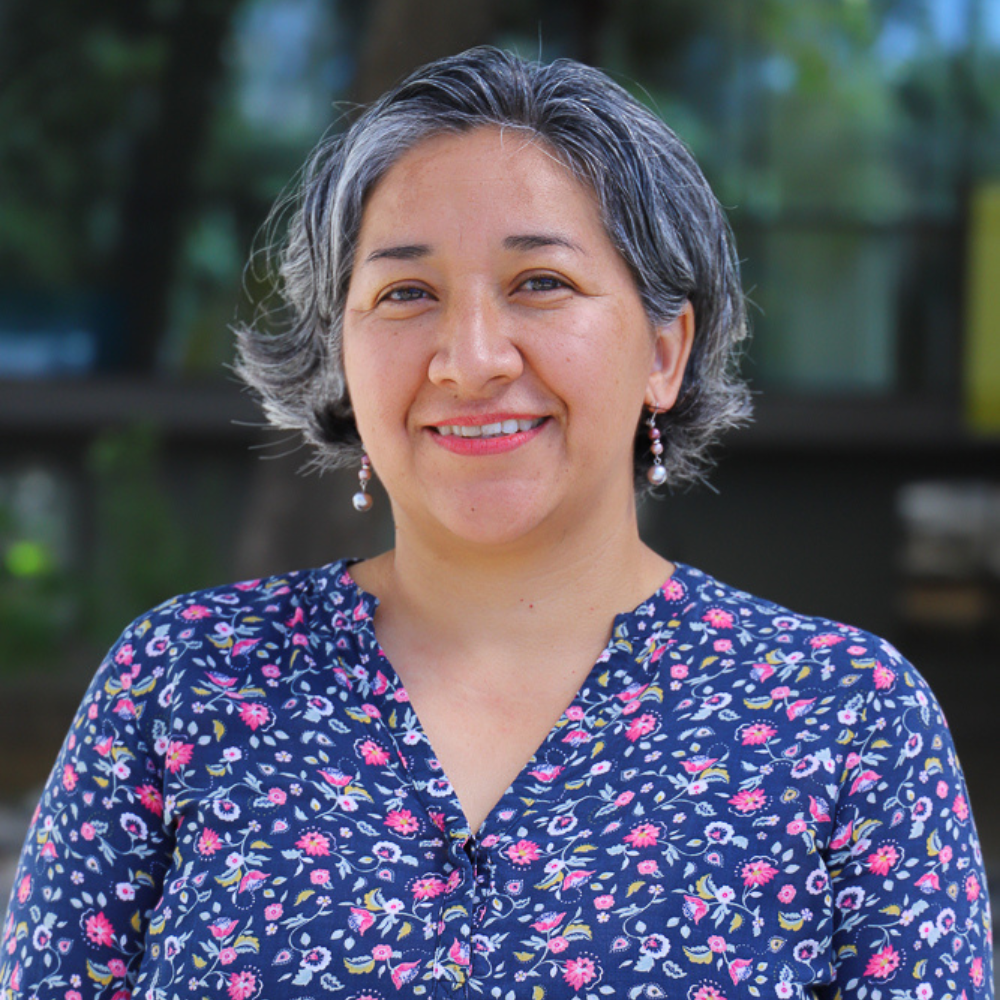
María Teresa Solís Soto ● Profesora Asociada
Grado Académico
PhD. Medical Research-International Health, Center for International Health – Ludwig Maximilians Universität, München, Alemania
Título(s) Profesional
Médico – Cirujano, Universidad Mayor, Real y Pontificia de San Francisco Xavier de Chuquisaca, Bolivia
Descripción
María Teresa Solís Soto estudió medicina en la Universidad Mayor, Real y Pontificia de San Francisco Xavier de Chuquisaca en Bolivia (2005), y posteriormente continuó su formación con maestría en Salud Pública de la Universidad de Chile (2007), maestría en Epidemiología en la Pontificia Universidad Católica de Chile (2008) y Doctorado en Salud Internacional en el Centro para la Salud Internacional de la Universidad Ludwig Maximilians en Munich, Alemania.
En su desarrollo investigativo la Dra. Solís ha incursionado en distintas temáticas dentro de la salud pública, con particular foco en epidemiología de enfermedades crónicas y estudios sobre condiciones de trabajo y salud en áreas urbanas y rurales de Latinoamérica, enfatizando en la importancia de aspectos organizativos, desequilibrio esfuerzo-recompensa, incompatibilidad trabajo-familia así como precariedad laboral que podrían afectar las condiciones de salud, ya sean físicas como mentales.
27
2
2
- REVISTA One Health
- 2026
Human-animal contact and zoonotic exposure from wild and domestic animals: A cross-sectional study in wildlife-rich areas of Bolivia, Chile, and Guatemala
• Caroline Kuhn • Katja Radon • Fabiana Marcela Pérez Morales • Marcia Adler • Carlos Fernando Pinto Navia
- REVISTA Frontiers in Public Health
- 2026
Translation, cultural adaptation, and content validity evaluation of a mental health literacy instrument in Bolivia
• Armando Basagoitia • María Teresa Solís Soto • Martin Romero-Martínez • Jacqueline Elizabeth Alcalde-Rabanal • María Soledad Burrone Colombino
- REVISTA Notas de Enfermería
- 2025
Editorial-2- La investigación en Enfermería como motor de transformación y formación profesional
• Hugo Juanillo-Maluenda • Jessica Soledad Olate Andaur • María Teresa Solís Soto • María Soledad Burrone Colombino
- REVISTA Glob Ment Health (Camb)
- 2025
Trusting in times of the COVID-19 crisis: Workplace and government trust and depressive symptoms among healthcare workers
• Djordje Basic • Diana Czepiel • Hans W. Hoek • Adriana M. Martínez • Clare McCormack
- REVISTA One Health Cases
- 2025
Zoonotic Diseases and Wildlife in Latin America: A Necessity for Implementing the One Health Approach
• María Teresa Solís Soto • Caroline Kuhn • de Carvalho Denise Siqueira • Carlos Roberto Vásquez-Almazán • María Soledad Burrone Colombino
- REVISTA Frontiers in Public Health
- 2024
Community strategies for health promotion and prevention of chronic non-communicable diseases with a focus on physical activity and nutrition: the URO/FOCOS study protocol
• Matías Monsalves Álvarez • Matías Monsalves-Álvarez • María Teresa Solís Soto • María Soledad Burrone Colombino • Alejandro A. Candia
- REVISTA Frontiers in Public Health
- 2024
Musculoskeletal disorders and quality of life for Chilean teachers during the COVID-19 pandemic at the academic year-end
• Gustavo Vega-Fernández • Carlos Gonzalez-Torres • María Teresa Solís Soto • Pablo A. Lizana
- REVISTA BMC Medicine
- 2024
Association of depressive symptoms with incidence and mortality rates of COVID-19 over 2 years among healthcare workers in 20 countries: multi-country serial cross-sectional study
• María Teresa Solís Soto
- REVISTA Cambridge Prisms: Global Mental Health
- 2024
Inequality on the frontline: A multi-country study on gender differences in mental health among healthcare workers during the COVID-19 pandemic
• María Teresa Solís Soto
- REVISTA European Psychiatry
- 2024
Self-stigma, career development and employment in young adults with ASD in Chile.
• María Teresa Solís Soto • María Soledad Burrone
- REVISTA ISEE Conference Abstracts
- 2024
Knowledge, attitudes, and practices towards the risk of zoonotic diseases, wildlife trade and wildlife consumption in Latin America
• Caroline Kuhn • Denise Carvalho • María Soledad Burrone Colombino • Pilar Masilla • Carlos Vasquez Almazan
- REVISTA ISEE Conference Abstracts
- 2024
Knowledge, practices, and awareness regarding antibiotics use in the general population in Chuquisaca, Bolivia.
• María Teresa Solís Soto • Roberto Arce
- REVISTA Revista Habanera de Ciencias Médicas
- 2024
Impacto de la Pandemia Covid-19 en la Prestación de servicios de salud mental en Bolivia
• María Teresa Solís Soto
http://dx.doi.org/https://revhabanera.sld.cu/index.php/rhab/article/view/5616/3365
- REVISTA One Health
- 2024
How studies on zoonotic risks in wildlife implement the one health approach – A systematic review
• Caroline Kuhn • María Soledad Burrone Colombino • María Teresa Solís Soto
- REVISTA Journal of Ethnobiology and Ethnomedicine
- 2023
Stingless bees: uses and management by meliponiculturist women in the Chaco region of Bolivia
• Marcia Adler • Luciana Escóbar-Márquez • María Teresa Solís Soto • Carlos F. Pinto
- REVISTA BMC Women's Health
- 2023
Community and provider perceptions and experiences of cervical cancer screening in Rural Bolivia: a qualitative study
• María Teresa Solís Soto
- REVISTA European Psychiatry
- 2023
Understanding socio-labor inclusion among young adults with autism spectrum and mental disorders: preliminary findings
• María Teresa Solís Soto
- REVISTA Diálogos Pedagógicos
- 2022
Formación pedagógica y su vinculación disciplinar en docentes universitarios del área de salud. Una indagación en universidades de Argentina y Chile
• Marcela Lucchese • María Teresa Solís Soto • Carlos Eduardo Perez Wilson • Lourdes Novella • Cristina Hernandez
- REVISTA European Psychiatry
- 2022
Psychosocial effects of COVID-19 pandemic in Bolivia. Preliminary results
• María Teresa Solís Soto
- REVISTA European Psychiatry
- 2022
Framing the implementation process of a social innovation project for people with severe mental disorders in chile
• María Teresa Solís Soto
- REVISTA Frontiers in Psychiatry
- 2021
Child-Focused Mental Health Interventions for Disasters Recovery: A Rapid Review of Experiences to Inform Return-to-School Strategies After COVID-19
• Gabriela Elizabeth Gómez Vera • Armando Basagoitia • María Soledad Burrone Colombino • Marlene Rivas Muena • María Teresa Solís Soto
- REVISTA Revista de Salud Pública
- 2021
Can mystery patients evaluate the quality of cervical cancer screenings? A pilot study in Bolivia
• Sarah Sullivan • María Teresa Solís Soto • Sahai Burrowes • Armando Basagoitia
- REVISTA Aging
- 2021
Old and new coronaviruses in the elderly
• Francesco Nicoli • Deepak Paudel • María Teresa Solís Soto
- REVISTA PROSPERO. International prospective register of systematic reviews
- 2021
A systematic review of existing measurement of mental health literacy in general population
• María Soledad Burrone Colombino • Lisandro Colantonio • María Teresa Solís Soto • Armando Basaigoitia; • Paola Velasco
http://dx.doi.org/https://www.crd.york.ac.uk/prospero/export_details_pdf.php
- REVISTA European Psychiatry
- 2021
Psychological well-being and employment status during the COVID-19 pandemic
• María Teresa Solís Soto
- REVISTA Revista Médica de Chile
- 2020
Coronavirus e impacto psicosocial en Chile
• María Soledad Burrone Colombino • Gabriel Reginatto • María Teresa Solís Soto • Armando Basagoitia • Matías Irarrázaval
- REVISTA Salud mental
- 2019
Stigma towards people with mental disorders: perceptions of devaluation and discrimination in a sample of Chilean workers
• María Teresa Solís Soto • María Soledad Burrone Colombino • Reginatto • Gabriel • Sapag
- REVISTA Annals of Global Health
- 2017
Leishmaniasis: Who Uses Personal Protection among Military Personnel in Colombia?
• María Teresa Solís Soto
- CIN 250068
- Diciembre 2025 - Diciembre 2030
AdjudicadoAgencia Nacional de Investigación y Desarrollo - ANID
Centro de Investigación e Innovación en Niñez, Adolescencia, Resiliencia y Adversidad (Centro IINARA)
The proposed IINARA Research Center (Investigación e Innovación en Niñez, Adolescencia, Resiliencia y Adversidad) seeks to address the pressing challenge of adversity during childhood and their profound effects on childrens and adolescents development in Chile. By combining cutting-edge research with a strong focus on public policy, capacity building, and community collaboration, the Center aims to generate actionable evidence that fosters resilience and promotes well-being among vulnerable populations that could inform public policy making. The initiative aligns with national priorities, including equitable access to developmental resources, and seeks to build a foundation for sustainable social and economic progress.
Adverse Childhood Experiencesranging from abuse and neglect to socioeconomic adversityhave been linked to long-term mental health issues, behavioral difficulties, and chronic illnesses. In Chile, adverse experiences are particularly prevalent in communities affected by poverty, migration, natural disasters, and systemic inequalities. Children and adolescents from indigenous and migrant populations face unique challenges, including cultural marginalization and reduced access to essential resources. Despite advancements in legal frameworks and public policies aimed at protecting childrens rights, such as the Chile Crece Más (former Chile Crece Contigo) program, significant gaps remain in understanding the local contexts of adversity and developing targeted, evidence-based solutions.
The IINARA Center addresses these gaps through a multidisciplinary approach, integrating fields such as neuroscience, psychology, public health, and social sciences. Its mission is to understand the mechanisms underlying resilience in children and adolescents, using this knowledge to design interventions that protect vulnerable groups from the negative effects of adversity. The Centers objectives include identifying neurobiological, socioemotional, and contextual indicators of vulnerability and resilience; implementing culturally adapted interventions to promote positive developmental trajectories; and informing public policy through evidence-based recommendations.
The research will employ both qualitative methodologies, such as ethnographic studies and semi-structured interviews, and quantitative methodologies, such as the application of instruments that measure cognitive, emotional and social functioning and neuroscientific measures to understand the underlying neural mechanisms of this functioning. It will also include a randomized controlled trial (RCT) to test an intervention developed synergistically in IINARA. A significant focus will be placed on studying diverse cultural contexts that are particular to Chile, such as indigenous and migrant communities, to ensure interventions are inclusive and culturally relevant. All this will allow us to construct a model of cognitive and socioemotional functioning of children exposed to adversity across the territory, helping to guide the identification of biomarkers and predictors of resilience.
The expected impact of the IINARA Center extends across multiple dimensions. In the realm of public policy, the Center will provide robust, evidence-based recommendations for designing and implementing strategies that address childhood adversity. This includes fostering intersectoral collaboration among government agencies, educational institutions, and healthcare providers to create a comprehensive support system for children and adolescents. The Center will also strengthen capacity building by training human resources, including researchers, educators, and policymakers, in interdisciplinary approaches to childhood resilience.
Through its collaborative framework, the Center will promote associativity among academia, public institutions, and civil society organizations. By partnering with international research networks and leveraging global expertise, it will position Chile as a leader in addressing childhood adversity in Latin
America. The dissemination of findings will include outreach to both public and private sectors, ensuring the transfer of knowledge and technologies that benefit diverse stakeholders. By engaging communities directly in the design and implementation of interventions, the Center will foster a participatory approach that enhances the cultural relevance and sustainability of its initiatives.
Ultimately, the IINARA Center aspires to contribute to the development of a more resilient and equitable society by improving developmental outcomes for children and adolescents across Chile. Its work will not only reduce the long-term impact of adversity but also strengthen the countrys social and economic fabric, creating opportunities for future generations to thrive.
Patrocinante
- CIN250054
- Diciembre 2025
AdjudicadoAgencia Nacional de Investigación y Desarrollo - ANID
Centro de Investigación y Acción en Determinación Social y Salud Mental (Centro CIADES)
Mental health conditions and inequities in Chile have risen significantly over recent decades, fueled
by factors such as social exclusion, precarious employment, and environmental challenges. In line with recent
national legislation and policy reforms, including the recently proposed Mental Health Law (2024,) there is
growing recognition that these issues require not only expanded clinical services but also a deeper focus on the
socio-structural determinants of mental health (Breilh, 2023; Lund et al., 2018). The Centro de Investigación y
Acción en Determinación Social y Salud Mental (Center for Research and Action in Social Determination and
Mental Health) or CIADES responds to this urgency by adopting a Latin Americanrooted Social Determination
of Health (SDnH) framework, thereby situating mental health vulnerabilities and risks within broader historical,
economic, and political contexts.
CIADES will work in close collaboration with the Ministry of Social Development and Family (MIDESO)
and the Ministry of Health (MINSAL), to generate robust evidence and policy guidance to address the social
factors that affect and produce mental health problems beyond the individual. This collaboration ensures that
the Centers research advances academic knowledge and informs public-sector strategies and interventions. In
doing so, CIADES seeks to address crucial social factors, including growing economic inequalities, stigma, and
social disintegration, which have direct implications for mental well-being across the lifespan.
Methodologically, CIADES employs a three-by-three matrix that interlinks three social determinants
Social Exclusion and Discrimination, Environmental Factors, and Employmentwith three priority populations:
migrants, older adults, and people with SMI (SMI). This matrix underpins interdisciplinary research lines,
integrating quantitative (e.g., epidemiological surveys, geospatial risk mapping), qualitative (e.g., multimodal
and sensory ethnography, focus groups), and participatory methods. AI-driven analyses, such as natural
language processing for tracking stigma on social media, and economic evaluations that assess intervention
feasibility also feature prominently within the Centers approach.
The significance of this research lies in its focus on macro-structural drivershousing insecurity,
workplace discrimination, socio-environmental conflictsand how they contribute to mental health inequities.
By examining these intersecting challenges, CIADES will move beyond an exclusively clinical perspective to
propose and evaluate, in close collaboration with MIDESO and MINSAL, evidence-based strategies that can be
implemented at multiple levels: local (community-based initiatives), regional (intersectoral policies), and
national (legislative reforms). This holistic orientation positions CIADES as a transformative force in Chiles
public policy on mental health. Once established, the Center expects to identify and integrate other social
determinants and priority groups.
The Centers work will be guided by four Specific Objectives. First, Generate Evidence for Strategic
Interventions and Policy Reforms involves collaborating with MIDESO and MINSAL to systematically examine
socio-structural determinantssuch as discrimination, environmental stressors, and employment
vulnerabilitiesand generate robust evidence to inform and guide future interventions and policy actions.
Second, Methodological Development uses participatory and mixed-methods approaches, emphasizing
community involvement and local knowledge. Third, Capacity Building trains emerging researchers,
policymakers, and practitioners to apply the SDnH framework. Finally, Knowledge Dissemination and Policy
Advocacy entails translating findings into policy briefs, stakeholder workshops, and legislative
recommendations that foreground structural change and equitable access to the exercise of rights, and to
policies, programs and services.
CIADES benefits from a multidisciplinary team involving principal and associate investigators with
extensive track records in mental health, social sciences, environmental studies, and policy work. Their
collective experience includes leading large-scale epidemiological surveys, designing culturally relevant
interventions, and influencing legislative reforms. This breadth enables the Center to integrate cutting-edge
methodssuch as AI-driven stigma detection and geospatial modelingwithin a robust theoretical framework.
By drawing on a wide range of expertise, CIADES is uniquely positioned to undertake a comprehensive agenda
that links empirical research to transformative actions in policy and practice.
CIADES anticipates having a significant impact at the national level by influencing discussions on the
design, implementation, and evaluation of policies related to labor laws, anti-discrimination statutes,
community-oriented service models, environmental regulations, urban transformations, and other public
policies with an impact on mental health. In the short term, the center aims to increase recognition of the
structural factors that affect the mental health of different populations, factors that are often overlooked or
ignored due to the current emphasis on individual-focused approaches. Collaborating with communities,
CIADES will co-design initiatives and pilot projects that serve as scalable case studies. These efforts will lead to
the production of policy briefs and guidelines, offering new frameworks to understand mental health challenges
and proposing context-sensitive interventions. Over the medium to long term, CIADES aims to enhance
intersectoral collaboration to drive structural-level interventions able to reduce mental health disparities
positioning Chile as a regional leader in addressing mental health through a justice-based perspective.
The Center places a strong emphasis on capacity building and human capital formation as integral
components of its mission. Students from undergraduate to postgraduate levels will benefit from
interdisciplinary training in mental health, social epidemiology, qualitative methods, participatory methods and
inclusive research, and implementation and dissemination science. This approach aims to nurture a new
generation of scholars, practitioners, and other stakeholders equipped with the skills and knowledge necessary
to advance the SDnH perspective. Furthermore, partnerships with leading international institutions, such as
Kings College London and Columbia University, will facilitate knowledge exchange, foster global networks, and
enhance CIADES reach and credibility on an international scale.
Through proactive dissemination, outreach, and knowledge transfer, CIADES will engage with both
public and private sectors to drive actionable change. Dissemination channels include academic publications,
open-access materials, community forums, policy dialogues, and strategic communication through social media
to ensure broader public penetration of the center's work.
Regarding academic publications, CIADES is committed to publishing in high-impact international journals while
also recognizing the strategic importance of positioning itself within Latin American and national contexts by
contributing to academic journals in Spanish. Open-access materials will include the development of
conceptual, methodological, and practical tools and guides, which will be freely available for public use.
Community forums will serve both to share research findings and to identify emerging issues among the general
population, while policy dialogues will aim to directly support and influence decision-making processes at the
policy level based on the centers research findings and experiences.
Co-Investigador/a
- 19591
- Julio 2025 - Octubre 2026
En EjecuciónUniversidad de O'Higgins
Explorando la coocurrencia entre autismo y diversidad de género: intersecciones, identidades y transiciones en la adolescencia y la adultez joven.
Si bien, hay algunos estudios que sugieren un vínculo entre la diversidad de Género (DiG) y las personas autistas, esta relación está poco explorada, especialmente en Latinoamérica, existiendo muchas limitaciones en las instrumentos y metodologías utilizados en los diferentes estudios. En ese sentido, el proyecto busca explorar la relación entre los rasgos autistas y diversidad de género en adolescentes jóvenes entre 13 a 21 años, que consultan en centros de salud pública y privada en Chile en diversas regiones de Chile de la zona Norte (ejemplo Iquique), Centro (ejemplo Metropolitana y de OHiggins) y Sur (Los Lagos). Para esto, se implementará un estudio transversal, descriptivo y exploratorio con enfoque mixto (cuantitativo y cualitativo).
Responsable Alterno
- Enero 2025 - Diciembre 2029
Adjudicado
One Health Training and Research Global Network (OH-TARGET) – 2nd. phase
The One Health Training and Research Global Network (OH-TARGET) aims to improve global health
conditions through an integrated One Health approach, which recognizes the interconnectedness of human,
animal, and environmental health. This approach is crucial for addressing complex health challenges, as it
fosters a comprehensive understanding and systemic collaborative effort across various sectors. Aligned with
the priorities of German development cooperation, OH-TARGET specifically addresses global pandemic
response, climate protection, health and education, gender equality, and digitalization. Building on the
insights gained from the 2020-2024 Exceed funding period, OH-TARGET will focus on the consolidation and
long-term sustainability of its activities. The project will employ a holistic and participatory approach to
develop context-specific solutions in education, training, and research. By fostering interdisciplinary
collaboration, OH-TARGET enhances research competence, promotes sustainable development, and
optimizes the health of people, animals, and ecosystems. The One Health approach not only provides a
framework for addressing immediate health challenges but also contributes to long-term resilience and
sustainability in global health, ultimately aiming to create healthier communities worldwide.
Co-Investigador/a
- Abril 2024 - Diciembre 2028
En Ejecución
Los procesos de enseñanza, integración curricular, evaluación y acreditación en salud en grado y posgrado y su vinculación con la trayectoria académica y actividad docente
Analizar los procesos de enseñanza, integración curricular, evaluación y acreditación en carreras del área de salud en grado y posgrado y su relación con la trayectoria académica de los estudiantes y la actividad docente en Argentina y Chile.
Patrocinante
- ID: 955576 - Resolución: 5461-2023
- Diciembre 2023 - Enero 2025
En Ejecución
Programa de Participación Inclusiva Territorial 2023 en la Macrozona Austral. Desarrollo de herramientas para la implementación.
Convenio de transferencia Programa Participación Inclusiva Territorial, año 2023, entre Servicio Nacional de la Discapacidad y Universidad de OHiggins. "Programa de participación inclusiva en la Macrozona Austral: desarrollo de herramientas para la implementación". El presente proyecto tiene el objetivo de fortalecer el proceso de inclusión y participación de las organizaciones de y para personas con discapacidad, cuidadoras/es y sus familiares, mediante la entrega de herramientas prácticas a las organizaciones, la promoción de la asociatividad y el posicionamiento de la temática con los actores relevantes en el territorio de la Macrozona Austral. Para esto propone alcanzar su objetivo general y sus objetivos específicos a través de aplicación de métodos mixtos multicéntricos e intervenciones de base comunitaria, estructurados en cuatro líneas de trabajo principales, 1) fortalecimiento de las organizaciones en el territorio a partir de la realización de un catastro regional y de diagnósticos participativos, 2) escuela de gestión social y territorial, 3) actividades de difusión y 4) sistematización y evaluación desde un enfoque de ciencias de la implementación.
Responsable Alterno
- ID: 950106 Resolución: 5457-2023
- Diciembre 2023 - Diciembre 2024
En Ejecución
Proyecto de fortalecimiento en capacitación para el Programa Tránsito a la vida independiente.
Capacitar en vida independiente, autonomía y perspectivas de derechos a equipos profesionales, personas con discapacidad, cuidadoras/es y servicios de apoyo relacionados al programa Tránsito a la Vida Independiente. La capacitación se realizará desde un enfoque de derechos, autonomía, autodeterminación e independencia, participación social y vida independiente.
Responsable Alterno
- ID: 948796 - Resolución: 5395-2023
- Diciembre 2023 - Diciembre 2024
En Ejecución
Transferencia de Innovación Social para el proceso de Instalación de Incubadoras de Cooperativas Inclusivas. Fortalecimiento de la Red de Incubadoras de Cooperativas Inclusivas
Convenio de transferencia para el servicios de asesoría y acompañamiento en la Instalación de Incubadoras de Cooperativas Inclusivas a Municipalidades adjudicatarias de la Modalidad Continuidad de la Estrategia de Desarrollo Local Inclusivo en las regiones de Atacama, de los Ríos, de Magallanes y de la Antártica Chilena; Valparaíso; Biobío, Maule y Metropolitana de Santiago.
El presente proyecto de transferencia de innovación social, permite entregar soporte técnico y acompañar los procesos de instalación de Incubadoras de Cooperativas Inclusivas para promover el ejercicio del derecho al trabajo de las personas con discapacidad a través del desarrollo de un programa de asesoría, capacitación y acompañamiento que les permita su inserción en el mercado laboral de manera autónoma y sustentable. Lo anterior se realiza a través de un modelo de trabajo integral y transversal, que desarrolle estrategias flexibles de formación, asesoría y acompañamiento para promover pertinencia local en la promoción del reconocimiento por parte de actores locales, de espacios de
desarrollo productivo en el marco de la economía social e inclusión de las personas con discapacidad.
Responsable Alterno
- FIC IDI 40048442-0
- Mayo 2023 - Mayo 2026
En EjecuciónGobierno Regional - GORE
Transferencia de innovación social: inclusión y turismo
Consolidar y fortalecer una nueva red de nodos de innovación social que promueva la inclusión socio laboral en personas con alguna discapacidad, personas mayores, mujeres y personas en situación de vulnerabilidad enfocada en los sectores económicos priorizados en la Estrategia de Desarrollo Regional 2011-2020 (EDRE) y de innovación, priorizando el sector turístico, y agroalimentario y la puesta en valor de la identidad cultural.
Responsable Alterno
- Febrero 2023 - Julio 2024
En Ejecución
ANTIBIOtic RESidues in Food: a comparative analysis in Bolivia, Italy, Ghana, and Nepal
Antimicrobial resistance is a global phenomenon aggravated in recent decades by the inappropriate use of antimicrobials in human and veterinary medicine, the lack of prevention and control measures for infections associated with health care, and the limited development of new antimicrobials. It causes an increase in mortality, morbidity, and health spending. In this sense, the irrational use of antimicrobials in food-producing animals can reduce the effectiveness of those antibiotics in treating animal and human diseases. It also represents an additional risk for antimicrobial resistance by transferring antibiotics to food for human consumption and generating a new source of exposure. The residual antibiotics in food have been related to some adverse effects on human health, including allergic reactions, disruption of digestive system function, and chronic toxic effects from prolonged low-level exposure. It also represents a risk for the animals by jeopardizing the effectiveness of the necessary treatments.
Considering that, the project seeks to generate evidence regarding progress at the local level in regulatory issues and regarding the presence of antibiotics in food to raise awareness about the proper use of antibiotics in animals and humans and promote good practices
Investigador/a Responsable
- Febrero 2023 - Julio 2024
En Ejecución
ECOH: Environment Care with a One Health approach – Water
Water is an irreplaceable resource for developing socioeconomic activities and maintaining life on the planet. According to projections, water scarcity will increase, especially in those countries vulnerable to the effects of climate change and accelerated population growth. The negative impacts of the water deficit are already visible in some regions of the planet.
Through the ECOH-WATER project, we will develop capacities for the access and use of rainwater in educational centers in Guatemala and Bolivia for sustainable consumption, adapting to the impacts generated by climate change through strategies based on local needs. To do this, we will first diagnose the areas at risk of drought using Geographic Information Systems (GIS) to prioritize interventions. In the selected areas, we will develop an Action Research study with a strong participatory component to involve communities in implementing a rainwater harvesting system. Additionally, we will implement educational strategies for developing skills in seeking rational and sustainable water use. The project will establish alliances with local actors for the project's sustainability.
The search for strategies to access quality water for human, animal, and environmental consumption is a worldwide priority. It must involve the communities, raise awareness about natural resources and risk behaviors, and work collaboratively with decision-makers. On the other hand, the transdisciplinary work proposed in this project will allow the search for solutions with an integral vision. On the other hand, this project highlights the south-south collaboration to generate learning, enhance local resources, and move toward our region's sustainable development.
Co-Investigador/a
- Resolución exenta N° 2848-2022
- Noviembre 2022 - Diciembre 2023
Finalizado
Servicios de Asesoría y Acompañamiento en la Instalación de Incubadoras de Cooperativas Inclusivas a Municipalidades adjudicatarias de la Modalidad Continuidad de la Estrategia de Desarrollo Local Inclusivo
Convenio de Transferencia Directa de recursos para la Ejecución de Servicios de Asesoría y Acompañamiento en la Instalación de Incubadoras de Cooperativas Inclusivas a Municipalidades adjudicatarias de la Modalidad Continuidad de la Estrategia de Desarrollo Local Inclusivo.
Coordinación de la Red de Cooperativas Inclusivas de Chile, REFICOOP.
Responsable Alterno
- Septiembre 2022 - Septiembre 2024
FinalizadoUniversidad de O'Higgins
Diseño óptimo de red de monitoreo de calidad de aire para medición de impacto en salud respiratoria
La contaminación ambiental extradomiciliaria es un importante problema de salud ambiental ya que es responsable del 7,6% de la mortalidad anual total y de la pérdida de 103,1 millones de años de vida saludable. Entre algunos de los efectos adversos que se han reportado para el Material Particulado, uno de los principales contaminantes, se encuentran aumento en la mortalidad, morbilidad, muerte prematura, enfermedades cardiovasculares y respiratorias, cáncer de pulmón, impacto adverso en la actividad del sistema nervioso central que resulta en deterioro cognitivo, y efectos nocivos sobre el desarrollo fetal y el embarazo, afectando mayormente a grupos más vulnerables. Si bien, a nivel global, se cuentan con estrategias y criterios de monitoreo de calidad del aire para identificar la concentración de los contaminantes relacionados con la salud, es posible que estos no permitan analizar con mayor profundidad las diferencias en la distribución geográfica de los contaminantes y su impacto en poblaciones específicas.
En ese sentido, el presente proyecto tiene el objetivo de establecer una metodología para la generación de un mapa confiable de la contaminación del aire a partir de una red de monitoreo, el cual permita correlacionar de manera más precisa a través de modelos de interpolación, la contaminación del aire con los problemas de salud respiratorio de las personas del sector considerado, hacer una validación de la metodología propuesta con un programa piloto en un área a determinar de la comuna de Rancagua y realizar divulgación de resultados en colegios y jardines de la región con la finalidad de generar un debate más amplio y democrático sobre tanto de prácticas personales así como de las nuevas políticas relacionadas con la contaminación del aire.
Para esto se propone emplear diversos métodos propios de cada disciplina. Primeramente, se estimará un radio máximo de cobertura de un sensor dentro del cual se garantice cierto grado de confianza (Variograma empírico) respecto de los valores entregados por el sensor como promedios representativos, para así determinar el tamaño/forma del área geográfica total donde instalar la red de sensores (Obj 1). Con esta información se determinará una configuración inicial de los sensores en un área geográfica determinada considerando la capacidad de la red, usando como ubicación potencial establecimientos educativos. Luego se hará un análisis estadístico con los datos proporcionados por la red y por sensores móviles para determinar una nueva configuración que maximice la confianza de la nueva interpolación. Una vez instalados los sensores y a partir de los datos entregados por ellos se escogerá una nueva configuración a través de un análisis estadístico de covarianzas (Obj 2). Además, se realizará un estudio ecológico para correlacionar las mediciones de contaminación de aire y algunos indicadores de salud respiratoria y atención de salud considerando distintos puntos geográficos de la sexta región (Obj 3). Finalmente, el proyecto desarrollará un plan de educación ambiental para concientizar sobre el tema y favorecer el cambio de comportamientos a nivel individual y comunitario (Obj 4).
Con este proyecto se espera abordar con una visión interdisciplinaria un tema que es de especial preocupación en la región, como es la contaminación ambiental, fortaleciendo esta línea de investigación tanto en el instituto de ingeniería como en el de Salud, involucrando de forma activa también a estudiantes de pregrado.
Co-Investigador/a
- URO2295
- Agosto 2022 - Enero 2025
FinalizadoMinisterio de Educación
Fortalecimiento de estrategias comunitarias de promoción de la salud, prevención y tratamiento temprano y oportuno de enfermedades crónicas no transmisibles con foco en actividad física y nutrición saludable
URO 2295. El Ministerio de Educación a través del Departamento de Fortalecimiento Institucional de la Subsecretaria de Educación Superior financia proyectos que permitan contribuir al desarrollo social y territorial, a nivel local y/o regional, a través de la generación compartida de conocimientos, oportunidades de desarrollo y/o beneficios entre las instituciones de educación superior y los actores sociales, tanto públicos como privados. En este contexto, este proyecto busca generar estrategias eficaces con la comunidad y distintos actores sociales de la región y basadas en la evidencia que aborden el aumento de la prevalencia de enfermedades crónicas no transmisibles a través de la mejora de los patrones de actividad física y alimentarios de la población regional.
Objetivo general: Fortalecer las estrategias comunitarias de promoción de la salud, prevención y tratamiento temprano y oportuno de enfermedades crónicas no transmisibles en la Región de OHiggins con foco en actividad física y nutrición saludable
Co-Investigador/a
- Octubre 2021 - Septiembre 2024
Finalizado
Knowledge, attitudes, and practices towards the risk of zoonotic diseases, wildlife trade and wildlife consumption in Latin America
En el transcurso de este proyecto se recopila información que luego se someterá a analisis respecto a lo conocimientos, actitudes y prácticas frente al riesgo de enfermedades zoonóticas, comercio y consumo de vida silvestre en distintos paises participantes de Latino America.
Ministerio Federal Alemán para la Colaboración Económica y el Desarrollo (BMZ) a través de la Alianza Internacional contra los Riesgos Sanitarios en el Comercio de Vida Silvestre y coordinado por la GIZ (Gesellschaft für Internationale Zusammenarbeit) con un importe total de 299.700.
Investigador/a Responsable
- MSM2021003
- Julio 2021 - Julio 2023
FinalizadoUniversidad de O'Higgins
Gestión Inteligente de Recursos Hídricos para la Agricultura
En este proyecto, se busca general nuevas tecnologías que permitan mejorar el manejo de recursos hídricos en la sexta región.
Director de línea "Gestión de Riego Intrapredial con Inteligencia Artificial"
Co-Investigador/a
- Julio 2021 - Octubre 2022
FinalizadoUniversidad de O'Higgins
Diseño de una propuesta de educación sexual integral en niños, niñas y niñes de 4 y 5 años.
La sexualidad según la OMS, (OMS, 2018) es definida como un aspecto central del ser humano, dentro de las dimensiones que abarca se encuentra, la reproducción, placer y/o erotismo, vínculos afectivos y género, a parte del carácter inherente al ser humano, se destaca que se encuentra presente durante toda la vida, por esta razón se considera necesario que las estrategias para erradicar brechas de género deben iniciarse en los primeros años de vida.
Hasta aquí la mayor parte de los estudios de la temática se relacionan con población de adolescentes y/o con la visión de cuidadores/as poseen del desarrollo sexual afectivo de sus niños, niñas y niñes, sin embargo, existe incertidumbre en relación a lo que saben actualmente niños, niñas y niñes en relación a sexualidad y cuales han sido sus principales fuentes de información. En este contexto, se pretende diseñar una propuesta de educación sexual integral en niños, niñas y niñes de 4 y 5.
Co-Investigador/a
- Mayo 2021 - Octubre 2022
Finalizado
ECOH: Environment Care with a One Health approach
The environment can be described as indispensable as it houses all life on earth, and evidence suggests that activities in interaction with nature not only provide physical and psychological benefits but also socially and economically.
Nonetheless, we are currently confronted with many environmental challenges, including climate change, loss of biodiversity and degradation of natural habitats, which have adverse health outcomes for animals, humans and our shared environment. Furthermore, regarding the COVID-19 pandemic, additional threats have emerged such as an increase in the use and disposal of plastic products for medical and non-medical applications and the amount of packaging used to deliver food and groceries to residences, leading to significant challenges in handling solid and hazardous medical wastes. This could become a crucial concern in the medium or long term, whilst aggravating the already existing issues, especially in countries with inadequate waste management systems.
Recognizing this, environmental education has become more relevant than ever in ensuring a sustainable future by promoting responsible decision-making at the individual, institutional and community levels. The strengthening of environmental literacy through formal and informal educational strategies at different stages of the life course, considering day-to-day situations, will eventually allow for the development of capacities in the population, thereby conserving our shared environment.
Project aim:
The project's main objective, therefore, is to empower the community for environmental care through educational strategies based on local needs in Guatemala and Bolivia.
This is to be achieved using a Participatory Action Research (PAR) approach by forming a multidisciplinary and intersectoral working group that includes professionals from the academy and representatives from diverse sectors like education, work, transportation, legislators and civil society. The project also follows a spiral approach, focusing on a problem and continuing with planning, action, observation and critical reflection, giving rise to a new progressive cycle. To better disseminate the project and population adherence, a digital platform app is to be designed to make available all the education material and specific guides that support this process.
Ultimately, creating awareness and educating, based on evidence, about our actions' impact will allow a better co-existence and promote sustainable development, sustainable use and care of natural resources when considering practices in rural and urban communities
Co-Investigador/a
- Mayo 2021 - Octubre 2022
Finalizado
Stingless BEEs as an ecological, Social capital and public health richness
Stingless bees (Apidae: Meliponini) play a substantial role in the ecology, economy, and culture of many communities, especially in South America. They act as the main pollinators for many native florae and cultivated tropical plants. Their products such as honey, pollen, propolis and cerumen have also been used as a source of income for generations while creating an imprint on the culture of native communities.
Nevertheless, in recent decades, stingless bees currently face several environmental threats including the extensive deforestation of native forests, accelerated expansion of urban areas, excessive use of pesticides and fertilizers, agriculture intensification and the introduction/spread of exotic competing bee species.
In this context, meliponiculture i.e., keeping stingless bees for their products is becoming more important for research not only as an optimal strategy for the conservation of bees and their environment but also for their economic value. In general, meliponiculture also promotes a variety of good environmental practices from different viewpoints in the society, maintains the traditional knowledge of native beekeeping and generates a link with innovation and scientific development. In Bolivia, meliponiculture remains an incipient activity although many indigenous communities have an ancient relationship with stingless bees. In Guatemala, the Maya tribe have also practiced meliponiculture for many years. Nevertheless, traditional knowledge is getting lost over time which must be recovered and supported by new techniques to generate a successful practice of beekeeping.
Project aim:
Considering this, the project, therefore, aims to optimize the sustainable development of meliponiculture. This is to be achieved by documenting its traditional use in health while promoting good practices and commercialization to have a positive, direct impact over ecosystems as well as human health in cultural landscapes in indigenous communities in Bolivia and Guatemala.
For this, an interdisciplinary methodology is to be designed, which consists of a research component and educational interventions at the various processes of the production chain of meliponiculture: from the producers to consumers. Ultimately, the SBEES project is relevant, taking into account the One Health vision, as it seeks to promote a sustainable interaction between stingless bees, humans and the environment.
Co-Investigador/a
- ID 757-69-LE20
- Noviembre 2020 - Mayo 2021
Finalizado
Estudio sobre acceso a información de salud mental en la población general
La presente propuesta tiene como objetivo adaptar y validar un instrumento de evaluación del grado de conocimiento de la población general sobre salud mental y de sus actitudes en torno a la búsqueda de ayuda, en el marco del concepto de literacidad en salud mental y aplicar este instrumento a una muestra predeterminada que permita generar una línea base sobre la cual planificar acciones y evaluar avances en el tiempo. Esto responde a la licitación pública hecha por el Ministerio de Salud de Chile: Estudio sobre acceso a información de salud mental en la población general Licitación ID 757-69-LE20.
Responsable Alterno
- Abril 2020 - Diciembre 2021
En Ejecución
ESTUDIO TIARA: impacto psico-social del Coronavirus (COVID-19) en Argentina, Chile y Bolivia.
Este proyecto regional de estudio psicosocial se conforma ante la crisis global por enfermedad de Coronavirus 2019 (COVID-19), la cual fue declarada pandemia global, el 11 de marzo pasado, por la OMS1. El objetivo del Proyecto es evaluar el impacto social y en salud mental que tiene la enfermedad en Argentina, Chile y Bolivia; como así también generar evidencia para la toma de decisiones en políticas de salud y sociales de cada país.
El estudio TIARA, estudio base del presente proyecto multicéntrico, desarrollado e implementado por Silvina Arrossi y Silvina Ramos del CEDES (unidad asociada a CONICET), Argentina y otros investigadores del mismo país, se amplía para generar un proyecto multicéntrico que reúne el esfuerzo de colaboración de instituciones e investigadores de tres países, Argentina, Bolivia y Chile.
En Chile y Bolivia, está dirigido por equipos locales que reúnen una vasta experiencia en estudios sociales, psiquiatría, salud mental global y salud pública. El estudio cuenta con el apoyo de co-investigadores y cuenta con el apoyo técnico del Departamento de Salud Mental del Ministerio de Salud de Chile, lo que beneficia el efecto traslacional del conocimiento que se genere.
Objetivos de Investigación
Este estudio se propone analizar el impacto psico-social y en la vida cotidiana ante las medidas implementadas frente al COVID-19 en Chile y Bolivia, así como también analizar las estrategias que está implementando la población para sobrellevar estas medidas, tomando como base las recomendaciones de organismos de salud mental nacionales e internacionales. Por otra parte, se recabará información acerca de la posible percepción de los aspectos positivos de las medidas de confinamiento, de manera que se pueda hacer un seguimiento en el tiempo de la aceptabilidad e impacto que tienen en las personas y los hogares.
Responsable Alterno
- Resolución exenta N° 2626, 16 de diciembre de 2019
- Diciembre 2019 - Junio 2021
Finalizado
Capacitación Nacional para equipos de trabajo con personas en situación de calle con discapacidad.
"Convocatoria Capacitación Nacional para equipos de trabajo con personas en situación de
calle con discapacidad" del Programa Tránsito a la Vida Independiente, 2019.
El presente proyecto fue adjudicado tras proceso de licitación publica nacional. Resolución exenta N° 2626, 16 de diciembre de 2019
Para la ejecución de esta propuesta, nuestro equipo propuso una modalidad presencial en las 16 regiones del país con una duración de 8 horas cronológicas. El enfoque previsto está basado en una metodología de aprendizaje constructivista y dialogante, con el fin de capacitar y fortalecer significativamente a los equipos que trabajan en el Programa de Vida Independiente.
A través de este trabajo se capacitó desde la Universidad de O´Higgins a todos los equipos del país de cada una de las regiones. Permitiendo vinculación activa con el territorio y fortaleciendo redes para el trabajo territorial de mi línea de investigación.
Co-Investigador/a
- IDI 40008879-0
- Marzo 2019 - Marzo 2022
FinalizadoGobierno Regional - GORE
Transferencia de innovación social en el sector turístico: Modelo de inclusión sociolaboral.
Implementar nodos de innovación social para la inserción de jóvenes con discapacidad por trastornos de salud mental severo, para que puedan contribuir en el aumento de la competitividad y responsabilidad social en empresas del sector turístico de las comunas de Pichilemu, San Fernando, Rancagua, a través de un enfoque metodológico de recuperación basado en promoción del desarrollo local, colaborativamente con adultos mayores y mujeres con alto nivel de vulnerabilidad social, durante los 36 meses de la iniciativa.
Responsable Alterno
- Octubre 2018 - Septiembre 2021
FinalizadoMinisterio de Educación
Articulando la vinculación entre la Universidad de OHiggins y Establecimientos Educacionales Municipales de la VI Región, a través de un estudio de salud mental y resultados académicos en niños del primer ciclo de Enseñanza Básica, y de trabajo ter
Objetivo general:
1. Fortalecer la política institucional de vinculación con el medio de la UOH, a través de una
experiencia piloto de vinculación con el medio escolar, utilizando como medio una investigación
sobre salud mental y rendimiento académico en estudiantes de primer ciclo de Enseñanza
Básica, a través de una estrategia de colaboración entre actores educacionales, comunitarios y
académicos, bajo una perspectiva de trabajo territorial.
Objetivos específicos:
1. Fortalecer la política institucional de vinculación con el medio de la UOH, a través del desarrollo
de una experiencia piloto que articula el trabajo de actores educacionales, comunitarios y
académicos, en contextos territoriales específicos.
2. Desarrollar una investigación que potencie la estrategia de vinculación con el medio a través de
un problema relevante y sentido por la comunidad, cuya finalidad será identificar la presencia
de un problema de salud mental en estudiantes del primer ciclo de la Enseñanza Básica de
establecimientos municipales de la Región de OHiggins y establecer su asociación con el
rendimiento académico de estos.
Co-Investigador/a
- Junio 2018 - Diciembre 2022
Finalizado
Labor insertion, working conditions, and health in recently graduated health professionals: A cohort study
During the last decades, employment conditions has changed in an important way. Although these changes have included more flexible employment relations, it has also included higher levels of job insecurity and lack of social security. This situation has affected all groups of workers, including those in stable jobs(2) and people working in the health sector. Those changes in the labour market have particularly affected young professionals, in this sense, the current rate of youth unemployment is one of the highest reported in recent year, or the conditions in which they work are poor or informal, often working in jobs below their professional training, generating a major concern for the professional future. This situation could generate also additional stress at this stage of life, as well as frustration and demotivation.
Little information is available about working conditions and labour insertion process in young health professionals and the association with health conditions. For this, Maria Teresa Solis Soto (Alumna, Bolivia) in coordination with Leonardo Briceño (Universidad del Rosario, Colombia), and Ricardo Oyarzun (Universidad Austral de Chile) carried out a study (baseline) to evaluate the relationship between work experiences, expectations and individual characteristics with physical and mental health in newly graduated young professionals.
This study, also has the support of Universidade Federal do Paraná-Brazil, Universidad San Francisco Xavier de Chuquisaca- Bolivia, CIH Alumni Network, and Master in International Occupational Safety and Health. In the universities included, all students in the last year were invited to participate. For baseline study, we collected information about socioeconomic information and, lifestyle, Job expectations, History of previous working conditions, psychosocial factors (pre-employment), academic Information, health conditions.
The study ask for ethical approval in each country. International ethical research guidelines were considered at all research steps. A written informed consent form as well as a letter explaining the importance of the study were to the questionnaire. Confidentiality and voluntary participation was respected. Preliminary results were disseminated to inform the local universities. This information will be useful for universities and labour organizations in order to implement strategies that fit with the current and future labour market conditions taking care of the human resource for health.
Investigador/a Responsable
- 1895
- Abril 2018 - Abril 2021
FinalizadoMinisterio de Educación
Salud mental y resultados académicos en niños del primer ciclo de Enseñanza Básica de la región de OHiggins: mejorando logros educacionales en establecimientos municipales
La construcción de un modelo predictivo, que podría dar origen a una herramienta de screening para ayudar al profesor a identificar un problema de salud mental en el aula y solicitar ayuda a los equipos de apoyo psico-pedagógico dentro del establecimiento. De igual forma, este proyecto podría dar origen a una cohorte de estudiantes que permita profundizar en el estudio de la relación salud mental resultados académicos, con productos científicos (conocimiento) y tecnológicos de innovación, que apoyen el trabajo de los docentes y sus establecimientos.
Co-Investigador/a
- Enero 2018 - Diciembre 2018
Finalizado
Conocimientos, actitudes y prácticas relacionadas con el cáncer cervical en Monteagudo rural, Bolivia.
Conocimientos, actitudes y prácticas relacionadas con el cáncer cervical en Monteagudo rural, Bolivia.
Responsable Alterno
- Experiencias en ciberpsicología: hacia una nueva era de la psicología
- 2022
Alfabetización digital de TICs en personas con trastornos mentales severos
ISBN
978-607-30-5647-2
Páginas
Désde la página 101, hasta la página 112
Idioma
Español
Editorial
Universidad Nacional Autónoma de México; Facultad de Estudios Superiores Zaragoza
Editores
Bertha Ramos del Río; Juan José Martí Noguera
Autores
María Soledad Burrone Colombino, María Teresa Solís Soto, Marcela Lucchese, Tamara Arratia, Rubén Alvarado
- Salud Mental Comunitaria
- 2020
Empresas de innovación social con personas con trastornos mentales severos en el sector turismo
ISBN
978-987-46148-4-1
Páginas
Désde la página 183, hasta la página 187
Idioma
Español
Editorial
Rawson Universidad del Chubut
Editores
2a Conferencia Regional de Salud Mental Comunitaria, Marcela Inés Freytes Frey (comp.)
Autores
Gabriel Reginatto, María Teresa Solís Soto, Camila Marta Oda Montecinos, Gonzalo Benjamín Terreros Hernández, Carla Gutierrez, Ignacio Silva Neira, Jessica Soledad Olate Andur, Erika Marcia López Campos, Carlos Roberto Cáceres Erices, Marcela Inés Freytes Frey, Rubén Alvarado, María Soledad Burrone Colombino
- 2022
Cuentos para trabajar Educación Sexual Integral
Descripción
Tipo
Cuentos
Autores
Bárbara Fernanda Díaz Farías, Isidora Fuentes., Lucía Zapata., Daniela Sofía Jadue Roa, Thiare Galdamez Hernandez, Pamela Alejandra Sepúlveda Jiménez, María José González., María Teresa Solís Soto, María Soledad Burrone Colombino
- https://drive.google.com/file/d/1l_mW84pYiSt1Aue0xxaZtgPF1LFS8XCl/view
- 2020
Impacto Psicosocial de COVID-19 Chile. Primer Reporte de Resultados
Descripción
Tipo
Primer reporte de resultados: Impacto psicosocial de Covid-19 Chile
Autores
María Soledad Burrone Colombino, María Teresa Solís Soto, Silvina Arrosi, Silvina Ramos, Danay Ahumada, Rubén Alvarado, Catalina Barrientos Cabezas, Armando Basagoitia, Matías Irrarázaval, María Irene Leniz Eguiguren, Fabiola Andrea Molina Núñez, Gabriel Reginatto, Paulina Paz Rincón, Daniela Valdés, Paulina Valenzuela Silva, Loreto Villagrán Valenzuela, Thamara Tapia
Mail de contacto